Artificial intelligence is no longer a future concept. It is already embedded in daily business operations, from recommendation engines to fraud detection systems. As a result, learners are actively seeking AI courses online to build relevant skills and stay competitive in the job market.
The rise of digital learning platforms has made high-quality education more accessible than ever. With structured content, hands-on projects, and expert instructors, AI courses online provide a scalable pathway for anyone looking to enter or advance in the AI field.
Top AI Courses Online to Master Artificial Intelligence
Selecting the right course is essential for building both foundational knowledge and advanced expertise. Below are some of the most impactful AI courses online, analyzed in depth based on curriculum, learning outcomes, and real-world relevance.
1. Machine Learning Specialization
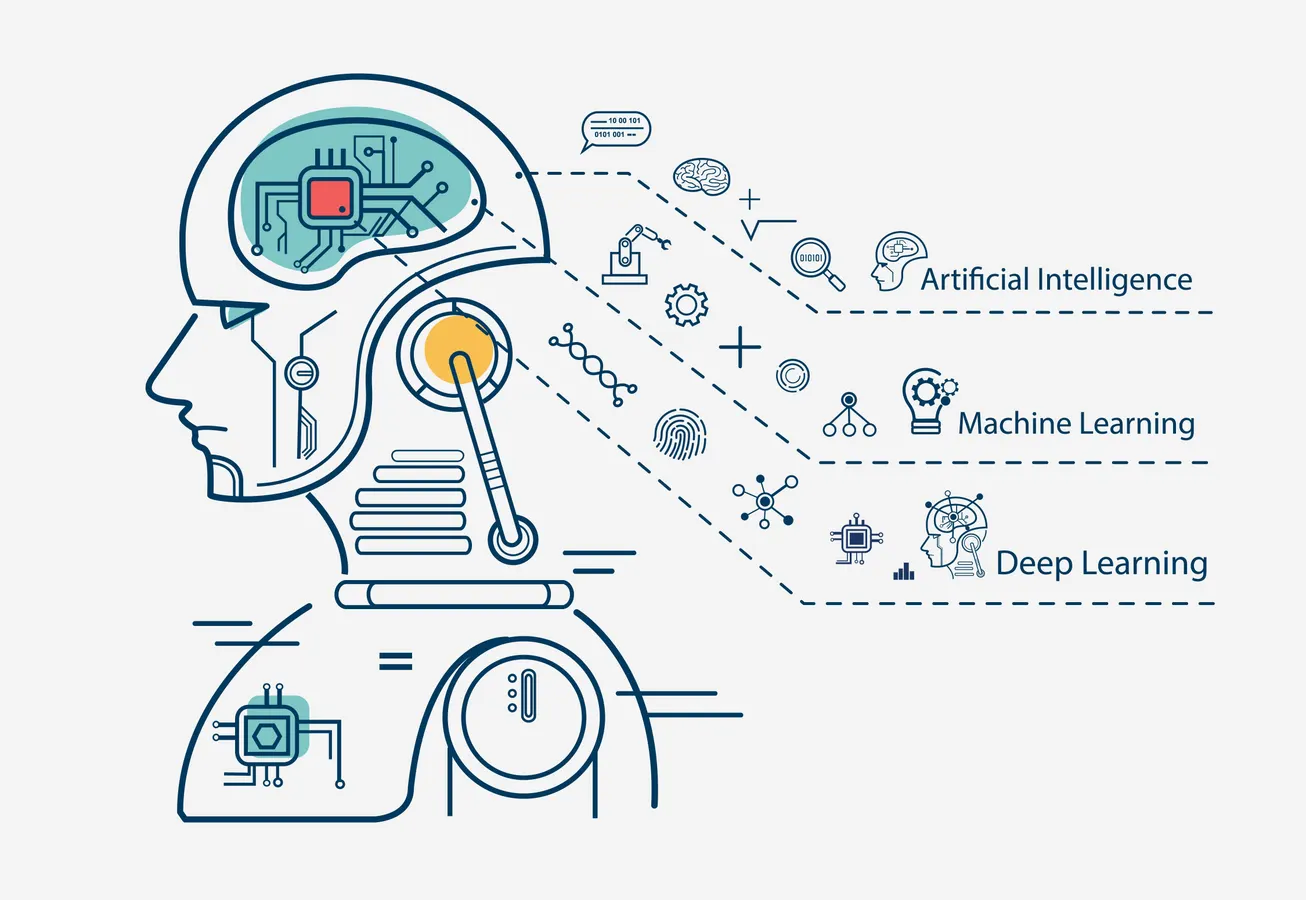
This course is widely recognized for its structured approach to machine learning fundamentals. It typically covers supervised learning, unsupervised learning, and practical model implementation using programming tools.
Learners gain hands-on experience building predictive models and evaluating their performance. By completing this type of AI courses online, individuals can work on real-world problems such as demand forecasting, customer segmentation, and recommendation systems.
A common application is in e-commerce, where machine learning models predict user preferences. This enables personalized product recommendations that improve customer engagement and sales performance.
2. Deep Learning Specialization
Deep learning courses focus on neural networks, convolutional networks, and sequence models. These topics are essential for advanced AI applications such as image recognition and natural language processing.
Through practical assignments, learners build models that can classify images, recognize speech, and generate text. These AI courses online are particularly valuable for those aiming to work in cutting-edge AI fields.
A real-world use case is facial recognition technology. Deep learning models analyze visual data to identify individuals, which is widely used in security systems and mobile devices.
3. AI for Everyone
This course is designed for non-technical learners who want to understand AI from a strategic perspective. It focuses on business applications, ethical considerations, and implementation strategies.
Instead of coding, learners explore how AI can be integrated into organizational processes. These AI courses online are ideal for managers and decision-makers.
For example, a marketing manager can use AI insights to optimize campaigns and improve customer targeting. This demonstrates how AI knowledge can drive business value without requiring technical expertise.
4. Applied Data Science with AI
This type of course combines data science and AI techniques to solve practical problems. Learners work with real datasets and develop models that generate actionable insights.
The curriculum often includes data cleaning, feature engineering, and model deployment. These AI courses online prepare learners for roles that require both analytical and technical skills.
A practical application is in finance, where data science models analyze transaction data to detect fraud. This improves security and reduces financial losses.
5. Natural Language Processing Courses
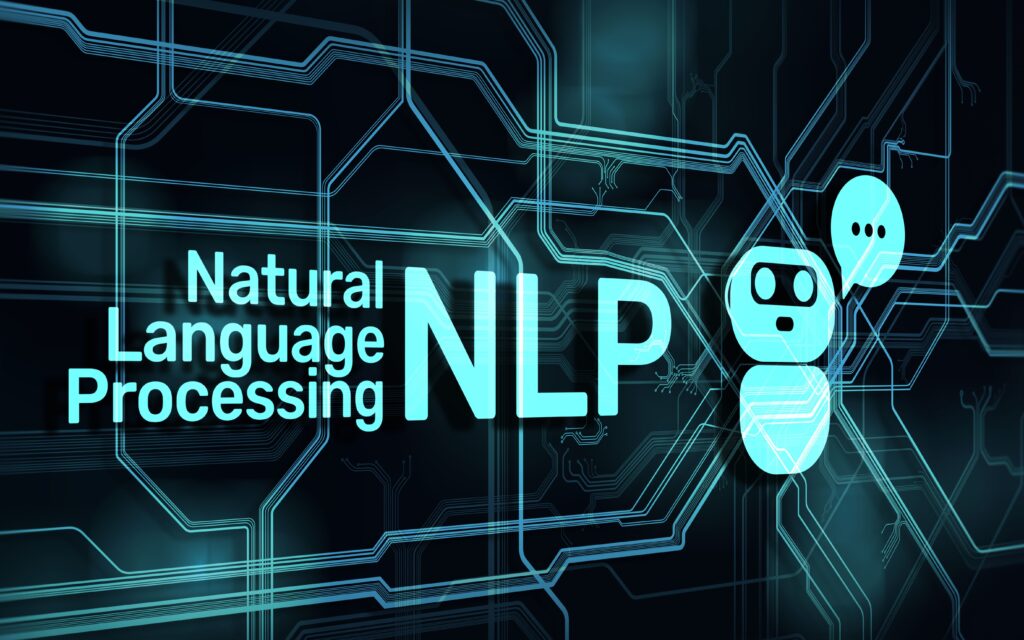
NLP courses focus on enabling machines to understand and process human language. Topics include text classification, sentiment analysis, and language modeling.
Learners build systems that can interpret and generate text. These AI courses online are essential for applications such as chatbots and virtual assistants.
A real-world example is customer support automation. NLP models can handle user inquiries, reducing the need for human intervention and improving response times.
6. Computer Vision Programs
Computer vision courses teach machines to interpret visual data. Learners work on tasks such as object detection, image classification, and video analysis.
These AI courses online are highly relevant in industries such as healthcare, retail, and transportation. They provide practical skills for building visual recognition systems.
For instance, in healthcare, computer vision models analyze medical images to detect abnormalities. This supports early diagnosis and improves patient outcomes.
7. Reinforcement Learning Courses
Reinforcement learning focuses on training models to make decisions through trial and error. It is used in areas such as robotics and game development.
Learners develop agents that optimize actions based on rewards. These AI courses online are suitable for advanced learners interested in dynamic decision-making systems.
A common application is autonomous driving, where systems learn to navigate environments and respond to changing conditions.
Real-World Applications of AI Courses Online
The true value of AI courses online lies in how the acquired skills are applied across industries. These applications demonstrate the practical impact of AI education.
Personalized Marketing and Recommendation Systems
AI models analyze customer behavior to deliver personalized experiences. This includes product recommendations, targeted advertisements, and content suggestions.
For example, streaming platforms use AI to recommend shows based on viewing history. By learning through online AI programs, professionals can build similar systems that enhance user engagement and retention.
Healthcare Innovation and Predictive Analytics
AI is transforming healthcare by enabling early diagnosis and personalized treatment. Predictive models analyze patient data to identify potential health risks.
Professionals trained through AI courses online can develop systems that improve decision-making in medical environments. This leads to better patient outcomes and more efficient healthcare services.
Financial Technology and Fraud Detection
AI plays a critical role in financial services by detecting fraudulent activities and managing risk. Machine learning models analyze transaction patterns to identify anomalies.
These applications highlight how online AI programs equip learners with the skills needed to build secure financial systems.
Automation and Smart Manufacturing
AI-driven automation improves efficiency in industrial processes. Systems can monitor performance, predict maintenance needs, and optimize production.
By applying knowledge from AI courses online, engineers can develop solutions that reduce costs and increase productivity in manufacturing environments.
Natural Language Processing in Business Operations
NLP is widely used in customer service, content analysis, and communication tools. AI systems can understand and respond to human language.
For example, chatbots handle customer inquiries and provide instant support. This application demonstrates the practical value of AI training in improving operational efficiency.
Smart Cities and Transportation Systems
AI is used to optimize traffic management, energy consumption, and public services. Intelligent systems analyze data to improve urban living conditions.
Learners who complete AI courses online can contribute to building smarter and more sustainable cities.
Benefits of AI Courses Online
Learning AI through online platforms offers significant advantages for modern learners.
Flexible Learning Paths
Learners can choose courses that match their schedules and goals. This flexibility makes it easier to balance education with other responsibilities. As a result, AI training is suitable for both students and working professionals.
Access to Global Expertise
Online platforms provide access to courses taught by leading experts. This ensures high-quality education regardless of location. This global reach enhances the value of AI courses online.
Practical and Career-Oriented Skills
Courses focus on real-world applications and projects. This helps learners build portfolios that demonstrate their capabilities. Employers value the hands-on experience gained through AI training.
Challenges of AI Courses Online
While beneficial, online learning also presents challenges that must be addressed.
Self-Discipline and Consistency
Learners must manage their own schedules and stay motivated. Without structure, it can be difficult to complete courses.
Success in online artificial intelligence training requires strong commitment and planning.
Rapidly Changing Technology
AI evolves quickly, and course content may become outdated. Learners must stay updated with new developments.
Continuous learning is essential for maximizing the value of AI courses online.
Limited Personal Interaction
Online courses may lack direct interaction with instructors. This can make complex topics harder to understand.
Engaging with communities can improve the experience of online artificial intelligence training.
Future Trends in AI Courses Online
The future of AI education is shaped by innovation and changing learner needs.
Adaptive Learning Systems
AI-powered platforms personalize content based on user progress. This improves learning efficiency and outcomes.
This trend enhances the effectiveness of AI courses online.
Integration with Emerging Technologies
Technologies such as VR and AR are making learning more immersive. These tools provide interactive experiences that improve understanding.
They are becoming an important part of online artificial intelligence training.
Stronger Industry Alignment
Courses are increasingly designed to meet industry demands. This ensures that learners acquire relevant skills.
As a result, AI courses online remain valuable for career development.
Conclusion
AI courses online provide a comprehensive pathway to learning artificial intelligence. They combine flexibility, practical skills, and real-world applications.
As AI continues to shape the future, investing in AI courses online is a strategic decision. Learners who develop these skills will be well-positioned to succeed in a rapidly evolving digital world.
Ready to Build Practical AI Skills?
Choosing the right AI course is only the first step. To create real business value, organizations also need practical AI solutions that can automate workflows, analyze data, and improve decision-making.
At Varmeta, we help businesses move beyond learning by implementing AI-powered solutions tailored to their operational needs. Whether you’re exploring AI adoption or planning enterprise automation, our experts can help you identify the right strategy.
Contact Varmeta today to discover how AI can accelerate your business transformation.
FAQs
What are AI courses online?
AI courses online are digital learning programs that teach artificial intelligence concepts through video lessons, hands-on projects, quizzes, and practical assignments. They cover topics ranging from machine learning and deep learning to natural language processing and computer vision.
Are AI courses online suitable for beginners?
Yes. Many courses are designed specifically for beginners and require little or no programming experience. Introductory programs often focus on AI fundamentals before progressing to more advanced technical topics.
Which AI course is best for career growth?
The best course depends on your career goals. Machine learning and deep learning specializations are ideal for aspiring AI engineers, while business-focused AI courses are better suited for managers, analysts, and decision-makers seeking to implement AI within organizations.
Do employers recognize online AI certifications?
Yes. Certifications from well-known universities and reputable learning platforms can strengthen your resume, especially when combined with hands-on projects that demonstrate practical AI skills.
How long does it take to complete an AI course?
Course duration varies depending on the curriculum. Beginner courses may take a few weeks, while comprehensive specializations or professional certificate programs often require several months of consistent study.
Can I learn AI without a computer science background?
Absolutely. Many learners enter AI from business, finance, marketing, healthcare, and other fields. Starting with foundational courses and gradually building programming and data analysis skills is a common learning path.