AI for sale is rapidly transforming how modern sales teams work, from prospecting to deal closing. More and more businesses are turning to AI to automate workflows, improve accuracy, and create more personalized customer experiences. Explore how Varmeta helps organizations unlock the real potential of AI-driven sales in today’s competitive landscape.
Explore AI For Sale With Varmeta!
What Is AI For Sales?
AI for sales refers to the use of artificial intelligence technologies to enhance how sales teams operate, making their workflows more productive, data driven, and results focused. By integrating AI into sales processes, organizations can streamline daily tasks, uncover deeper insights, and improve overall performance.
Artificial intelligence has become a core business tool across departments such as marketing, customer service, and human resources. Sales is no exception. AI helps sales professionals discover high quality leads, nurture prospects with personalized engagement, and move opportunities through the pipeline faster. As a result, companies that adopt AI powered sales solutions are better positioned to outperform competitors that rely solely on traditional methods.
Building an AI enabled sales organization also accelerates decision making and maximizes revenue potential. Sales leaders increasingly support AI adoption, especially in B2B environments where buying journeys are longer and deal values are higher. By embedding AI throughout the entire sales cycle, businesses can strengthen sales enablement, improve forecasting accuracy, and create more consistent, scalable growth.
Common Types Of AI For Sales
Here are some of the most widely adopted types of AI technologies that sales teams use today to automate workflows, enhance decision-making, and drive better results.
Conversational
Conversational AI refers to intelligent systems designed to communicate with users through natural, human-like dialogue. Powered by machine learning and natural language processing, these technologies understand intent, interpret context, and respond in multiple languages to deliver meaningful conversations.
For sales teams, conversational AI plays a key role in improving customer engagement and personalization. It can suggest relevant products or services, guide buyers through decision-making, and surface potential cross-sell and upsell opportunities. By automating real-time interactions at scale, conversational AI enables sales organizations to deliver faster support, increase conversion rates, and create more seamless buying experiences.
Computer Vision
Computer vision is a branch of artificial intelligence built on machine learning and neural network architectures. It enables software systems to interpret, analyze, and extract meaningful information from images, video streams, and other visual data sources.
Advanced Forecasting Analysis
Predictive analytics uses historical first party data and broader industry insights to forecast future trends and behaviors. With the support of artificial intelligence, businesses can generate more reliable predictions, uncover where sales growth is most likely to occur, and determine what resources are necessary to achieve future revenue goals.
Why Does Business Need AI For Sale?
Businesses need AI for sale to improve efficiency, make smarter decisions, and stay competitive in a market that increasingly demands speed, personalization, and data-driven selling.
Increasing Efficiency
Artificial intelligence streamlines routine sales tasks such as data input, follow up communication, and calendar coordination. By reducing time spent on repetitive work, sales teams can dedicate more energy to relationship building, strategic conversations, and closing opportunities.
Industry research indicates that organizations adopting AI powered workflows often experience noticeable gains in productivity due to more efficient business processes. This improved operational efficiency also enables companies to scale their sales activities without increasing headcount, while AI driven sales agents can automate a large portion of prospecting activities, leading to stronger performance and faster growth.
Increasing Conversion Rate
AI-powered tools enable sales teams to uncover, evaluate, and rank high-potential leads with greater accuracy. These systems also generate tailored content and suggest the most effective next steps, helping representatives engage prospects in a more relevant and timely way.
When sales efforts are concentrated on the right opportunities, conversion performance improves significantly. Research from Harvard Business Review shows that organizations using AI-driven lead scoring experience up to a 51% increase in lead-to-customer conversion rates.
Enhancing Customer Engagement
A McKinsey study reveals that as many as 71% of consumers expect brands to provide personalized experiences. Sales AI supports this demand by processing large volumes of customer data in real time, uncovering meaningful patterns, and transforming insights into customized messages and product suggestions. By delivering more relevant interactions at every touchpoint, businesses can build deeper connections with customers, increase satisfaction levels, and drive long-term revenue growth.

Always-On Customer Support
AI-driven chatbots and virtual assistants operate continuously, ensuring customers receive instant help at any time of day, across all regions. These solutions can manage routine inquiries, arrange appointments, share product demonstrations, deliver pricing details, and assist buyers throughout their purchasing journey without requiring human intervention.
Offering continuous availability not only improves response times but also strengthens customer satisfaction and loyalty. By 2025, up to 95% of customer interactions will be managed by AI, significantly improving speed, consistency, and overall customer experience.
Advanced Predictive Sales Forecasting
AI processes extensive historical sales records and current market signals to generate highly accurate revenue and performance projections. It delivers real-time visibility into expected outcomes, emerging risks, and growth opportunities, enabling sales leaders to base strategies on reliable data rather than assumptions.
Compared to traditional forecasting models, AI-powered systems continuously learn from new information, which steadily enhances prediction accuracy. Organizations that apply AI to sales forecasting achieve significantly higher accuracy in their predictions.
Faster Sales Cycle Acceleration
AI-powered sales solutions enable teams to shorten the buying journey and move prospects smoothly through each stage of the funnel. With continuous availability, personalized messaging, and automated follow-ups, AI ensures potential customers receive timely attention without delays. These tools can also prompt sales representatives on when to reconnect, recommend the most effective engagement approach, and automate outreach beyond standard business hours.
During calls and meetings, AI delivers real-time insights and contextual guidance, helping sales professionals respond with confidence and relevance. By blending automation with intelligent sales data, AI empowers teams to connect more effectively, increase productivity, and close deals in less time.
Read more: Why does your business need AI integration consulting in 2025?
High-Impact Sales Use Cases
Below are the most impactful AI for sale use cases that show how businesses are applying AI to optimize workflows, increase conversions, and accelerate revenue growth.
AI-Driven Predictive Lead Scoring
Predictive lead scoring powered by artificial intelligence allows sales teams to rank prospects according to their probability of becoming customers and their potential long-term value. Unlike traditional scoring models that depend heavily on manual input and subjective judgment, AI-based approaches deliver faster, more consistent, and more reliable results.
By applying machine learning to large volumes of customer and behavioral data such as engagement history, firmographics, and online activity, Sales AI can automatically assess and prioritize leads with greater precision. Intelligent AI agents continuously refine scoring models as new data becomes available, ensuring sales teams always focus on the opportunities most likely to convert.
Intelligent Lead and Opportunity Management
AI-powered sales platforms enable teams to organize, monitor, and control leads and opportunities with greater accuracy, ensuring every potential deal is properly managed. These solutions track each prospect’s movement across the sales funnel while delivering real-time visibility into status updates, critical actions, and upcoming milestones.
Sales AI also consolidates essential prospect data and interaction histories into a single, accessible view, minimizing the chance of overlooking important details. With data-driven automation, AI can assign leads, trigger follow-ups, and optimize workflows across the pipeline, helping sales teams operate more efficiently and close more opportunities.
Automated Account Research
Sales AI simplifies account research by automatically collecting, processing, and synthesizing essential details about prospects and target companies. Rather than manually scanning websites, social platforms, and industry news, sales teams can rely on intelligent tools to surface the most relevant insights in seconds.
With up-to-date information at their fingertips, sales professionals can approach every conversation with confidence and customize their outreach based on each account’s specific challenges, goals, and priorities.
AI-Powered Sales Outreach
Sales AI enhances outreach by helping teams connect with prospects in a more precise and personalized way. Intelligent systems analyze large datasets including firmographic details, behavioral signals, and previous interactions to uncover high-potential prospects that closely match an ideal customer profile.
Beyond identifying the right contacts, AI agents streamline engagement by creating tailored messages for each prospect and delivering them at optimal times across the most effective channels. These tools can also arrange introductory meetings and trigger automated follow-ups, ensuring no opportunity is overlooked.
By embedding AI into the outreach workflow, sales teams can sustain consistent, personalized communication at scale while increasing efficiency and conversion potential.
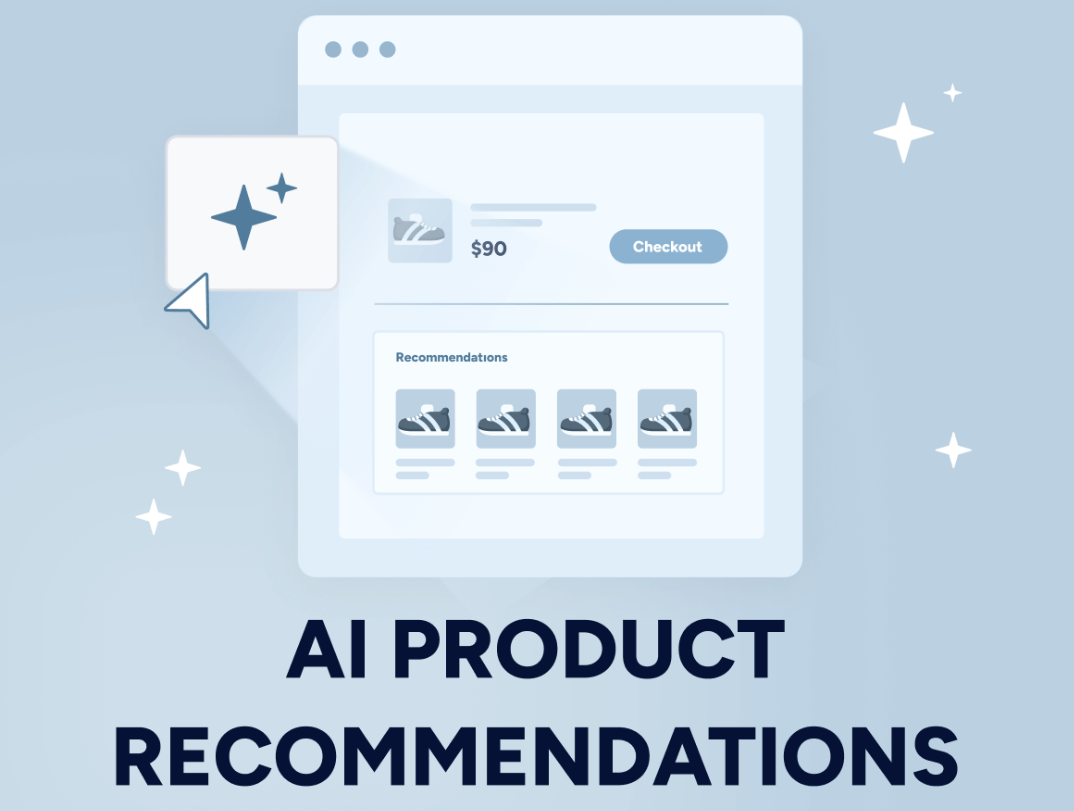
Personalized Product Recommendations
Sales AI uses rich customer insights drawn from purchase history, browsing activity, past interactions, and behavioral patterns to suggest products that truly match individual needs. By applying advanced machine learning techniques, these systems continuously adapt and improve, ensuring recommendations become more precise with every new data point.
For example, when a customer explores a specific category or completes a recent purchase, AI for sale can intelligently propose complementary items or suitable upgrades that align with their preferences. This level of personalization delivers a more meaningful shopping journey, strengthens customer relationships, and increases the likelihood of repeat purchases.
Meeting Preparation
Sales AI simplifies pre meeting research by automatically compiling relevant customer information into a single, easy to understand briefing. Instead of spending hours reviewing CRM records, email threads, and deal notes, sales teams can rely on AI agents to analyze data sources and surface key insights.
Before a call, an AI agent can highlight recent interactions, summarize active opportunities, identify shifts in engagement, and point out potential challenges or needs. It can also recommend talking points or offers based on previous purchases and current market trends. With this level of support, sales representatives walk into every conversation well prepared, confident, and ready to focus on building value rather than searching for information.
Call Summary and Analysis
Sales AI removes the burden of manual note taking by capturing conversations, generating accurate transcripts, and producing clear summaries of each call. While sales representatives focus on building rapport and understanding customer needs, AI automatically records key points, updates the CRM, and reflects changes in the sales pipeline.
Beyond documentation, AI analyzes call content to surface insights such as recurring questions, objections, buying signals, and customer concerns. It can also suggest follow up actions and next best steps to keep deals moving forward.
By combining call intelligence with data from emails, messages, and previous interactions, sales teams always work with current and reliable information. These insights help organizations refine their sales messaging, improve presentations, enhance products, and deliver a more relevant customer experience.
How To Implement AI For Sale Efficiently And Effectively?
This section outlines practical steps to help you implement AI for sale in a way that maximizes impact, ensures adoption, and delivers measurable results.
Audit Your Sales Process
Begin by documenting every stage of your sales workflow, from initial lead acquisition to final deal conversion. Take a close look at how information moves between teams, where manual tasks slow progress, and where data becomes fragmented or difficult to access.
This evaluation creates a clear picture of existing challenges and uncovers opportunities for improvement. With these insights, you can determine where AI for sale solutions will create the most value, such as improving forecast accuracy, strengthening lead qualification, or enhancing customer interactions.
Discover Automation Opportunities in Your Sales Process
Once your sales workflow is clearly defined, evaluate each stage to uncover repetitive and time-consuming tasks that are suitable for automation. Typical areas include lead scoring, follow-up emails, quote generation, and CRM data management.
By using AI-powered automation for these operational activities, sales teams can shift their focus away from manual work and toward high-impact actions such as nurturing relationships, engaging prospects, and closing deals more efficiently.
Maintain High-Quality Data and Seamless System Integration
AI delivers its best results when it is fueled by clean, accurate, and well-organized data. Start by reviewing your CRM and related platforms to remove duplicate records, correct inconsistencies, and complete missing customer information.
Connecting all tools within your technology ecosystem creates a unified data environment, giving AI models a consistent and reliable source of information. As a result, forecasts become more precise, insights more trustworthy, and AI-driven decisions more effective across the entire sales operation.
Test, Enable, and Expand Your Sales AI Strategy
Begin with a targeted AI pilot focused on a high-impact use case, such as intelligent lead scoring or personalized next-best-action recommendations. Equip your sales team with practical training so they can confidently interpret AI insights and turn them into effective actions, then track results to validate performance gains.
After demonstrating clear value, roll out AI capabilities across additional sales workflows and geographic markets. This step-by-step approach drives stronger adoption, reduces risk, and helps organizations build trust in AI-powered selling. Choosing an agentic AI platform can further speed up deployment and adoption compared to traditional, legacy systems.
Track Performance, Refine Models, and Maximize Results
Define measurable KPIs early, such as conversion rate improvements, sales cycle speed, and forecasting precision. Monitor these metrics consistently to understand how AI initiatives are impacting revenue and productivity.
Use insights from ongoing performance reviews and pilot programs to adjust models, enhance workflows, and replicate successful use cases across the organization. This continuous optimization approach ensures your sales AI strategy keeps delivering stronger outcomes over time.
The Future Of AI For Sale
Sales AI is rapidly evolving from a helpful add-on into a core driver of modern revenue operations. As artificial intelligence becomes more advanced and accessible, its role in sales will expand significantly, enabling teams to work smarter, engage buyers more effectively, and make faster data-driven decisions.

Key trends shaping the future of AI in sales include:
- Multi-AI automation with conversational interfaces: Multiple AI models will work together to automate sales workflows, while conversational AI enables sellers to interact with systems through natural language via chat and voice.
- Agentic platforms and autonomous AI agents: AI agents will handle research, data analysis, and opportunity discovery autonomously, allowing sales teams to focus on relationship-building and strategic selling.
- The rise of AI-first organizations: Businesses are shifting from experimenting with AI to designing operations around it, supported by no-code tools that speed up deployment and scaling.
Start Your AI Sales Journey With Varmeta!
AI for sale is no longer a future concept but a practical advantage that helps sales teams work smarter, faster, and more strategically. When implemented with the right approach, it can drive measurable improvements across the entire sales lifecycle, from lead generation to customer retention. Partner with Varmeta today to accelerate your AI sales transformation and stay ahead in an increasingly competitive market.