Managing complex IT infrastructures and projects manually is becoming an impossible task. Most leaders struggle with data silos, unexpected system downtime, and the constant threat of “scope creep” draining resources. If you are tired of reactive troubleshooting and inefficient workflows, it is time to shift your strategy. AI in System Management offers a path toward autonomous, self-healing operations and predictive precision.
In this guide, you will discover how to leverage AI-powered frameworks to automate 80% of routine tasks and secure your data integrity. Read on to transform your management system into a high-performance engine.
1. What is AI in System Management?
AI in System Management uses artificial intelligence to control and optimize complex organizational systems. This approach replaces manual oversight with Intelligent IT Oversight for better efficiency. It uses data analytics and automated assistants to monitor an organization’s digital assets. This framework ensures that risk management and regulatory compliance are integrated into business processes.
1.1. Defining AI-Powered Management Systems (AIMS)
An AI Management System (AIMS) is a structured framework for managing AI technologies. It combines traditional systems with AI to enhance adaptability and decision-making.
- Integrating Machine Learning into traditional MIS: AI-powered MIS integrates machine learning and predictive analytics into data storage. This allows systems to process massive datasets in real-time to uncover hidden patterns. It moves beyond simple storage to recommend proactive solutions for businesses.
- The shift from deterministic to probabilistic outcomes: Traditional software uses deterministic logic for exact, repeatable results. Conversely, AI in System Management produces probabilistic outputs through machine learning algorithms. This dynamic logic allows for adaptability but requires robust governance to manage unpredictability.
1.2. The Evolution from Manual to Autonomous Operations
AI integration shifts operations away from tedious, manual administrative tasks. This change allows human workers to focus on strategic thinking and complex problem-solving.
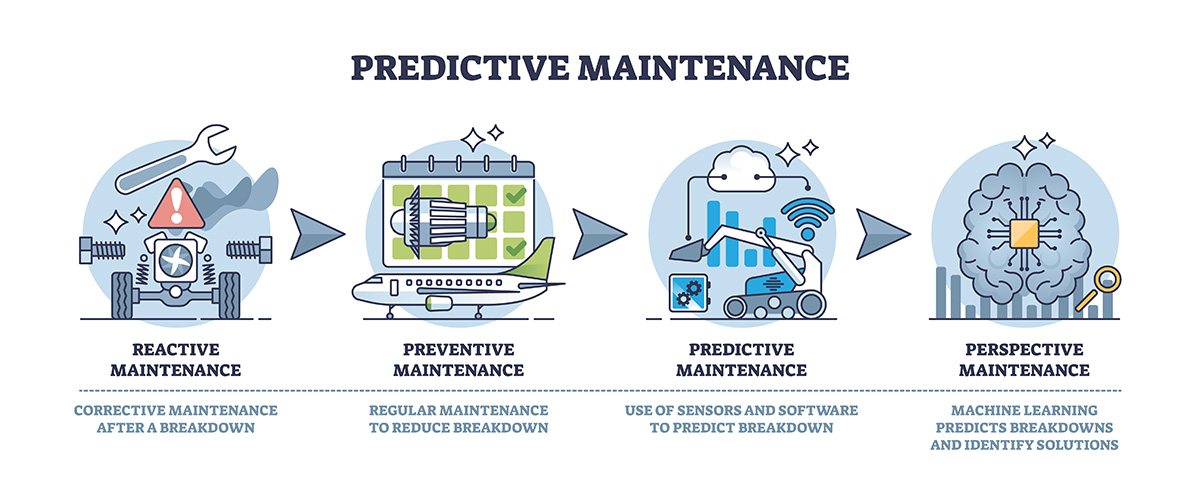
- From reactive troubleshooting to proactive self-healing: AI processes operational data in real-time to predict and resolve problems early. In IT environments, AIOps identifies patterns to execute rapid, automated resolutions. This creates a self-healing workflow that maintains system stability.
- Predictive maintenance in physical environments: AI algorithms analyze sensor data to predict equipment failures before they happen. This replaces reactive fixing with scheduled, proactive maintenance to reduce downtime. It extends the lifespan of assets while optimizing overall operational costs.
2. Core Pillars of AI Integration in Modern Systems
Integrating artificial intelligence in security and data management requires a strong foundation. These core pillars ensure that modern systems remain both intelligent and resilient.
2.1 Real-Time Data Analytics and Quality
Reliable AI results depend on high-quality input data. AI-powered systems prioritize accuracy by automating the hardest preparation tasks. By using AI for cleaning and validation, organizations eliminate human errors. This creates a dependable foundation for making strategic decisions.
AI also processes massive datasets the moment they are generated. Traditional systems often fail to keep up with modern data volumes. Machine learning helps uncover hidden patterns and anticipate trends instantly. This real-time capability allows businesses to act on insights without any delay.
2.2 Enhanced System Security and Resilience
AI strengthens resilience by monitoring network traffic 24/7. It identifies vulnerabilities and fraud before they become major breaches. Using AIOps, systems can diagnose root causes across the entire infrastructure. This allows for rapid remediation through automated response protocols.
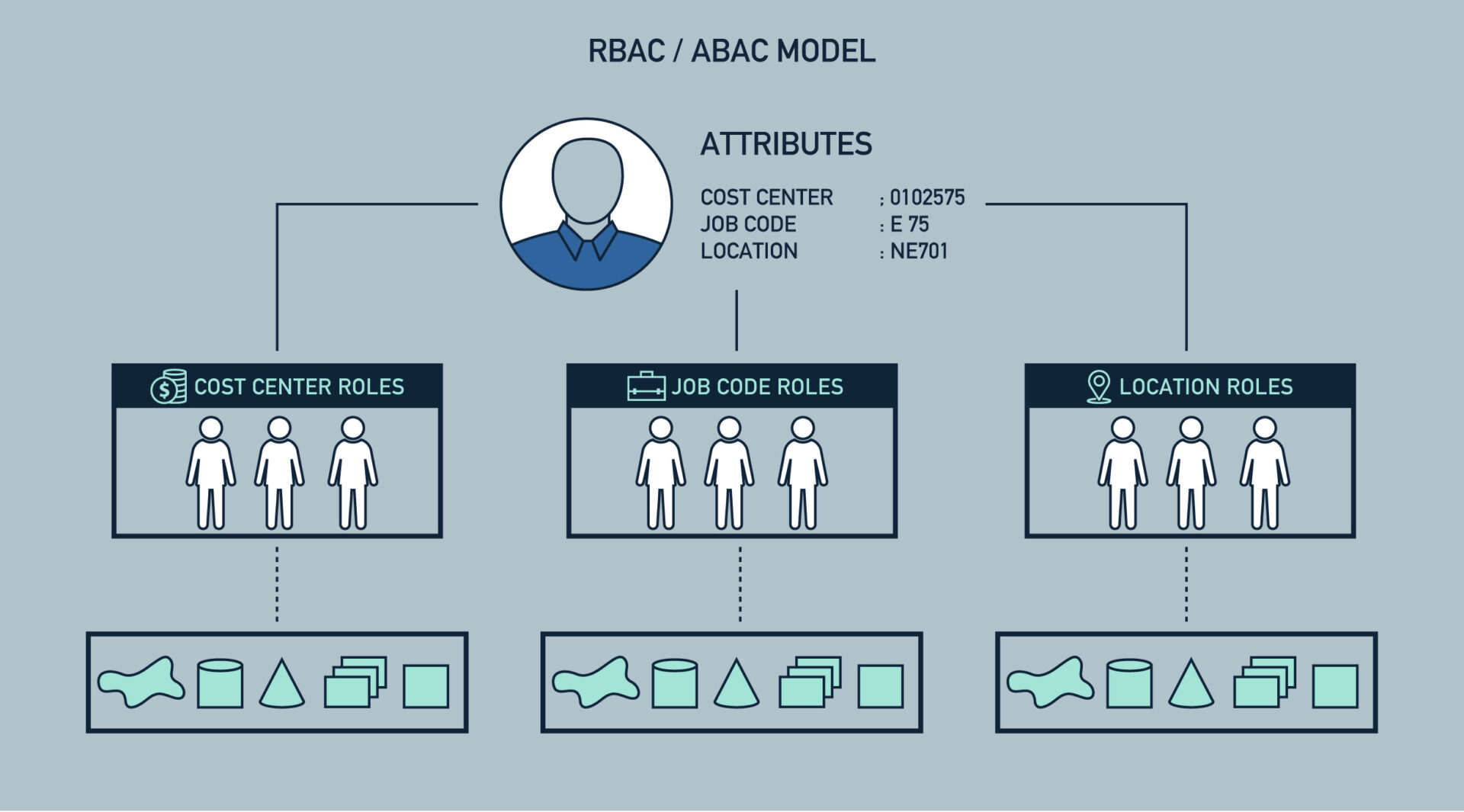
To protect sensitive information, modern systems use robust access controls. These features restrict data access only to authorized personnel. Encryption and role-based access control (RBAC) ensure the system stays compliant with regulations. This multi-layered approach keeps core digital assets safe from unauthorized use.
3. Key Applications: Transforming Operations and Projects
AI in System Management is revolutionizing how we handle digital and physical infrastructure. These applications move systems from passive tools to active, intelligent partners.
3.1. AIOps: Automating IT Infrastructure
AIOps uses artificial intelligence to streamline and automate complex IT workflows. It manages the massive data flow generated by modern digital environments.
- Root cause analysis and automated response: AIOps solutions sort through vast data to identify critical events. They diagnose root causes and trigger rapid remediation or even automatic resolution.
- Reducing system downtime through intelligent monitoring: Proactive monitoring drastically cuts the time needed to fix issues. For example, Electrolux used AIOps to reduce IT resolution time from weeks to one hour.
3.2. Predictive Maintenance in Supply Chain
AI algorithms analyze real-time sensor data and historical records to forecast equipment failure. This shifts operations from reactive repairs to proactive, scheduled maintenance.
- Preventing failure before it happens: By predicting issues, companies address them before a breakdown occurs. This approach extends asset lifespan and reduces operational costs significantly.
- Optimizing uptime: Organizations can minimize production downtime by up to 30%. This ensures a smoother supply chain and more reliable manufacturing outputs.
3.3. AI in Project System Management
Modern project management leverages AI to handle administrative burdens and ensure strategic alignment.
- Automating 80% of manual tasks: By 2030, AI will likely eliminate most tedious project work. It automates scheduling, reporting, and task allocation based on real-time team capacity.
- Preventing “Scope Creep” via continuous tracking: AI tools monitor project data to alert managers about bottlenecks early. This continuous tracking prevents unauthorized task expansion and keeps projects focused on core objectives.
4. Governance and Security: Ensuring Trust in AI
To manage AI in System Management effectively, organizations must navigate complex risks. Standardized frameworks and security protocols are essential for building reliable, ethical systems.
4.1. Global Compliance Frameworks
Standardized governance provides a roadmap for risk mitigation and organizational compliance.
- ISO 42001 (Standard for AI management systems): This is the first international standard for AI Management Systems (AIMS). It uses a “Plan-Do-Check-Act” methodology to manage the entire AI lifecycle. Organizations define risks, operationalize guardrails, audit performance, and address vulnerabilities continuously.
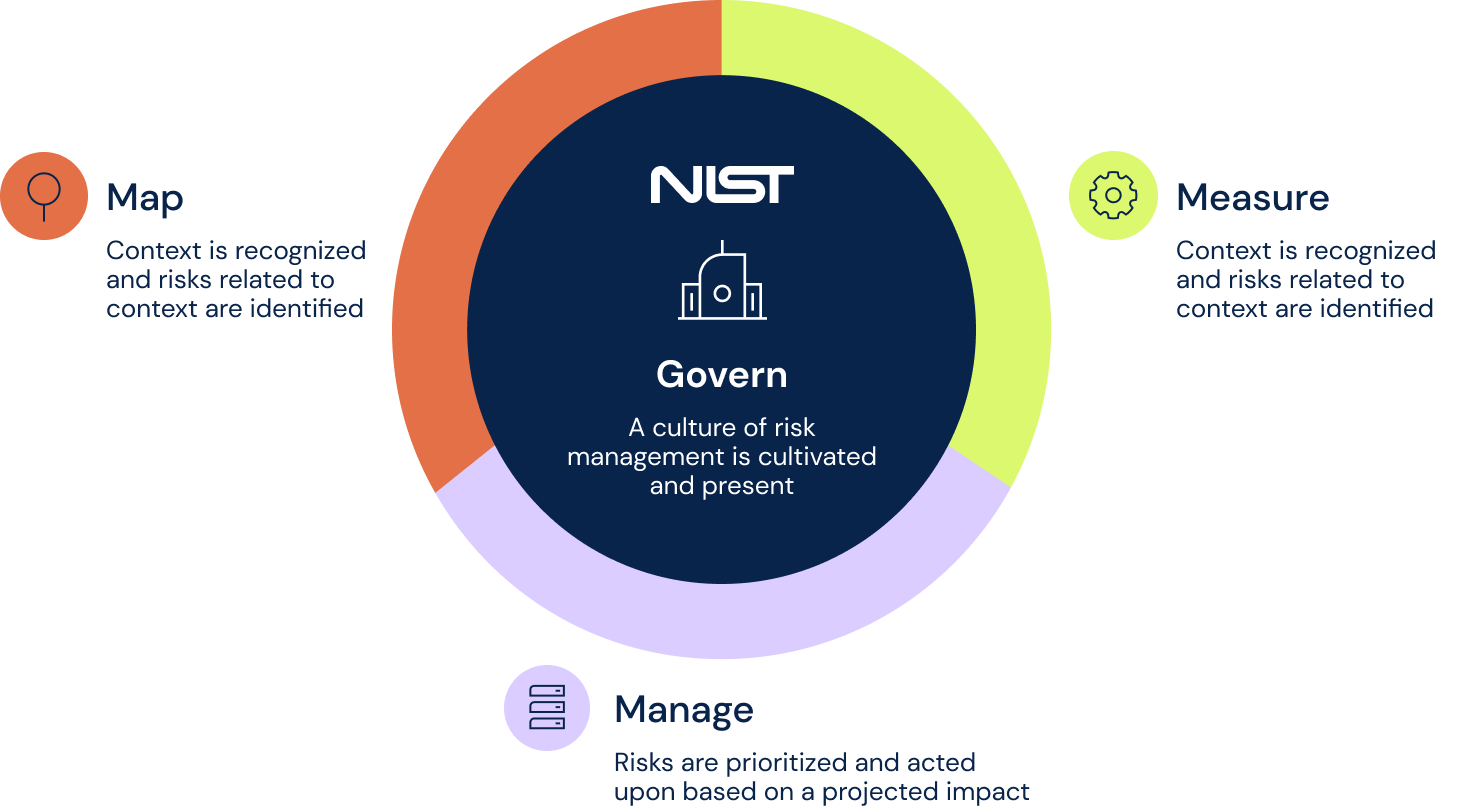
- NIST AI RMF (Mapping and managing AI risks): This framework focuses on assessing and addressing specific AI threats. It is built on four pillars: Govern (accountability), Map (threat discovery), Measure (quantifying risk), and Manage (taking action).
- EU AI Act (Transparency and human oversight): This mandatory regulation categorizes AI by its risk level to human rights. High-risk systems must provide clear technical documentation and maintain human oversight. Large-scale models face even stricter safeguards to prevent systemic risks.
4.2. Addressing Algorithmic Bias and Data Poisoning
Maintaining integrity requires active defense against technical flaws and malicious attacks.
- Addressing algorithmic bias: Bias occurs when AI produces unfair outcomes due to flawed training data. For example, biased hiring tools can emerge from historically skewed data. Organizations must use diverse datasets and conduct regular ethical audits to ensure fairness.
- Protecting data integrity and addressing data poisoning: Malicious actors may “poison” data to manipulate AI outputs. This presents a severe cybersecurity risk for probabilistic models. Managers must implement rigorous security testing and automated scanning to detect threats early.
- Robust data governance: Protecting AI in System Management requires ongoing data quality checks. Robust frameworks ensure that data remains accurate, secure, and representative throughout the system’s life.
5. How to Implement AI in Your System Management Workflow
A successful transition to AI in system management requires a phased strategy. This ensures that the technology aligns with your goals and operates securely within your infrastructure.
5.1 Assessment and Goal Setting
Organizations must identify “high-impact” areas where AI provides the most value before adoption.
- Identifying inefficiencies: Evaluate current systems to pinpoint bottlenecks or routine tasks that AI can automate.
- Defining success: Establish measurable Key Performance Indicators (KPIs) to track the success of your AI implementation.
- Risk assessment: Conduct an early review of data privacy concerns, potential bias, and cyber threats to overcome organizational hurdles.
5.2 Data Architecture and Integration
AI effectiveness depends entirely on data quality. A robust architecture is the foundation of any intelligent system.
- Cleaning legacy data: Gather data from CRMs and ERPs, then remove duplicates and standardize formats. This ensures high-quality inputs for your algorithms.
- Designing for speed and security: Design your system architecture to prioritize reliability and secure data flow. Map out how AI tools interact with existing software to prevent information silos.
- Safeguarding data: Use encryption and role-based access control to protect sensitive information during system exchange.
5.3 Choosing the Right Tools
Selecting tools for AI in System Management depends on your specific operational pain points.
- Generative AI Assistants: Tools like Copilots use natural language to automate reports and summarize meetings. They act as conversational assistants for daily administrative work.
- Analytical AI tools: These focus on processing massive datasets to uncover patterns. They are ideal for predictive maintenance, resource optimization, and budget forecasting.
- Integrated platforms: The best approach often combines both generative and analytical capabilities to fully augment your tech stack.
5.4 Training and Continuous Monitoring
Because AI models are probabilistic, they require ongoing human oversight to remain accurate.
- Upskilling staff: Provide training on how to use AI software and interpret its insights. Employees must understand governance guidelines and acceptable use policies.
- Monitoring “Model drift”: Actively monitor performance to detect “model drift,” where accuracy degrades as real-world data changes.
- Ongoing maintenance: Regularly feed new data into the system and maintain active security scanning. Continuous updates ensure the system stays robust and aligned with business goals.
Ready to Optimize Your Infrastructure with Varmeta?
As we move further into 2026, the adoption of AI in System Management is no longer just a technical upgrade; it is a fundamental shift in how organizations survive and thrive. By moving from manual, reactive troubleshooting to autonomous, predictive operations, you empower your team to focus on innovation rather than maintenance.
Whether you are implementing AIOps to reduce downtime or utilizing AIMS to ensure global compliance, the goal remains the same: building a resilient, transparent, and high-performing infrastructure. The future belongs to those who can master the balance between machine intelligence and human oversight.
Don’t let your systems stay reactive. Contact Varmeta today to schedule a consultation and transform your management workflow into a proactive, intelligent engine of growth. Let’s build the future of autonomous operations together.
FAQs
What is an AI management system?
An AI Management System (AIMS) is a structured framework like ISO 42001.Nó helps organizations govern their AI tools by balancing innovation with risk management. It ensures that every AI model used for AI in System Management is ethical, transparent, and compliant with global laws.
Will AI replace PMO?
No, AI will not replace the Project Management Office (PMO). Instead, it automates roughly 80% of administrative tasks like data entry and reporting. This shift allows the PMO to focus on high-level strategy, stakeholder relationships, and complex decision-making that requires human empathy.
What is the role of AI in LMS?
In a Learning Management System (LMS), AI personalizes the student experience. It analyzes user behavior to recommend specific content and identifies knowledge gaps automatically. AI also automates grading and provides instant feedback through intelligent tutors, making system-wide training more efficient.
How can AI be used in management?
AI in System Management is used to optimize resources, predict risks, and automate workflows. Managers use it to analyze massive datasets for better decision-making. It also powers “self-healing” IT systems and predictive maintenance, allowing leaders to be proactive rather than reactive.