Blockchain has recently cut across several industries, including financial services, supply chain management, and healthcare systems. As such a revolutionary technology, businesses tend to want to make the most of it. Hence, the growing necessity of blockchain API.
Despite some skepticism, the blockchain ecosystem is expanding, close to reaching 5450 gigabytes in 2024, with new technologies and applications emerging frequently. This growth is evident in the rapidly increasing size of the Bitcoin blockchain.
In this article, we will cover the core blockchain API, its uses, the important factors to pay attention to, and how to find an appropriate blockchain API for your needs.

Understanding Blockchain API
What is a Blockchain API?
A blockchain API (Application Programming Interface) is an interface that enables developers to interact seamlessly with blockchain technology. It allows applications to communicate with blockchain nodes to exchange transaction information, retrieve data, or invoke smart contracts. Essentially, when an application needs to interact with a specific blockchain, it utilizes a blockchain API. This approach simplifies the integration process, making it more manageable given the complexity of blockchain systems.
Why is Blockchain API Important?
Blockchain API is a crucial factor for several reasons:
- Ease of Use: They relieve developers from the burden of creating an entirely new blockchain system, which can be time-consuming and resource-intensive.
- Usability: These blockchain APIs provide essential features that enable developers to build applications with capabilities such as transaction processing, wallet services, and data querying.
- Reliability: Many blockchain APIs come equipped with built-in security measures to protect sensitive information, ensuring data integrity and confidentiality.
- Scalability: A robust API can scale alongside your application, accommodating increased traffic and transaction volumes without compromising performance.
How is Blockchain API applied?
Blockchain APIs have a broad range of use cases across various industries, as they provide streamlined access to the functionalities of blockchain networks. Here are some of the most common and impactful use cases:
1. Cryptocurrency Transactions
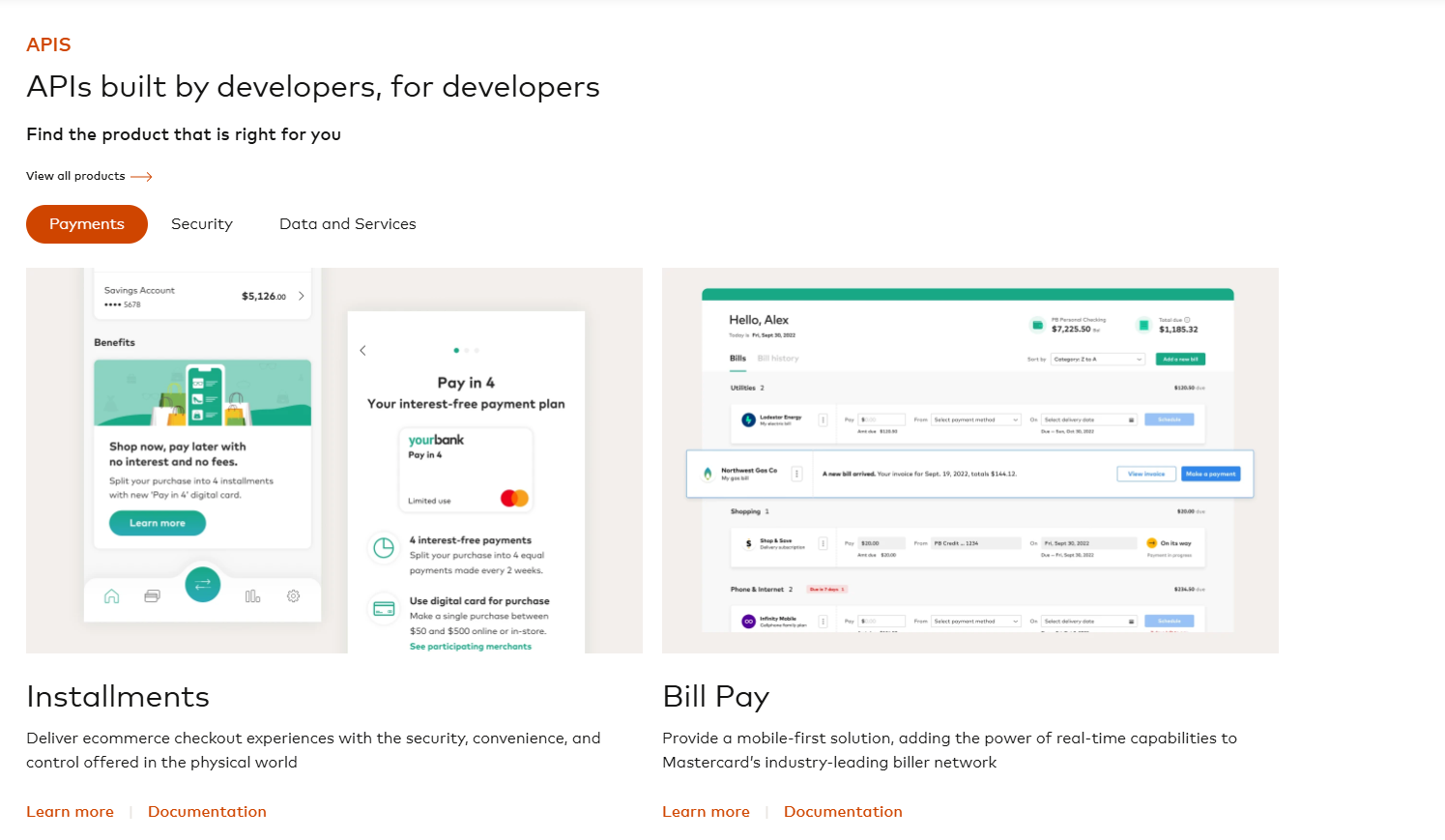
Mastercard has integrated blockchain technology to enhance cryptocurrency transactions, offering secure and efficient solutions for consumers and businesses.For instance, Mastercard’s Blockchain API enables partner banks and merchants to process cryptocurrency transactions seamlessly. By leveraging Mastercard’s blockchain, it ensures secure and transparent transactions, addressing challenges in cross-border payments. In addition, Mastercard’s Multi-Token Network (MTN) supports digital asset transactions, MTN combines blockchain’s flexibility with the convenience of fiat currencies. It facilitates the use of tokenized bank deposits and central bank digital currencies (CBDCs) for various applications, including cryptocurrency transactions.
2. Identity Verification and Management
Blockchain APIs provide the ability to create and manage decentralized digital identities, giving users control over their personal information without relying on centralized systems. uPort API enables decentralized identity verification by allowing users to create and manage their digital identities independently of centralized databases. With uPort, individuals can securely share verified credentials (like IDs or certificates) directly with third parties, maintaining privacy and data control.
For example, in financial services, uPort helps institutions verify user identities without storing sensitive data centrally, reducing fraud risk and enhancing compliance with privacy regulations. This approach is particularly valuable in sectors like healthcare and government, where secure, private identity management is crucial.
3. Supply chain management
APIs enable tracking and verifying each step of the supply chain, providing transparency and reducing the risk of fraud.
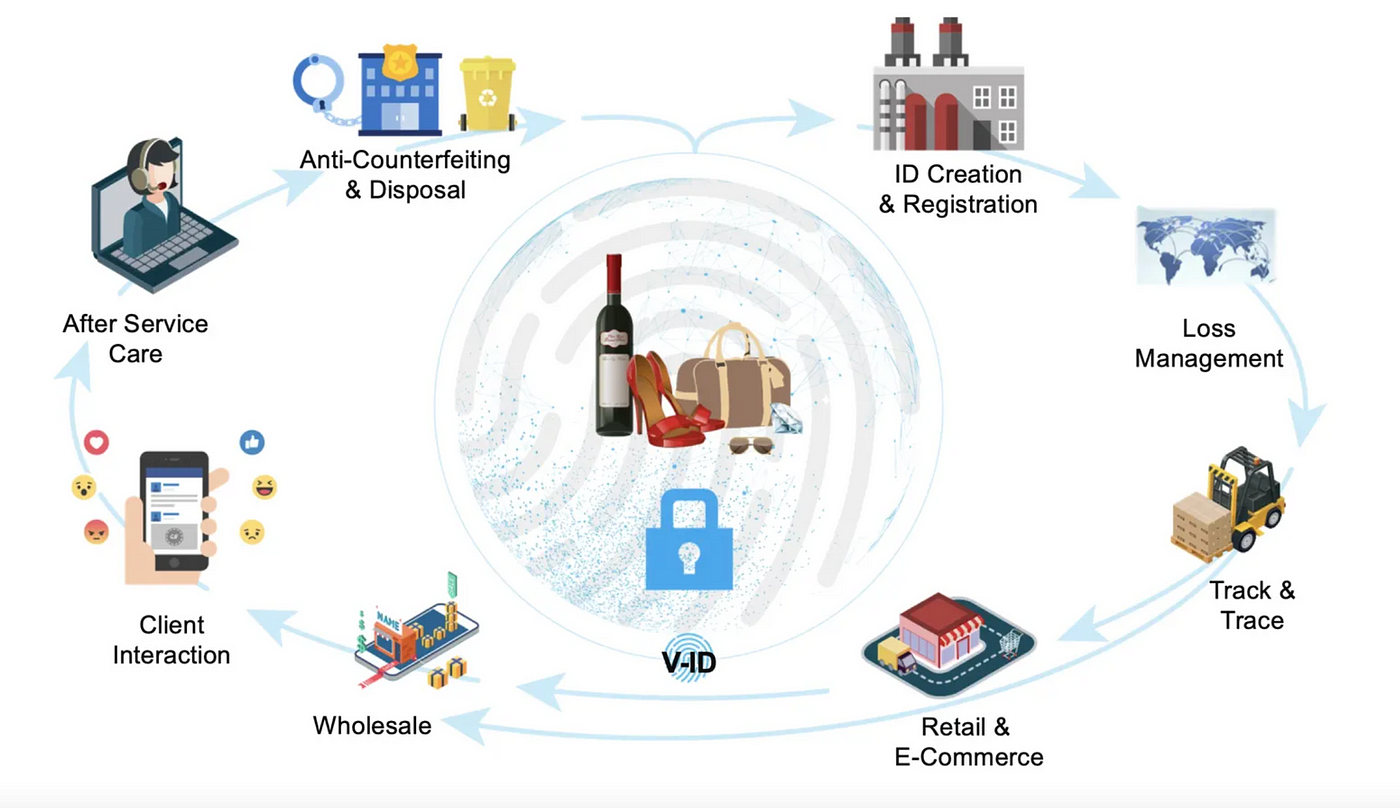
VeChain API enables real-time product tracking and verification in the supply chain, ensuring transparency and reducing counterfeiting. Businesses use it to provide consumers with product history and verify authenticity at each stage, leveraging blockchain’s immutable data for secure, fraud-resistant supply chain management.
4. Financial Services (DeFi)
APIs allow the development of decentralized financial services, including lending, borrowing, trading, and yield farming.

DeFi APIs, such as those from Aave or Uniswap, allow developers to integrate decentralized financial services like lending, borrowing, and trading directly into applications. These APIs facilitate automated, secure financial transactions without intermediaries, providing users with seamless access to liquidity pools, interest accrual, and peer-to-peer transactions on the blockchain.
Top 5 Blockchain API Providers
To help you get started, here are some of the leading blockchain API providers in 2023:

NOWNodes offers fast and easy access to multiple blockchains through full nodes and explorers. Its blockchain-as-a-service solution ensures a reliable connection, making it an excellent choice for developers looking to integrate various blockchain functionalities. With over 40 blockchains available, NOWNodes provides a comprehensive service that caters to diverse project needs.

Coinbase provides a flexible and secure API that supports multiple cryptocurrencies, including Bitcoin, Bitcoin Cash, Litecoin, and Ethereum. The platform offers excellent wallet services and allows for easy integration with existing applications. Coinbase is popular due to its robust security measures and user-friendly interface, making it ideal for businesses looking to add cryptocurrency functionalities.

Developed by Bitpay, Bitcore is a native interface for the Bitcoin network. This open-source API offers high performance and scalability, making it suitable for projects that require a robust Bitcoin-related application. Bitcore’s modular architecture allows for easy extension with additional services, providing flexibility for developers.

As one of the oldest and most popular blockchain APIs, Blockchain API supports various functionalities, including wallet management and payment processing. Its extensive developer community enhances its reliability and support. The API operates using wallets only, which minimizes the need for additional cryptocurrency storage, making it a secure choice for applications.

Infura is a leading provider of Ethereum infrastructure, offering a scalable and robust solution for decentralized applications. It allows developers to connect to the Ethereum network seamlessly without the need to run their nodes. Infura is responsible for providing access to Ethereum for approximately 60% of all dApps, making it a vital player in the blockchain ecosystem.
Conclusion: Unlocking Your Business Potential with Blockchain APIs
Blockchain APIs are transforming how industries leverage blockchain by simplifying development and expanding applications. From secure cryptocurrency transactions to decentralized identity verification, supply chain transparency, and DeFi services, APIs empower businesses to innovate efficiently. As blockchain continues to evolve, understanding and choosing the right APIs is essential for staying competitive and harnessing blockchain’s full potential.