The financial industry is undergoing a significant transformation driven by rapid technological innovation. Among the most impactful developments are blockchain technology and fintech solutions, which together are reshaping how financial services are delivered. Understanding the relationship between blockchain and fintech is essential for businesses, investors, and consumers navigating this evolving landscape.
As digital transactions continue to grow, traditional financial systems face increasing pressure to improve efficiency, transparency, and security. The integration of blockchain and fintech provides a powerful solution by combining decentralized technology with innovative financial services.
What Is Blockchain and Fintech

To understand the impact of this transformation, it is important to define the two core concepts. Blockchain is a distributed ledger technology that records transactions securely and transparently across a network. Fintech refers to the use of technology to improve and automate financial services.
When combined, blockchain and fintech create a new paradigm where financial processes become more efficient, secure, and accessible. This integration eliminates many limitations of traditional systems, such as reliance on intermediaries and slow transaction speeds.
Key Features of Blockchain in Fintech
Blockchain introduces several core features that strengthen modern financial applications. These capabilities explain why the technology has become an important foundation for digital financial services.
Decentralization
Decentralization removes the need for central authorities in financial transactions. Instead of relying on banks or intermediaries, transactions are validated by a network of participants.
This approach reduces operational costs, increases transparency, and enables faster transaction processing, making it a key advantage of blockchain-based financial systems.
Transparency and Immutability
Blockchain records are transparent and cannot be altered once confirmed. This ensures that all transactions are verifiable and trustworthy.
For fintech applications, this level of transparency builds trust among users. It also highlights the advantages of blockchain and fintech in reducing fraud and errors.
Security Through Cryptography
Blockchain uses advanced cryptographic techniques to secure data. Transactions are encrypted and linked together, making them highly resistant to tampering.
This high level of security is one of the primary reasons why financial institutions continue to adopt distributed ledger technology.
Automation with Smart Contracts
Smart contracts enable automated execution of agreements based on predefined conditions. This reduces the need for manual intervention.
In fintech, smart contracts streamline processes such as payments and settlements. This demonstrates how blockchain and fintech improve efficiency.
Applications of Blockchain and Fintech
The integration of blockchain and fintech is not just theoretical. It is actively transforming multiple financial services with real-world applications that improve efficiency, security, and accessibility. Each application reflects how decentralized infrastructure and digital innovation can solve long-standing challenges in traditional finance.
Digital Payments and Cross-Border Remittances
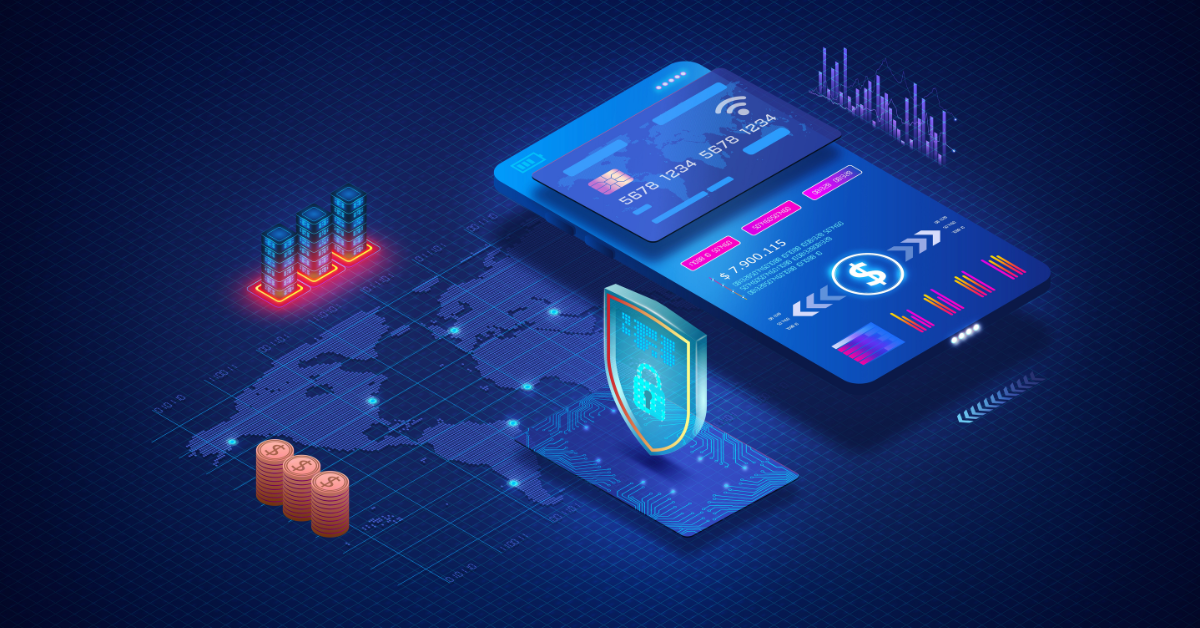
One of the most widely adopted use cases of blockchain and fintech is in digital payments and international remittances. Traditional cross-border payments often rely on intermediaries such as correspondent banks, which increase transaction time and cost.
With blockchain-based systems, transactions can be executed directly between parties without multiple intermediaries. The process typically involves converting fiat currency into a digital asset, transferring it عبر blockchain, and then converting it back into local currency. This reduces settlement time from several days to just minutes.
A real-world scenario can be seen in migrant remittances. A worker sending money from abroad can use a blockchain-powered fintech app to transfer funds instantly to family members. The transaction fees are significantly lower compared to traditional services, and the transparency of blockchain ensures that the transfer can be tracked in real time.
Decentralized Finance and Lending Platforms
Decentralized finance (DeFi) is one of the most transformative applications of blockchain technology in financial services. Instead of relying on traditional intermediaries, DeFi platforms use smart contracts to automate lending, borrowing, and other financial activities.
For example, users can deposit digital assets as collateral and borrow funds without going through a bank. Interest rates are typically determined algorithmically based on market supply and demand.
A common use case involves locking cryptocurrency into a smart contract to secure a loan. If the collateral value drops below a predefined threshold, the protocol automatically initiates liquidation to manage risk. This trustless approach reduces operational costs while improving efficiency and transparency.
Digital Identity and KYC Optimization

Identity verification is a critical challenge in financial services. Traditional Know Your Customer processes are often time-consuming and require repetitive data submission across platforms.
By leveraging blockchain and fintech, organizations can create decentralized digital identities that users control. These identities store verified credentials that can be shared securely with multiple service providers.
For example, a customer completes identity verification once with a trusted organization. The verified credentials can then be reused across multiple platforms with user consent, significantly reducing onboarding time, strengthening security, and simplifying regulatory compliance.
Trade Finance and Supply Chain Financing

Trade finance involves multiple stakeholders, including suppliers, buyers, banks, and logistics providers. Traditional processes are often paper-based and prone to delays and fraud.
The integration of blockchain and fintech enables digital documentation, real-time tracking, and automated verification. Smart contracts can trigger payments once predefined conditions are met, such as the delivery of goods.
A real-world use case is international trade transactions. A supplier ships goods to a buyer, and the shipment details are recorded on a blockchain. Once the goods reach their destination and are verified, the payment is automatically released through a smart contract. This reduces disputes, increases transparency, and improves efficiency across the supply chain.
Tokenization of Assets
Tokenization allows real-world assets such as real estate, stocks, bonds, and commodities to be represented as digital tokens on a blockchain.
This approach improves liquidity by enabling fractional ownership, making high-value assets more accessible to a wider range of investors.
For example, instead of purchasing an entire property, investors can buy digital tokens representing partial ownership. These tokens can be traded on digital asset platforms, creating new investment opportunities while lowering entry barriers.
Fraud Detection and Risk Management

Fraud remains a major concern in financial services. Traditional systems often rely on centralized databases that can be vulnerable to breaches and manipulation.
By combining blockchain and fintech, organizations can create transparent and tamper-proof transaction records. This makes it easier to detect anomalies and identify fraudulent activities.
For instance, transaction histories stored on a blockchain cannot be altered, providing a reliable audit trail. Fintech platforms can analyze this data using advanced algorithms to detect suspicious patterns. This integration enhances risk management and strengthens overall security.
Embedded Finance and Payment Integration
Embedded finance refers to integrating financial services into non-financial platforms. This trend is rapidly growing in industries such as e-commerce, ride-sharing, and digital marketplaces.
With blockchain and fintech, embedded finance becomes more efficient and secure. Payments, lending, and insurance services can be seamlessly integrated into user experiences without requiring separate platforms.
A common use case is an e-commerce platform offering instant financing at checkout. The payment process is powered by blockchain infrastructure, ensuring secure transactions, while fintech solutions manage credit assessment and approval in real time. This creates a smooth and efficient user journey.
Central Bank Digital Currencies and Institutional Use
Governments and central banks worldwide are actively exploring Central Bank Digital Currencies (CBDCs) as part of the next generation of digital payment infrastructure.
These initiatives demonstrate how distributed ledger technologies are influencing institutional finance by improving payment efficiency, reducing transaction costs, and expanding financial inclusion.
For example, a central bank may issue a digital version of its national currency that citizens can use for everyday payments. Built on secure digital infrastructure, the system offers greater transparency, traceability, and operational efficiency while supporting the modernization of national payment systems.
Benefits of Blockchain and Fintech
The integration of blockchain and fintech offers several advantages that drive its adoption.
Increased Efficiency
Automation and decentralized networks streamline financial processes by reducing manual intervention and eliminating unnecessary intermediaries. As a result, transactions can be completed much faster than through traditional banking systems.
This improved efficiency enables organizations to process payments, settlements, and other financial operations more quickly while enhancing the overall customer experience.
Enhanced Security
Blockchain provides a secure environment for transactions. Cryptographic techniques protect data from unauthorized access.
This reduces the risk of fraud and cyberattacks. It also reinforces the importance of blockchain and fintech in modern finance.
Lower Costs
Removing intermediaries significantly lowers transaction and operational costs, particularly for international payments and cross-border transfers.
By automating processes and reducing administrative overhead, organizations can deliver faster and more affordable financial services while improving operational efficiency.
Greater Financial Inclusion
Blockchain enables access to financial services for underserved populations. People without access to traditional banking can participate in digital finance.
This expands opportunities and promotes economic growth. It highlights the social impact of blockchain and fintech.
Challenges of Blockchain and Fintech
Despite the transformative potential, the integration of blockchain and fintech is not without significant challenges. These challenges are not only technical but also regulatory, operational, and behavioral. Understanding them in depth is essential for organizations aiming to implement blockchain-based financial solutions effectively.
Regulatory Uncertainty and Compliance Complexity
One of the biggest challenges facing blockchain and fintech is the lack of consistent regulatory frameworks. Different countries adopt different approaches, ranging from full support to strict restrictions.
This inconsistency creates barriers for global fintech companies that operate across multiple jurisdictions. For example, a blockchain-based payment platform may be fully compliant in one country but face legal ambiguity in another. This forces companies to design flexible compliance strategies, often increasing operational complexity and cost.
In addition, regulations around digital assets, smart contracts, and decentralized finance are still evolving. Organizations must continuously monitor legal changes and adapt their systems to remain compliant. This uncertainty slows down innovation and limits large-scale adoption of blockchain and fintech solutions.
Scalability and Performance Limitations
Scalability remains a critical issue for blockchain systems. Many public blockchains are not designed to handle high transaction volumes at the speed required by global financial systems.
For instance, traditional payment networks can process thousands of transactions per second, while some blockchain networks handle significantly fewer. This creates bottlenecks during peak usage periods, leading to delays and increased transaction fees.
In real-world fintech applications such as high-frequency trading or mass payment processing, these limitations become a major constraint. Improving scalability through solutions like layer-2 protocols or alternative consensus mechanisms is essential for the future of blockchain-based financial systems.
Security Risks Beyond the Blockchain Layer
While blockchain itself is considered secure, vulnerabilities often exist in the surrounding ecosystem. This includes smart contracts, user interfaces, and third-party integrations.
A common example is smart contract exploitation. If a contract is poorly coded, attackers can exploit loopholes to drain funds. Several high-profile incidents in decentralized finance have demonstrated how these vulnerabilities can lead to significant financial losses.
In addition, phishing attacks and compromised private keys remain major risks for users. This highlights that security in blockchain and fintech extends beyond the core technology and requires comprehensive protection strategies across all layers.
Integration with Legacy Systems
Traditional financial institutions rely on legacy systems that were not designed to support blockchain technology. Integrating new blockchain solutions with existing infrastructure is complex and resource-intensive.
For example, banks must connect blockchain networks with internal databases, compliance systems, and payment gateways. This often requires custom development and significant changes to existing workflows.
The challenge is not only technical but also organizational. Teams must adapt to new processes and technologies, which can slow down implementation. This integration barrier is a key reason why adoption of blockchain-based financial systems in traditional institutions takes time.
User Adoption and Experience Barriers
Despite its advantages, blockchain technology can be difficult for average users to understand. Concepts such as private keys, wallets, and decentralized systems are not intuitive for most people.
This creates friction in user onboarding and adoption. For example, if a user loses access to their private key, they may permanently lose access to their funds. Unlike traditional banking, there is often no recovery mechanism.
To address this, fintech platforms must design user-friendly interfaces and provide educational resources. Simplifying the user experience is critical for expanding the reach of blockchain and fintech solutions.
Data Privacy and Transparency Trade-Off
Blockchain is inherently transparent, which can conflict with data privacy requirements. While transparency improves trust and auditability, it may expose sensitive transaction details.
In financial services, confidentiality is crucial. Organizations must balance the openness of blockchain with privacy needs by using techniques such as encryption and zero-knowledge proofs.
A practical example is transaction visibility in public blockchains. While the identities may be pseudonymous, transaction patterns can still reveal sensitive information. Managing this trade-off is a key challenge in implementing blockchain-based financial systems solutions.
Interoperability Between Blockchain Networks
The blockchain ecosystem consists of multiple networks that often operate independently. Lack of interoperability makes it difficult to transfer assets or data between different platforms.
For fintech applications, this fragmentation limits functionality and user experience. For example, a user may need to switch between multiple wallets or platforms to complete a single transaction.
Developing interoperability solutions such as cross-chain bridges is essential. However, these solutions also introduce new security risks. Achieving seamless integration across networks remains a major challenge for blockchain-based financial systems.
High Implementation and Transition Costs
Adopting blockchain technology requires significant investment in infrastructure, development, and training. Organizations must allocate resources to build secure systems and maintain compliance.
For startups, these costs can be a barrier to entry. For large institutions, transitioning from existing systems to blockchain-based solutions involves substantial financial and operational effort.
Additionally, the return on investment may not be immediate. Businesses must carefully evaluate the long-term benefits of blockchain and fintech before committing to large-scale implementation.
Future Trends in Blockchain and Fintech
The future of blockchain and fintech is shaped by innovation and emerging technologies. These trends highlight the direction of the industry.
Integration with Artificial Intelligence
AI enhances blockchain systems by analyzing data and improving decision-making.
This combination increases efficiency and automation. It represents the next phase of blockchain-based financial development.
Expansion of DeFi
Decentralized finance continues to grow, offering new financial products and services.
This trend will further disrupt traditional banking systems. It underscores the potential of blockchain and fintech.
Cross-Chain Interoperability
Interoperability allows different blockchain networks to communicate. This improves flexibility and functionality.
It enables seamless transactions across platforms. This is a key development in blockchain-based financial systems.
Increased Institutional Adoption
More financial institutions are adopting blockchain technology. This includes banks, payment processors, and investment firms.
Institutional adoption will drive innovation and growth. It also strengthens the role of blockchain and fintech in the global economy.
Blockchain and fintech are transforming the financial industry by improving efficiency, security, and accessibility. Their integration represents a significant shift from traditional systems.
As technology continues to evolve, the importance of blockchain-based financial systems will only increase. Organizations that embrace these innovations will be better positioned to succeed in the future of finance.
Conclusion
Blockchain and fintech are reshaping the financial industry by making transactions more secure, transparent, and efficient. From decentralized finance and digital identity verification to asset tokenization and embedded finance, these technologies are driving innovation across the global financial ecosystem.
As adoption continues to grow, organizations that embrace blockchain-powered financial solutions will be better positioned to improve operational efficiency, enhance customer experiences, and adapt to an increasingly digital economy. Understanding these technologies today is an important step toward preparing for the future of finance.
Ready to Transform Your Financial Services?
The future of finance is being built on intelligent, secure, and decentralized technologies. Whether you’re exploring blockchain adoption, modernizing payment infrastructure, or developing next-generation fintech solutions, choosing the right technology partner can accelerate your digital transformation.
Contact our experts today to discover how blockchain and AI-powered fintech solutions can help your organization improve security, streamline operations, and unlock new business opportunities.
FAQs
1. What is the difference between blockchain and fintech?
Blockchain is a distributed ledger technology that securely records and verifies transactions without relying on a central authority. Fintech is a broader industry that uses technology to improve financial services. Blockchain is one of many technologies that power modern fintech solutions.
2. Is blockchain only used for cryptocurrencies?
No. While blockchain is best known for supporting cryptocurrencies, it is also used for digital payments, identity verification, trade finance, supply chain management, smart contracts, asset tokenization, and many other financial applications.
3. How does blockchain improve security in financial services?
Blockchain secures transactions through cryptographic encryption and immutable records. Once data is verified and added to the ledger, it cannot be modified without network consensus, reducing the risk of fraud and unauthorized changes.
4. What industries benefit most from blockchain-based financial solutions?
In addition to banking and financial services, industries such as insurance, healthcare, retail, logistics, real estate, and government are increasingly adopting blockchain to improve transparency, automate workflows, and enhance data security.
5. What challenges should businesses consider before adopting blockchain?
Organizations should evaluate factors such as regulatory compliance, implementation costs, system scalability, interoperability with existing infrastructure, and employee training. A clear implementation strategy helps maximize long-term value while minimizing operational risks.