Global supply chains are no longer simple, linear systems. They are complex networks involving manufacturers, suppliers, logistics providers, distributors, and retailers operating across multiple countries. This growing complexity has made it increasingly difficult to maintain transparency, accuracy, and trust, which is why the integration of blockchain and the supply chain is becoming a critical focus for modern businesses.
Traditional supply chains rely heavily on fragmented databases and manual processes, which often lead to inefficiencies, delays, and data inconsistencies. By adopting blockchain and the supply chain solutions, organizations can create a unified system where all stakeholders access the same verified information in real time. This shift not only improves operational efficiency but also strengthens trust across the entire ecosystem.
What Is Blockchain in the Supply Chain
Blockchain is a decentralized ledger technology that records transactions across a distributed network of nodes. When applied to logistics, blockchain and the supply chain combine to create a transparent and tamper-resistant record of every transaction and movement of goods.
Unlike centralized systems where a single organization controls the data, blockchain allows all participants in the supply chain to access the same information in real time. This improves accountability, reduces the risk of fraud, and speeds up verification processes, especially in industries where accuracy and traceability are critical.
Today, many global companies are already integrating blockchain into their supply chain operations. Walmart uses blockchain technology to improve food traceability and quickly identify contamination sources across its supply network. IBM developed blockchain-based platforms such as IBM Food Trust to connect suppliers, distributors, and retailers through a shared digital ledger. In the logistics sector, Maersk has explored blockchain solutions to streamline shipping documentation, reduce delays, and improve transparency in international trade operations.
Why Supply Chains Need Blockchain
A supply chain is the network of businesses involved in producing and delivering products, including suppliers, manufacturers, warehouses, logistics providers, and retailers. These companies manage activities such as sourcing materials, transporting goods, tracking inventory, and ensuring products reach customers efficiently. Since supply chains involve many parties across different regions, technology plays an essential role in coordinating operations and maintaining accurate information flow.
However, traditional supply chain systems often struggle with limited transparency, disconnected databases, and slow communication between stakeholders. These problems can cause shipping delays, inventory inaccuracies, higher operational costs, and difficulties in tracking products across the distribution process.
Blockchain technology helps solve these challenges by creating a shared and secure digital ledger that all participants can access in real time. By integrating blockchain and the supply chain, companies can improve traceability, reduce fraud risks, and verify transactions more efficiently without relying heavily on intermediaries.
Key Features of Blockchain in Supply Chains
Transparency
One reason many companies are interested in blockchain is the level of transparency it can bring to supply chain operations. In traditional systems, information is often scattered across multiple databases. With blockchain, transactions are recorded on a shared ledger that authorized participants can access in real time. This makes it easier to track shipments, verify information, and reduce misunderstandings between suppliers, distributors, and retailers.
Traceability
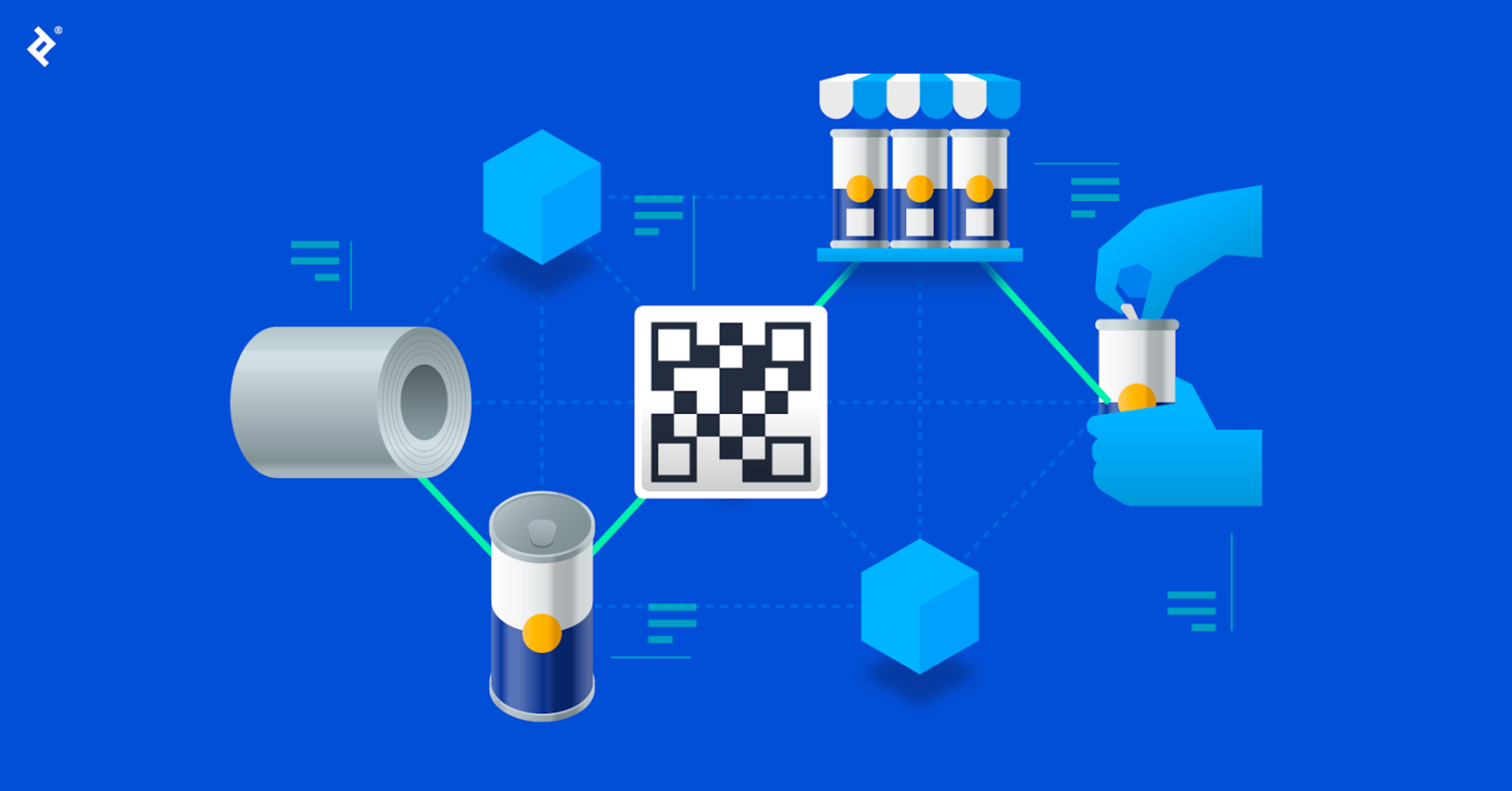
Traceability has become increasingly important, especially in sectors such as food, healthcare, and luxury goods where product authenticity and safety matter. Blockchain allows businesses to follow a product’s journey from raw materials to final delivery, creating a reliable digital history that cannot be easily changed.
In my view, this is one of blockchain’s strongest advantages because it helps companies respond faster when problems occur. For example, if contamination is detected in a food product, businesses can identify the exact source more quickly instead of recalling entire batches unnecessarily.
Security
Supply chains handle large amounts of sensitive information every day, including contracts, shipment records, and supplier data. Blockchain improves security by using cryptographic verification to protect information from unauthorized changes.
Unlike traditional databases that may rely heavily on a central authority, blockchain distributes records across the network, making data manipulation much more difficult. While no system is completely risk-free, blockchain offers a stronger layer of protection that many companies now see as essential in a digital-first business environment.
Efficiency
Another practical benefit of blockchain is improved operational efficiency. Many supply chain processes still depend on manual paperwork, repeated verification, and slow approvals between multiple parties. Blockchain can automate part of these workflows through smart contracts, reducing delays and minimizing human error.
How Blockchain Works in Supply Chains
Blockchain in supply chains works by recording every product movement in a shared digital ledger. Whenever goods are manufactured, shipped, stored, or delivered, new information such as location, shipment status, or delivery confirmation is added to the system. Because all authorized participants can access the same data, businesses can track products more accurately and avoid information gaps between different parties.
Before any record is stored, the network verifies the transaction through a consensus process to ensure the information is accurate. This creates a secure and tamper-resistant history of transactions that companies can rely on when managing suppliers, logistics, and inventory. In my opinion, this is especially valuable in global supply chains where delays and disputes often happen because data is inconsistent across different systems.
Blockchain can also support smart contracts, which automatically execute actions when specific conditions are met. For example, a payment can be released once a shipment is confirmed as delivered. This reduces paperwork, speeds up approvals, and helps businesses operate more efficiently without depending heavily on intermediaries.
Real-World Applications
Food Supply Chain
Food safety is a major concern for consumers and regulators. By implementing blockchain and the supply chain, companies can track food products from farm to table.
This allows for faster identification of contamination sources and reduces the impact of recalls. It also improves transparency, enabling consumers to verify the origin and quality of products.
Pharmaceutical Supply Chain
The pharmaceutical industry faces significant challenges related to counterfeit drugs and regulatory compliance. Using blockchain and the supply chain, companies can verify the authenticity of medications at every stage of distribution.
This ensures patient safety and reduces the risk of fraud. It also simplifies compliance with regulatory requirements by providing a clear audit trail.
Manufacturing and Logistics
Manufacturers depend on efficient supply chains to maintain production schedules. By integrating blockchain and the supply chain, companies can monitor shipments in real time and ensure timely delivery of materials.
This improves coordination between suppliers and manufacturers, reducing delays and improving productivity. It also helps identify bottlenecks and optimize logistics operations.
Retail and E-commerce
Retailers benefit from improved inventory management and customer trust. With blockchain and the supply chain, businesses can provide accurate product information and delivery updates.
This enhances customer experience and strengthens brand loyalty. It also reduces disputes related to shipping and product authenticity.
Benefits of Blockchain in Supply Chains
As supply chains become more complex and globalized, businesses are looking for technologies that can improve transparency, reduce delays, and strengthen operational efficiency. This is why many companies are exploring blockchain solutions to build faster, more secure, and more reliable supply chain systems.
Improved Trust
One of the biggest advantages of blockchain is the trust it creates between different parties in the supply chain. Since transactions are recorded in a shared and secure system, businesses can verify information more easily and reduce disputes over shipments, payments, or product origins. In industries where multiple suppliers and logistics providers are involved, having transparent data can make collaboration much smoother.
Cost Reduction
Blockchain can also help companies cut unnecessary costs by reducing paperwork, manual verification, and dependence on intermediaries. Instead of spending time reconciling data across different systems, businesses can access a single source of information. In my opinion, this is especially useful for global supply chains where delays and administrative processes often increase operational expenses.
Faster Transactions
Traditional supply chain processes can be slow because approvals and documentation often pass through several parties. Blockchain speeds this up by allowing transactions and smart contract processes to happen more efficiently. As a result, companies can shorten delivery times and respond faster to customer demand.
Better Risk Management
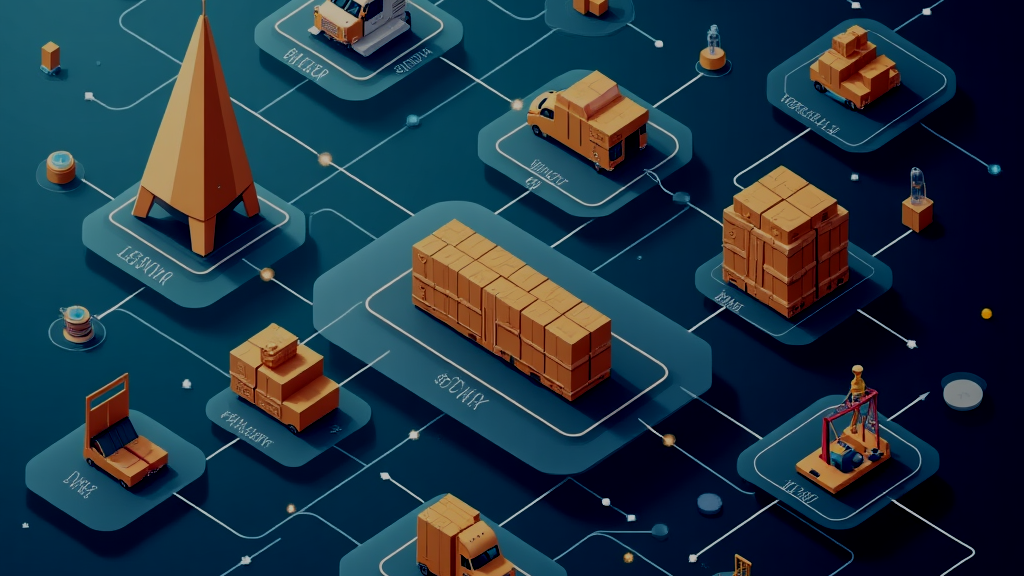
Supply chains are constantly exposed to risks such as shipment delays, supplier issues, or counterfeit products. With blockchain, companies can monitor product movements in real time and identify problems earlier. This makes it easier to react quickly and maintain more stable operations when unexpected disruptions occur.
Better Risk Management
Risk management is improved through enhanced visibility and real-time data. By integrating blockchain and the supply chain, companies can identify potential issues early and take corrective action. This reduces disruptions and ensures continuity of operations. It also improves resilience in the face of unexpected challenges.
Challenges of Blockchain in Supply Chains
While the integration of blockchain and the supply chain offers significant advantages, it also introduces a range of complex challenges that businesses must carefully address. These challenges are not only technical but also organizational and strategic, which makes implementation more difficult than it initially appears.
Scalability Limitations
One of the most critical challenges is scalability. As supply chains generate large volumes of transactions daily, maintaining performance can become a bottleneck when applying blockchain and the supply chain solutions.
Public blockchain networks often struggle with limited transaction throughput, which can lead to slower processing times. In high-demand environments such as global logistics, even minor delays can disrupt operations. Businesses must therefore consider hybrid or layer-based solutions to ensure that blockchain and the supply chain systems can scale effectively without compromising speed.
Integration with Legacy Systems
Most organizations already rely on legacy systems such as ERP and warehouse management software. Integrating these systems with blockchain in Logistics and Product Tracking infrastructure is often complex and resource-intensive.
Data formats, system architecture, and operational workflows may not align easily with blockchain technology. As a result, companies must invest in middleware solutions or redesign existing processes. Without proper integration, the benefits of blockchain and the supply chain may not be fully realized.
Data Accuracy and Input Reliability
Blockchain ensures that data cannot be altered once recorded, but it does not guarantee that the data entered is accurate. This creates a critical issue when implementing blockchain in Logistics and Product Tracking systems.
If incorrect or fraudulent data is entered at the source, it becomes permanently stored on the blockchain. This problem, often referred to as “garbage in, garbage out,” highlights the importance of reliable data input mechanisms. Companies must combine blockchain and the supply chain with technologies such as IoT sensors or verification processes to ensure data integrity from the start.
Regulatory and Compliance Complexity
Supply chains operate across multiple jurisdictions, each with its own regulatory requirements. Implementing blockchain in Logistics and Product Tracking solutions must align with these regulations, which can vary significantly between countries.
Issues related to data privacy, cross-border data transfer, and digital identity can complicate adoption. Organizations must ensure that their blockchain and the supply chain systems comply with legal frameworks, which may require ongoing adjustments as regulations evolve.
Stakeholder Adoption and Collaboration
A supply chain involves multiple stakeholders, including suppliers, logistics providers, and distributors. The effectiveness of blockchain in global logistics depends on widespread participation across this network.
However, achieving alignment among all parties can be challenging. Some stakeholders may resist adoption due to cost, lack of technical expertise, or concerns about data sharing. Without full collaboration, the value of blockchain and the supply chain solutions may be limited, as incomplete participation reduces transparency and efficiency.
Cost and Return on Investment
Implementing blockchain requires significant investment in infrastructure, development, and training. For many organizations, the cost of deploying blockchain and the supply chain solutions can be a barrier, especially in the early stages.
In addition, the return on investment may not be immediate. Businesses must carefully evaluate long-term benefits such as efficiency gains, reduced fraud, and improved trust. A clear strategy is essential to justify the adoption of blockchain in global logistics technologies.
Future Trends of Blockchain and the Supply Chain
As blockchain technology continues to evolve, new trends are shaping the future of supply chain management. These trends highlight how blockchain and the supply chain will become more integrated, intelligent, and scalable in the coming years.
Convergence with Artificial Intelligence
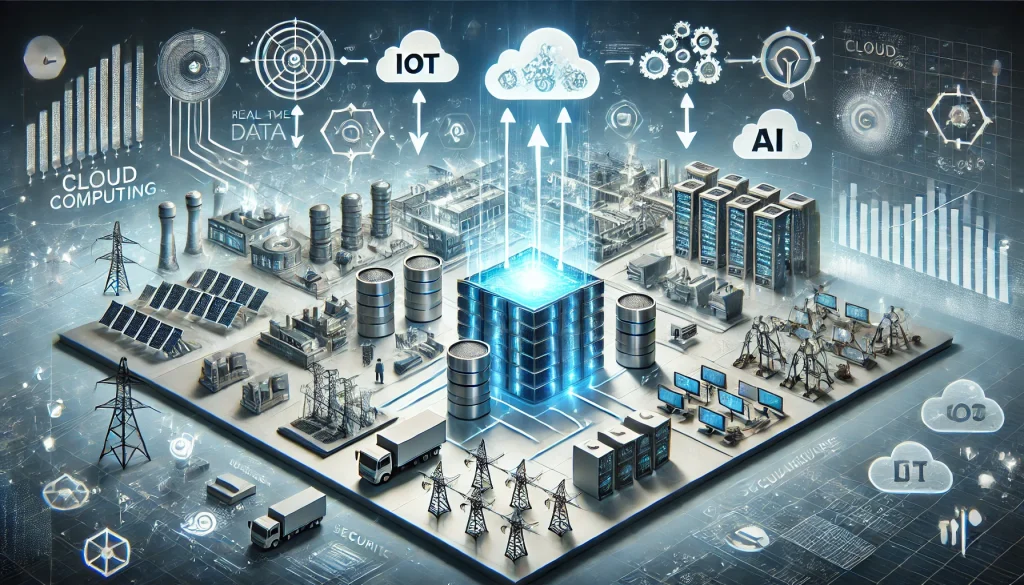
One of the most important trends is the integration of artificial intelligence with blockchain systems. By combining AI with blockchain in global logistics, organizations can enhance predictive analytics and automate decision-making processes.
AI can analyze large datasets generated by blockchain networks to identify patterns and optimize operations. This combination allows businesses to move from reactive to proactive supply chain management, improving efficiency and reducing risks.
Expansion of IoT-Driven Data
The Internet of Things is playing a key role in improving data accuracy within supply chains. When integrated with blockchain and the supply chain, IoT devices provide real-time data on product location, condition, and movement.
This creates a more reliable data ecosystem where information is automatically captured and verified. As a result, companies can reduce reliance on manual data entry and improve overall transparency.
Growth of Interoperability Solutions
As more blockchain platforms emerge, interoperability becomes essential. Future developments will focus on enabling different systems to communicate effectively, strengthening the role of blockchain and the supply chain across industries.
Interoperability solutions allow organizations to connect multiple blockchain networks, creating a more unified ecosystem. This will enable seamless data sharing and improve collaboration between stakeholders.
Rise of Sustainable Supply Chains
Sustainability is becoming a major priority for businesses and consumers. By using blockchain and the supply chain, companies can track environmental impact and ensure ethical sourcing practices.
This includes monitoring carbon emissions, verifying sustainable materials, and ensuring compliance with environmental standards. Blockchain provides the transparency needed to support these initiatives and build trust with consumers.
Increased Enterprise Adoption
More organizations are recognizing the value of blockchain in global logistics. As a result, the adoption of blockchain and the supply chain solutions is expected to grow significantly.
Large enterprises are investing in pilot programs and gradually scaling their implementations. This trend will drive innovation and create new opportunities for collaboration across industries.
Emergence of Decentralized Ecosystems
Future supply chains may evolve into fully decentralized ecosystems where participants interact directly without intermediaries. In this model, blockchain and the supply chain enable peer-to-peer collaboration and automated transactions.
Smart contracts will play a central role in these ecosystems by executing agreements automatically. This will reduce administrative overhead and improve efficiency across the entire supply chain network.
Conclusion
As supply chains become increasingly global and interconnected, businesses need technologies that improve visibility, security, and operational efficiency. Blockchain addresses many long-standing supply chain challenges by creating a shared, tamper-resistant record of transactions that enhances trust, traceability, and collaboration across multiple stakeholders.
While adoption still involves challenges such as scalability, system integration, regulatory compliance, and implementation costs, blockchain continues to mature alongside technologies like AI and IoT. Organizations that evaluate the right use cases and develop a clear implementation strategy will be better positioned to build more resilient, transparent, and future-ready supply chains.
Ready to Modernize Your Supply Chain?
Blockchain is only one part of a successful digital transformation strategy. At Varmeta, we help organizations evaluate emerging technologies, develop AI-powered solutions, and build intelligent business systems that improve operational efficiency and support long-term growth.
Contact Varmeta today to explore how AI, automation, and data-driven technologies can help transform your supply chain and logistics operations.
FAQs
1. What is blockchain in the supply chain?
Blockchain in the supply chain refers to using decentralized ledger technology to record and share transaction data across all participants. It creates a transparent, secure, and tamper-resistant record of product movement, making it easier to verify information and improve collaboration.
2. What are the main benefits of blockchain in supply chain management?
Some of the biggest benefits include improved transparency, better product traceability, enhanced security, reduced fraud, faster transactions, lower administrative costs, and stronger trust between suppliers, manufacturers, logistics providers, and retailers.
3. Which industries benefit the most from blockchain in supply chains?
Industries that rely heavily on traceability and compliance often gain the most value from blockchain, including food and agriculture, pharmaceuticals, manufacturing, retail, and logistics. These industries use blockchain to improve product tracking, verify authenticity, and streamline operations.
4. What challenges should businesses consider before implementing blockchain?
Organizations should consider scalability, integration with legacy systems, data accuracy, regulatory compliance, stakeholder adoption, and implementation costs. A successful deployment typically requires careful planning and collaboration across the entire supply chain ecosystem.
5. How will blockchain shape the future of supply chain management?
Future developments are expected to focus on integration with AI and IoT, greater interoperability between blockchain platforms, sustainability tracking, and broader enterprise adoption. Together, these trends will help organizations build more intelligent, automated, and resilient supply chains.