Digital voting is emerging as a cornerstone of modern democracy, offering the potential to streamline electoral processes and increase voter participation. However, despite its promise, digital voting faces critical challenges, including security vulnerabilities, a lack of transparency, and waning voter trust. Cyber threats and concerns over vote tampering have raised doubts about the reliability of existing systems.
This is where an enterprise blockchain development company plays a transformative role. By leveraging blockchain’s inherent qualities of decentralization, immutability, and transparency, these companies are pioneering secure and trustworthy digital voting platforms. Through their innovative solutions, enterprise blockchain development companies are addressing the most pressing concerns in digital voting and paving the way for a more secure and transparent democratic process.
Understanding digital voting
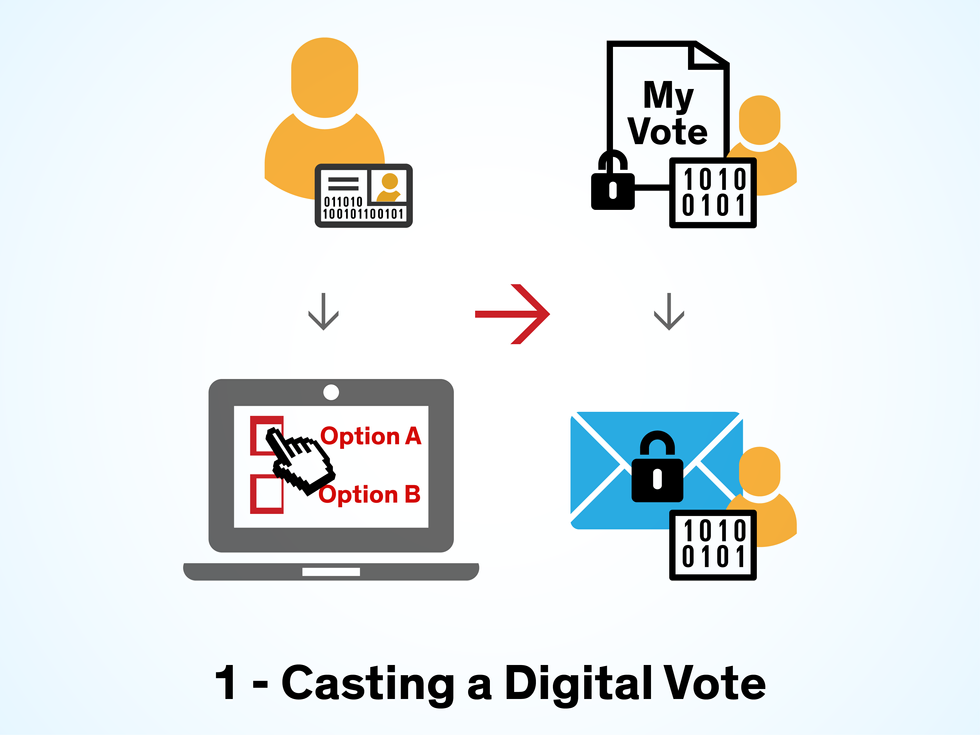
Digital voting refers to the use of electronic systems to facilitate casting, counting, and verifying votes in an election. It offers numerous advantages over traditional voting methods, including increased efficiency, accessibility, and inclusivity. Digital platforms streamline the voting process, enabling faster vote counting and real-time monitoring. Additionally, digital voting allows broader participation by accommodating remote and disabled voters, fostering a more inclusive democratic process.
However, traditional digital voting systems are not without risks. These systems often suffer from vulnerabilities such as hacking, vote tampering, and data breaches. Cyberattacks can compromise election integrity by altering vote counts or disrupting operations. Additionally, the lack of transparency in many digital systems raises concerns about trust and accountability.
Enterprise blockchain development company is uniquely positioned to address these challenges by integrating blockchain technology into digital voting platforms. Blockchain’s decentralized and secure architecture mitigates risks, ensuring that every vote is accurately recorded and verifiable while safeguarding voter data from breaches. Through their expertise, enterprise blockchain development companies are transforming the digital voting landscape to deliver secure and transparent elections.
How blockchain enhances digital voting
West Virginia blockchain voting pilot program
West Virginia blockchain voting pilot program
West Virginia made history as the first U.S. state to implement blockchain technology in a federal election. The initiative was designed to enable absentee voting for military personnel stationed overseas. Using the Voatz platform, voters securely cast their ballots through a mobile app, marking a significant step forward in digital voting.
How blockchain was utilized:
- Immutable ledger: Every vote was securely recorded on a tamper-proof blockchain, ensuring that the data remained accurate and unaltered.
- Decentralization: By distributing data across multiple nodes, the system eliminates vulnerabilities associated with centralized servers.
- Transparency with anonymity: Voters could verify their ballots without compromising their privacy, enhancing trust in the process.
- Smart contracts: Automated vote counting and verification ensured results were processed quickly and accurately.
This pilot showcased how blockchain can revolutionize elections by enhancing security, accessibility, and transparency. Enterprise blockchain development companies, such as those behind Voatz, were instrumental in designing and maintaining this innovative and reliable voting system, setting a precedent for future digital voting initiatives.
Real-world applications and success stories
In 2018, in the West Virginia midterm elections, blockchain technology demonstrated its potential through the use of the Voatz mobile app. This innovative system enabled 144 overseas military personnel and their families across 31 countries to cast their votes securely. Developed by enterprise blockchain experts at Voatz, the app ensured voter privacy, tamper-proof records, and a transparent electoral process marking a significant milestone in making digital voting both accessible and reliable.
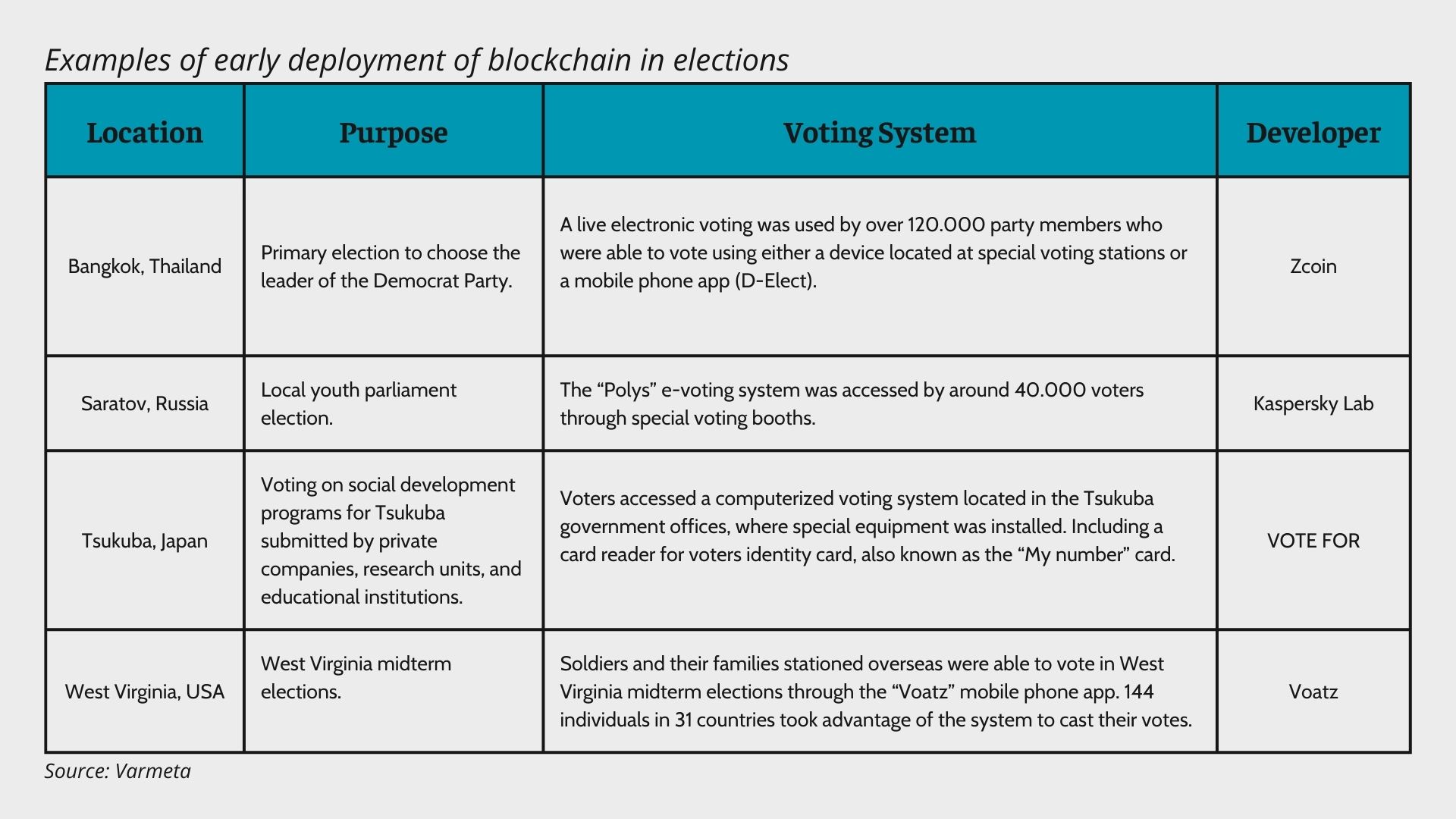
Source : Varmeta
Since then, the enterprise blockchain development company has continuously invested in research and development to create a fully optimized digital voting system. Their efforts aim to enhance security, scalability, and user accessibility, ensuring that digital voting evolves into a trusted cornerstone of modern democracy. On November 17, 2024, PANews shared information on the X platform stating that the US Department of Government Effectiveness (DOGE), led by Elon Musk, is exploring the implementation of a blockchain-based election platform.
This system, likely to be named ‘eVote’, aims to partner with various blockchain platforms, including X (formerly Twitter), Cardano, Hyperledger and Hedera, to establish an authentication solution, identity verification and electronic voting nationwide.
Advantages of blockchain in digital voting

Blockchain technology is redefining the future of digital voting, offering solutions to long-standing challenges like security risks, high costs, and low voter turnout. By partnering with an enterprise blockchain development company, governments and organizations can harness blockchain’s transformative potential to modernize elections.
Enhanced security and trust
Blockchain’s immutable ledger ensures every vote is securely recorded and tamper-proof, guaranteeing the integrity of election results. This transparency builds trust among voters, creating a reliable foundation for democratic processes.
Reduced costs compared to traditional elections
Traditional elections demand extensive resources from paper ballots to physical polling stations. Blockchain digitizes these processes, slashing operational expenses while maintaining robust security. An enterprise blockchain development company can implement scalable systems tailored to budget constraints, making advanced voting technology accessible even for large-scale elections.
Increased voter participation
Blockchain facilitates remote voting, enabling citizens to cast their ballots securely from anywhere without unnecessary obstacles. The implementation of digital voting also ensures fairness for individuals facing challenges in accessing or participating in in-person voting, such as expatriates, people with disabilities, and those in remote areas. This strengthens democratic participation, ensuring every voice is heard regardless of location.
Given the significant benefits of implementing digital voting, blockchain development companies should actively invest in research and collaborate with national and local governments to create election systems that leverage advancements in information technology, specifically blockchain. These efforts aim to make the voting process easier and more efficient, contributing positively to the establishment of a modern and equitable democracy.
Challenges and solutions
The integration of blockchain technology into digital voting presents transformative possibilities but also brings certain challenges that require thoughtful resolution.The enterprise blockchain development company plays a pivotal role in overcoming hurdles, ensuring blockchain-based voting systems are both secure and accessible.
High initial setup costs
A significant challenge lies in the substantial initial investment required to establish blockchain-based voting systems. These systems necessitate advanced infrastructure, secure software, and thorough testing, often posing financial strain on governments and organizations. However, enterprise blockchain development companies mitigate these concerns : Instead of building the entire system at once, these companies design solutions that can be implemented in stages.
For example, a voting system can start with basic features like secure voter registration and gradually incorporate more advanced functionalities such as real-time vote auditing or mobile voting. This step-by-step integration spreads out the costs, making it more manageable over time while still ensuring the system meets strict security and performance standards. This method not only reduces financial strain but also allows organizations to test and optimize each component before full deployment, ensuring a smooth transition to a blockchain-based system.
Technological literacy and accessibility
One of the major hurdles in adopting blockchain voting platforms is ensuring they are user-friendly, especially in areas with low technological infrastructure or limited digital literacy. To overcome this, enterprise blockchain development companies focus on creating simple, intuitive interfaces that anyone can navigate. These systems are built to work effortlessly across various devices and networks, removing barriers for users unfamiliar with technology.
Regulatory compliance
Navigating the complex web of election laws and regulations is a crucial challenge for digital voting systems. To address this, enterprise blockchain development companies work hand-in-hand with legal experts and regulators to design platforms that meet all compliance requirements. They incorporate features like tamper-proof records and auditable logs, ensuring transparency and accountability without compromising voter privacy. This collaborative approach not only builds trust with stakeholders but also paves the way for secure and legally sound digital voting systems.
Building trust among users
Many people are apprehensive, questioning the security, transparency, and potential for misuse. The enterprise blockchain development company addresses these concerns by focusing on transparency and user engagement. They design systems with real-time verifiability, allowing voters to confirm their ballots are securely recorded without exposing their identities. Additionally, these companies should conduct public pilot programs, showcasing the system’s reliability and security in action. This hands-on approach helps dispel skepticism and fosters confidence in blockchain-based voting as a trustworthy and robust solution.
Conclusion
Blockchain technology holds the potential to revolutionize digital voting by addressing long-standing challenges such as security vulnerabilities, lack of transparency, and limited voter trust. With features like immutable ledgers, decentralized architectures, and automated processes powered by smart contracts, blockchain ensures a democratic process that is not only secure but also transparent and efficient.
The expertise of an enterprise blockchain development company is instrumental in making this transformation a reality. These companies bring unparalleled knowledge in building scalable, tamper-proof, and user-friendly systems tailored to meet the demands of modern voting processes. Their ability to navigate technical challenges, ensure compliance, and foster public trust positions them as vital partners in the evolution of digital democracy.
As governments worldwide look to modernize their electoral systems, collaboration with an enterprise blockchain development company becomes essential. By working together, they can create a future where voting is accessible, secure, and reflective of the trust that citizens place in democratic institutions. This partnership not only paves the way for technological innovation but also strengthens the foundation of participatory governance in the digital age.