Generative Artificial Intelligence (Generative AI or GenAI) is revolutionizing the logistics and supply chain industry, unlocking new levels of efficiency, automation, and data-driven decision-making. A recent Gartner survey reveals that nearly two-thirds of supply chain leaders are either planning to implement this groundbreaking technology within the next year (50%) or have already integrated it into their operations (14%). This rapid adoption signals a major shift toward AI-powered logistics, where companies can streamline processes, reduce costs, and enhance overall performance.
In this article, we’ll dive deep into the transformative applications of Generative AI in logistics. From predictive analytics to autonomous supply chain management, discover how this cutting-edge technology empowers businesses to create smarter, more agile, and resilient logistics networks in an ever-changing world.
How generative AI works in logistics?

Generative AI is changing the game in logistics by making operations smarter, faster, and more efficient. But how exactly does it work?
At its core, Generative AI uses advanced machine learning models to analyze massive amounts of data, recognize patterns, and generate insights or even automate decision-making. Unlike traditional AI, which follows predefined rules, Generative AI can create new solutions, predict future outcomes, and adapt to ever-changing supply chain conditions.
Here’s how it plays a role in logistics:
- Predictive intelligence: AI analyzes historical data to forecast demand, optimize inventory levels, and reduce waste.
- Route optimization: AI-powered systems continuously adjust delivery routes based on real-time traffic, weather, and fuel efficiency data.
- Automated processes: From managing warehouse operations to generating shipping documents, AI reduces manual workload and speeds up operations.
- Smart decision-making: AI models suggest the best sourcing, pricing, and transportation strategies by analyzing vast data points in real time.
By integrating Generative AI into logistics, businesses can minimize inefficiencies, cut costs, and create a more flexible and resilient supply chain.
Use cases of generative AI in logistics

Generative AI is transforming logistics by making supply chains smarter, more efficient, and highly automated. From predicting demand to optimizing routes and managing warehouses, AI is redefining how goods move from point A to point B. Let’s dive into some of the most powerful applications of Generative AI in logistics.
1. Smarter supply chain optimization
Keeping the supply chain running smoothly is a constant challenge, but AI makes it easier by predicting demand and optimizing delivery routes in real time.
- Predictive demand forecasting: Generative AI analyzes historical data, market trends, and external factors (like weather and economic conditions) to forecast demand more accurately. This helps businesses prevent overstocking or stockouts, ensuring the right products are available at the right time.
- Dynamic route planning: AI-powered logistics platforms adjust delivery routes based on traffic conditions, fuel costs, and delivery schedules. This means fewer delays, reduced costs, and higher customer satisfaction.
2. AI-powered warehouse management
Warehouses are the backbone of logistics, and AI is making them more efficient than ever.
- Automated inventory tracking: AI-driven systems monitor stock levels in real time, reducing human error and ensuring seamless restocking. This minimizes delays and keeps warehouses running at peak efficiency.
- AI-driven layout optimization: By analyzing order patterns, AI suggests the best warehouse layout to improve workflow and speed up order fulfillment. This means faster deliveries and lower operational costs.
3. Autonomous logistics & transportation
Self-driving technology is reshaping transportation, and Generative AI is playing a key role in managing fleets and optimizing vehicle performance.
- AI-powered fleet management: AI helps logistics companies monitor vehicle performance, predict maintenance needs, and optimize delivery schedules, reducing downtime and fuel costs.
- Self-driving delivery solutions: From autonomous trucks to drone deliveries, AI is paving the way for a future where goods move with minimal human intervention, increasing efficiency and reducing labor costs.
4. Intelligent customer support
Customer service in logistics is evolving, with AI stepping in to provide instant, accurate, and personalized support.
- AI chatbots for real-time assistance: AI-driven chatbots handle customer queries, track shipments, and provide updates 24/7, enhancing customer satisfaction and reducing support costs.
- Automated document processing: AI automates paperwork like invoices, bills of lading, and compliance documents, eliminating manual errors and saving time.
5. Advanced risk management & fraud detection
AI helps logistics companies stay ahead of risks by identifying anomalies and predicting potential disruptions.
- AI-based anomaly detection: AI continuously scans for unusual patterns in supply chain operations, helping prevent fraud, cargo theft, and compliance violations.
- Predictive analytics for risk mitigation: AI assesses supply chain risks such as delays, supplier failures, and geopolitical issues, allowing businesses to take proactive measures before problems arise.
From optimizing supply chains to automating customer service, Generative AI is reshaping the logistics industry. Companies that embrace AI-powered solutions will gain a competitive edge, reduce costs, and deliver better experiences to customers.
Why generative AI is a game-changer for logistics: Key benefits

Generative AI isn’t just another tech trend, it’s a revolution in logistics. By leveraging AI-driven automation, real-time data analysis, and intelligent decision-making, companies can completely transform how they manage supply chains, warehouses, and deliveries. Let’s break down the biggest advantages of integrating Generative AI into logistics operations.
1. Boosting efficiency & productivity
In logistics, time is money. Delays, mismanagement, and inefficiencies can lead to skyrocketing costs and unhappy customers. Generative AI steps in to streamline operations, automating repetitive tasks and optimizing workflows.
- AI-powered route optimization ensures deliveries take the fastest, most cost-effective path.
- Warehouse automation eliminates manual stock tracking, reducing errors and improving order fulfillment speed.
- Predictive analytics help anticipate supply chain disruptions before they happen, keeping operations running smoothly.
By reducing human intervention in time-consuming processes, AI allows logistics teams to focus on higher-value tasks, driving overall productivity to new heights.
2. Cutting costs without compromising quality
Cost savings are a major reason why businesses are adopting AI in logistics. Generative AI helps companies maximize efficiency while minimizing expenses across multiple areas.
- Reduced fuel consumption through AI-optimized fleet management and route planning.
- Lower labor costs by automating inventory tracking, scheduling, and administrative tasks.
- Minimized waste by accurately forecasting demand, preventing overstocking and stock shortages.
By making smarter financial decisions, businesses can reinvest savings into growth, innovation, and customer service improvements.
3. Smarter, data-driven decision-making
Gone are the days of relying on gut feelings or outdated reports. With Generative AI, logistics managers can make real-time, data-driven decisions that optimize every aspect of the supply chain.
- AI analyzes vast amounts of data to predict risks, like supplier delays or weather-related disruptions.
- Automated problem-solving enables quick adaptation to changing market conditions.
- AI-driven procurement strategies ensure companies buy at the right time, from the best suppliers, at the best prices.
The result? Faster, more accurate decision-making that keeps businesses ahead of the competition.
4. Creating a more sustainable & eco-friendly supply chain
Logistics companies are under pressure to reduce their carbon footprint while maintaining efficiency. Generative AI makes this possible by enabling smarter, greener operations.
- Optimized delivery routes reduce fuel consumption and emissions.
- AI-driven inventory management prevents excess production and waste.
- Predictive maintenance keeps vehicles and equipment running efficiently, extending their lifespan and reducing unnecessary replacements.
By cutting energy waste and reducing the environmental impact of supply chains, AI helps logistics companies align with sustainability goals while maintaining profitability.
5. Delivering an unmatched customer experience
In today’s fast-paced world, customers expect speed, accuracy, and transparency in their deliveries. Generative AI enhances customer satisfaction by ensuring:
- Faster, on-time deliveries through AI-powered route planning and demand forecasting.
- Real-time tracking & updates, giving customers complete visibility over their shipments.
- AI chatbots and virtual assistants, providing instant, personalized customer support 24/7.
When logistics companies leverage AI to improve efficiency and accuracy, they build stronger trust and loyalty with their customers.
Generative AI is not just an innovation, it’s a necessity for logistics companies looking to stay ahead in a competitive market. From cutting costs and boosting efficiency to enhancing sustainability and customer satisfaction, AI is redefining the way goods move across the world.
The question is no longer if companies should adopt AI, but how fast they can implement it to gain a competitive edge. The future of logistics is intelligent, automated, and powered by Generative AI.
The roadblocks to AI-driven logistics
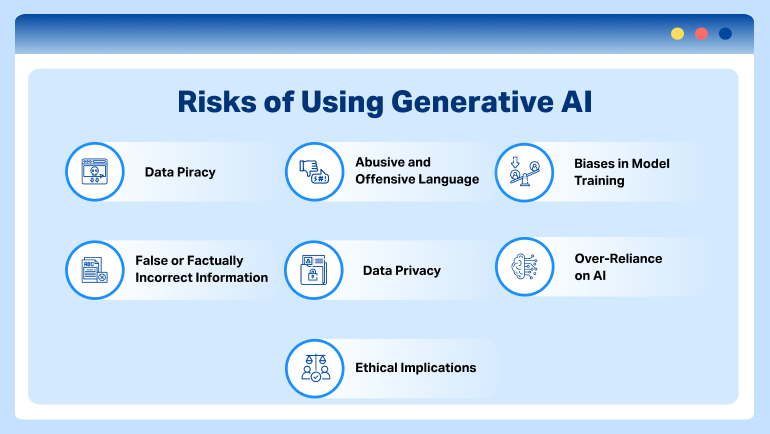
Generative AI has the power to revolutionize logistics, but like any groundbreaking technology, it comes with its own set of challenges. Businesses eager to embrace AI must navigate issues related to data security, system integration, and ethical concerns. Let’s take a closer look at these obstacles and why they matter.
1. Data privacy & security: The double-edged sword of AI
AI thrives on data. The more information it has, the smarter and more accurate it becomes. However, in an industry handling sensitive logistics and supply chain data including customer details, financial transactions, and shipment records data privacy and security are top concerns.
- Cybersecurity risks: AI systems, if not properly secured, can become targets for cyberattacks, exposing sensitive business and customer data.
- Data ownership issues: Many AI-powered logistics solutions rely on cloud-based platforms, raising questions about who truly owns the data and how it’s being used.
- Regulatory compliance: Companies must navigate an evolving landscape of data protection laws, such as GDPR, which enforce strict regulations on how customer data is stored and processed.
Businesses must invest in robust cybersecurity measures, encryption protocols, and AI systems that comply with international data protection standards. Partnering with trusted AI providers that prioritize data security is crucial.
2. Integration with existing logistics systems: The compatibility challenge
AI isn’t a magic fix, it needs to seamlessly integrate with existing logistics infrastructure to deliver real value. However, many logistics companies still rely on outdated legacy systems that weren’t designed to handle the complexities of AI.
- Legacy software & hardware limitations: Older systems may not have the capability to process real-time AI-driven insights or integrate with advanced automation tools.
- Scalability issues: AI requires vast amounts of data, but not all logistics networks are equipped to handle such high-speed, high-volume processing.
- Employee resistance & training needs: Implementing AI means change and change isn’t always welcomed. Many employees may struggle to adapt to AI-driven workflows, requiring extensive training.
Logistics companies should adopt a phased AI integration strategy, starting with small-scale AI-driven automation before upgrading core systems. Partnering with AI vendors that offer customizable and scalable solutions can also help ease the transition.
3. Ethical & regulatory considerations: AI’s moral dilemma
As AI takes on a bigger role in logistics, companies must address ethical concerns surrounding automation, workforce displacement, and compliance with industry regulations.
- Job displacement: AI-powered automation is reducing the need for human intervention in logistics, raising concerns about job security for workers in warehouses, customer service, and transportation.
- Bias in AI decision-making: If AI models are trained on biased data, they can make unfair or discriminatory decisions, potentially impacting supplier choices or delivery prioritization.
- Regulatory compliance: Governments are beginning to impose stricter regulations on AI-driven logistics, ensuring transparency, fairness, and accountability in AI-powered decision-making.
Companies must focus on AI-human collaboration rather than full automation, ensuring workers are retrained for higher-value roles. Additionally, AI models should be regularly audited to eliminate bias and maintain ethical standards.
Generative AI holds immense promise for the logistics industry, but unlocking its full potential requires careful planning, responsible implementation, and ongoing monitoring. From data security and integration hurdles to ethical concerns, logistics companies must take proactive steps to navigate these challenges.
The companies that tackle these roadblocks head-on will not only future-proof their supply chains but also set new standards for efficiency, security, and innovation in the AI-driven logistics era.
Conclusion
The logistics industry is on the brink of a major transformation, and Generative AI is leading the way. From predictive demand forecasting and automated warehouses to AI-driven fleet management and customer support, this technology is reshaping supply chains into smarter, more efficient, and highly responsive ecosystems.
We’ve explored how AI enhances efficiency, reduces costs, improves decision-making, supports sustainability, and elevates customer experiences. But while the benefits are undeniable, businesses must also address challenges like data security, system integration, and ethical considerations to successfully adopt AI-powered logistics.
Companies that act now will gain a competitive edge those that hesitate risk falling behind. AI isn’t just about automation; it’s about unlocking new possibilities, optimizing every aspect of the supply chain, and building a future-ready business.
So, the question isn’t whether AI will transform logistics, it already is. The real question is: Is your business ready to adapt and lead in the AI-driven era?