Real estate tokenization represents a groundbreaking shift in how assets are owned, traded, and managed.
It is worth mentioning that tokenization has existed on the blockchain almost from the very first days, and has always been considered with great hope. In its calculations, McKinsey gives an estimate that the value of all tokenized economic sectors will reach $5 trillion as early as 2030.
Real estate tokenization is predicted to be one of the key drivers of this growth. According to a BCG report, the tokenization of the real estate market was estimated to be worth $2.7 billion in 2022 and is expected to increase to as much as $16 trillion by 2030.
1. Understanding real estate tokenization
What is real estate tokenization?
Tokenization denotes the process of developing a digital version of a given asset on the distributed ledger technology. This includes but is not limited to, financial assets like bonds and shares respectively, assets in the form of physical art and buildings, and even Non-Physical Plants like personal identity and databases.
In the situation of real estate, tokenization refers to the process of taking a large portion of the property and dividing it into smaller fractions of which the automation of the systems that manage the properties is done using smart contracts. The very first thing that should be done is to divide the value accruing to an estate in regard to the desires of the respective owner. People can individually decide to buy those fractional tokens, or one person may buy those out.
The process of real estate tokenization
To tokenize a property, the real estate asset is first evaluated and its value determined. Next, the property is divided into several digital tokens that represent fractional ownership. Each token can then be traded on a blockchain platform, enabling liquidity and broader access to real estate investment.

Blockchain technology
Blockchain serves as the backbone of real estate tokenization. It provides a secure, transparent, and immutable ledger that records all transactions. This technology ensures that ownership details are tamper-proof and accessible, fostering trust among investors. According to a report by Deloitte, blockchain can reduce transaction costs by up to 30% in real estate transactions.
2. How does real estate tokenization affect communities?
Historically, people have viewed homeownership as a type of illiquid asset—one they can eventually capitalize on and sell, perhaps upon retirement or when choosing to downsize. The concept of using a home as a more liquid asset, where equity can be accessed almost like an ATM, contrasts with the traditional view of housing as a long-term security.
Currently, global real estate assets are valued at approximately $278 trillion, and this area has only begun to be explored. The evolution of this approach will likely unfold over the next 10 to 15 years. Additionally, every aspect of homeownership is expected to be tokenized, including property deeds. If ownership of every home in the country is rationalized, technically, there could be an opportunity for anyone to become a homeowner if they choose.
3. The role of AI and IoT in enhancing real estate tokenization
The benefits of tokenization are further amplified when integrated with advanced technologies like AI and the Internet of Things (IoT). AI can provide rapid analysis of extensive datasets, enabling more informed investment decisions and market insights. Meanwhile, IoT devices can offer real-time data on property conditions, enriching the information available to investors.
Improved investment decision-making
The adoption of AI in investment management helps in predictive analysis and risk management. Models based on machine learning examine past and current market trends, economic conditions, and asset prices to project future worth and uncover potential investment opportunities. Hence, such advances in technology allow investors to obtain information that is analytical and rational, preventing risks as much as possible and at the same time earning huge profits.

Automated compliance and fraud detection
In tokenized transactions, AI enhances automated compliance checks and fraud detection mechanisms. Machine learning-based systems, which observe transactions in real-time and look for suspect behavior or regulatory infringement, relieve a lot of work from the human auditors whose role is increasingly under threat. This boosts the trust in tokenized real estate property by decreasing the risks of possible fraud as well as the chances of complex regulatory compliance.
Efficient property management
With the incorporation of various IoT devices, it is possible to obtain an instant report on the state of a property in terms of how well it is maintained, and also how healthy the energy consumption is. This information improves asset management since it enables property owners to take the right steps toward tackling maintenance or improvements.
4. Case studies and examples
4.1. Propy
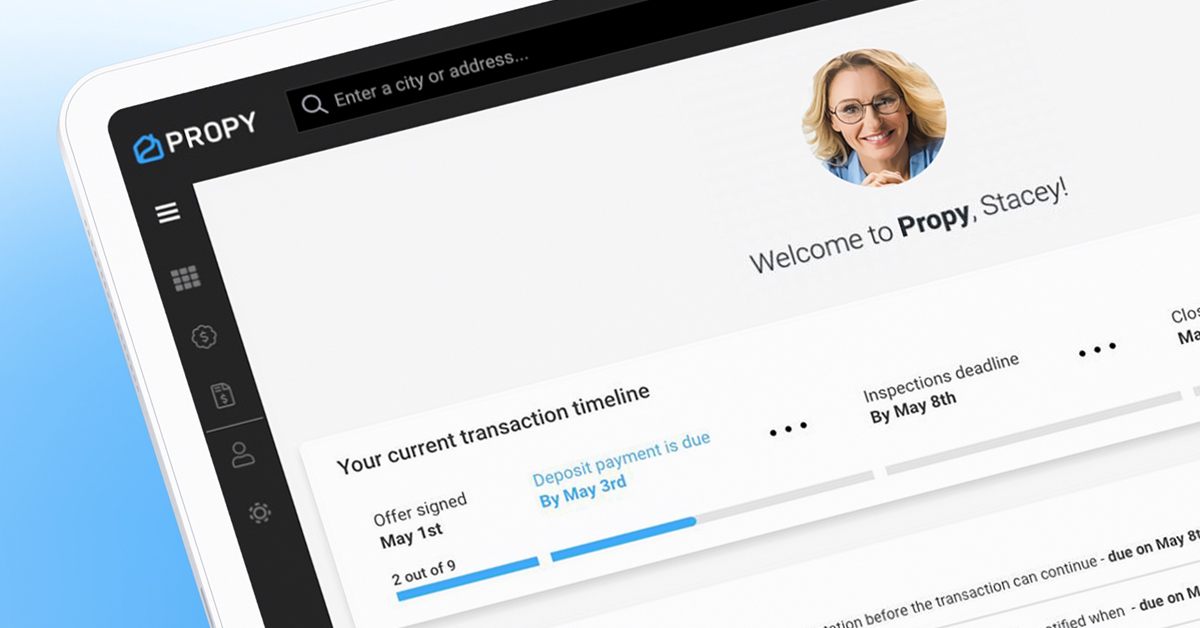
Propy is a real estate software platform that combines blockchain technology with AI to facilitate property transactions and tokenization. It uses AI to automate processes from property listings to final sales, continually evaluating properties to provide potential buyers with accurate and reliable data for informed decision-making.
4.2. Meridio
At Meridio, blockchain is employed for real estate tokenization, while AI enhances capital-raising efforts. By analyzing market data and property performance, AI provides traders with insights into potential returns and risks, utilizing technologies like optical character recognition (OCR) and automatic number plate recognition. This integration allows investors to buy and sell tokens based on ownership rights, streamlining real estate investments.

4.3. KLDX (Kapital DX)
KLDX (Kapital DX) is an innovative platform by Varmeta that serves as a registered Initial Exchange Offering (IEO) operator with the Securities Commission of Malaysia. It utilizes blockchain technology to democratize access to private market investments, which had traditionally been limited to institutions and high-net-worth individuals.
Recognizing the need for inclusivity, KLDX allows individual investors from various financial backgrounds to access private market opportunities and build diverse asset portfolios in a safe, regulated environment.

5. Recommendations in real estate tokenization for Stakeholders
How to invest in tokenized real estate properties
Investing in tokenized real estate involves several key steps. Start by researching the concept of tokenization and its benefits, such as lower entry costs and increased liquidity. Next, explore platforms offering tokenized properties, evaluating options based on location, potential returns, and market trends. Choose a reputable tokenization platform that complies with legal regulations and has a transparent process.
After creating an account and completing the necessary KYC requirements, fund your account using accepted payment methods, such as cryptocurrency or fiat currency. Once your account is funded, browse available properties and purchase tokens representing your fractional ownership. Regularly monitor your investments and stay informed about any fees associated with holding or selling tokens. Understand the exit strategy for liquidating your investment, including whether the platform provides a secondary market for trading tokens.
Choosing the right tokenization platform
Selecting a platform for Real Estate Tokenization is of the utmost importance. Verification that it meets all relevant legislation, has a sector good name and is an easy-to-use design. Consider the range, proportion, and type of assets offered and the costs incurred, the liquidity of the assets, which will ease the investment management processes.
The most critical will be the ones whose security systems are in place and have also given logistic support to the customers and where education has been available to boost on making decisions.
Risk management strategies
The investment in real estate tokenization presents its set of distinct risks which demand proper management. To reduce risk, it is recommended to invest in various properties located in various regions. Ensure due diligence is carried out on both properties and the actual tokenization platforms including their respective jurisdiction.
Also, assess the liquidity associated with your tokenized assets versus the trading volume of a particular assets trading platform, and the time frame that you are ready to wait to sell off your assets. It is critical to keep abreast of the changes in the law that can affect your business operations in your area of jurisdiction. Take the proactive step of forecasting future market conditions and property values for sound decision-making, looking into the limits of risk willing to take while undertaking a given investment, and make appropriate corrections to one’s investment portfolio whenever necessary.
6. Future outlook
The application of AI in real estate tokenization and other operational activities is still new and very limited, but it has high expectations. As AI technology matures, we should expect sophisticated products in asset valuation, funding quantification, and marketplace operation. In addition, the nexus between AI and blockchain will further enhance the tokenization process, hence improving the return on investment through real estate by making it less costly, less complex, and faster.
Conclusion
AI is changing the landscape of real estate tokenization by addressing transparency, efficiency, access, and risk management. Investment in AI will allow the real estate market to create more trustworthy and stable tokenized products, enabling easier access to property investments for everyone and changing the dynamics of the market. The future looks bright when the two technologies come together in the real estate industry for even better results than what is provided now if the relevant parties do not lag.