Malaysia Web3 Ecosystem: Southeast Asia’s Strategic Blockchain Powerhouse
Malaysia’s Web3 trajectory has long been overshadowed by its louder regional neighbors. However, beneath the surface, the Malaysia Web3 ecosystem is undergoing one of the most strategic and transformative evolutions in Southeast Asia.
Unlike the retail-driven “hype” seen in other markets, Malaysia’s growth is anchored by a unique hybrid foundation:
- Government-led digitalization through the Malaysia Digital (MD) framework.
- Enterprise modernization across traditional sectors.
- Regulatory clarity that attracts long-term institutional builders.
Today, the Malaysia digital asset market is moving beyond speculative trading. It is entering a high-utility phase where blockchain meets real-world use cases, from Shariah-compliant finance and Halal traceability to national-level digital identity. As we look toward 2026, Malaysia is no longer just an adopter; it is positioning itself to define its own category in the global Web3 landscape.
The Backbone of Malaysia web3 Market
In the volatile world of crypto, Malaysia’s “measured” approach has become its greatest strength. The Malaysia blockchain regulation environment is recognized as one of the most predictable in the region, providing a “safe harbor” for Web3 companies and institutional investors who prioritize long-term compliance over short-term gains.
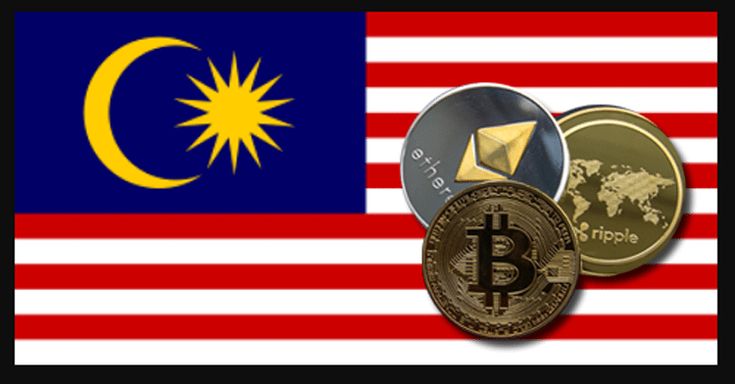
The ecosystem is governed by two primary pillars:
-
Securities Commission (SC) Malaysia: Starting in 2026, the SC has implemented a landmark shift, allowing licensed exchanges to independently approve token listings using their own governance processes. This modernizes the market and significantly shortens the time-to-market for new assets.
-
Bank Negara Malaysia (BNM): Beyond oversight, BNM’s participation in Project Dunbar and the completion of its domestic wholesale CBDC proof-of-concept by late 2025 have laid the groundwork for advanced digital settlement systems.
Malaysia Web3 key regulatory milestones:
- IEO Guidelines: Malaysia is among the few ASEAN nations with a legally recognized framework for compliant token-based fundraising.
- Public Sector Pilots: Beyond finance, government agencies like the Malaysian Palm Oil Board (MPOB) are now integrating blockchain for supply chain verification and Halal certification.
This shift from cautious oversight to proactive digital asset integration makes Malaysia one of the most strategically consistent blockchain hubs in the ASEAN region.
Malaysia Web 3 Adoption: From Islamic Finance to Supply Chains
The Malaysia digital asset market is now entering a phase of enterprise-driven acceleration. Malaysian corporations particularly in finance, logistics, telecom, and energy are beginning to integrate blockchain technologies at the infrastructure level. Unlike markets shaped by retail sentiments, Malaysia’s corporate Web3 adoption is characterized by feasibility analysis, compliance alignment, and long-term digital transformation goals.
Financial institutions are at the forefront. Major players such as Maybank, CIMB, and Hong Leong Bank have launched blockchain research units, experimented with cross-border settlement systems, and explored tokenization frameworks aligned with Islamic financial instruments. Malaysia’s status as a global leader in Islamic finance makes it uniquely positioned to pioneer Shariah-compliant tokenized sukuk, digital waqf, and programmable Islamic financial products a massive, largely untapped use case in the global Web3 landscape.
Malaysia’s telecommunications sector, led by firms like Axiata and Maxis, has shown strong interest in blockchain-enabled identity systems, decentralized data architecture, and IoT device authentication. This aligns closely with Malaysia’s 5G rollout and national digital infrastructure agenda.
Conglomerates in manufacturing, agriculture, and supply chain logistics are adopting blockchain for provenance tracking, anti-counterfeit safeguards, and export compliance especially in industries like palm oil, rubber, electronics, and Halal products, where global certification is critical.
Meanwhile, Malaysia’s entertainment and creative industries are exploring NFTs, fan-token utilities, and Web3-enabled creator monetization. Concert organizers, media houses, and esports organizations are integrating Web3 experiences to engage younger consumers and expand international reach.
Global investors are increasingly treating Malaysia as a cost-efficient, strategically located Web3 operating base. The combination of regulatory clarity, bilingual talent, competitive operating costs, and government digital incentives creates an ideal environment for Malaysia Web3 expansion across Southeast Asia.
Collectively, these shifts represent a critical turning point: Malaysia’s Web3 economy is no longer exploratory it is operational, commercially aligned, and structurally positioned for long-term growth.
Malaysia Web3 Mapping: Key Players in Malaysia’s Web3 Landscape
The Malaysia Web3 ecosystem has developed into a diverse, interconnected network of venture firms, developer studios, exchanges, government-backed digital initiatives, and enterprise blockchain solutions. This evolution reflects Malaysia’s commitment to building a digitally integrated economy supported by high-value applications.
Malaysia web 3 leading Venture Capital & Investment
Malaysiaư Web3 most prominent investors operate at the intersection of fintech, digital infrastructure, and Shariah-compliant innovation.
Kenanga Investment Bank, through its digital arm, has been exploring blockchain-enabled wealth management and digital trading platforms, contributing capital and institutional direction to the Malaysia digital asset market.
Cocoon Capital and regional VC firms active in Malaysia continue funding blockchain startups in infrastructure, DeFi, compliance tools, and real-world digital asset applications.
Additionally, Malaysia’s state-linked investment entities including Khazanah Nasional and MAVCAP have shown increased interest in digital innovation, indirectly stimulating Web3 adoption through digital economy investments.
Top Malaysia Web3 Infrastructure & Developer Studios
Malaysia’s rising Web3 engineering sector is anchored by developer studios deeply engaged in blockchain integration.
SettleMint Malaysia plays a vital role in helping enterprises deploy blockchain solutions across supply chain, fintech, and public-sector use cases. Its low-code blockchain platform accelerates real-world adoption for corporates seeking production-grade implementation.
Chainstack Malaysia, while global, supports the local developer ecosystem by providing multi-chain infrastructure, node hosting, and enterprise blockchain deployment tools.
Varmeta is a Vietnam-based tech studio delivering end-to-end solutions in Blockchain, AI, and App Engineering. From DApp development and smart contracts to LLM/GenAI integration, Varmeta bridges Web3 infrastructure with advanced analytics. Their app studio complements these services by designing high-quality, user-centric mobile and web interfaces for decentralized and AI-powered products.
Notable Web3 Projects and Market Players
Malaysia hosts a mix of consumer-facing and enterprise-grade blockchain initiatives:
- Luno Malaysia, one of the first regulated digital asset exchanges under SC supervision, plays a pivotal role in onboarding Malaysian users into the digital asset economy.
- MX Global, backed by Binance’s investment arm, is strengthening Malaysia as a compliant digital asset trading and liquidity hub.
This diversity of actors forms the foundational structure of the Malaysia Web3 ecosystem.
Why Malaysia web3 is the Next Big Opportunity for Investors
Malaysia’s emergence as an undervalued but high-potential Web3 economy presents significant opportunities for investors, builders, enterprises, and policymakers. The Malaysia blockchain market is positioned to capitalize on several strategic advantages.
First, Malaysia is uniquely suited to dominate Malaysia Web3 infrastructure including traceability, certification, and Shariah-compliant tokenization. No other country in ASEAN holds comparable institutional influence in the global Halal economy.
Second, Malaysia’s integration into cross-border CBDC projects and digital payment rails positions it to become a regional digital settlement corridor, especially for trade routes spanning Singapore, Indonesia, and the Middle East.
Third, enterprise adoption across logistics, manufacturing, energy, and agriculture creates sustained demand for Web3 integrations tied to real-world economic value, not just digital speculation.
Fourth, the Malaysia digital asset market maintains a large, youthful population highly receptive to Web3 gaming, NFTs, and creator-driven digital economies providing a robust demand layer for consumer-facing projects.
Finally, Malaysia’s stable regulatory foundation and maturing digital startups create strong incentives for foreign Web3 companies seeking an alternative ASEAN base with lower cost structures than Singapore but stronger compliance credibility than emerging markets.
Conclusion: Seizing the Malaysia Web3 Opportunity
The Malaysia Web3 ecosystem is no longer a hidden gem, it is a rapidly maturing market built on regulatory clarity and real-world utility. By 2026, Malaysia web3 is set to become a dominant force in the regional digital asset landscape, offering unparalleled opportunities for enterprises and builders alike.
Ready to scale your Web3 project in Malaysia and beyond? At VArmeta, we specialize in turning complex blockchain visions into market-ready realities. Whether you need robust Smart Contract development, AI-powered analytics, or a world-class DApp interface, our expert team is here to guide your digital transformation.