On July 31, 2025, Varmeta successfully hosted the flagship industry event “Digital Assets: Transforming Financial Markets” in Hanoi, bringing together leaders from banking, fintech, and technology across Vietnam and Asia. Against the backdrop of accelerating digital transformation, the forum explored how blockchain and tokenization are reshaping financial innovation, offering practical lessons from Malaysia, Thailand, and Hong Kong, while also looking ahead to Vietnam’s unique opportunities and challenges.
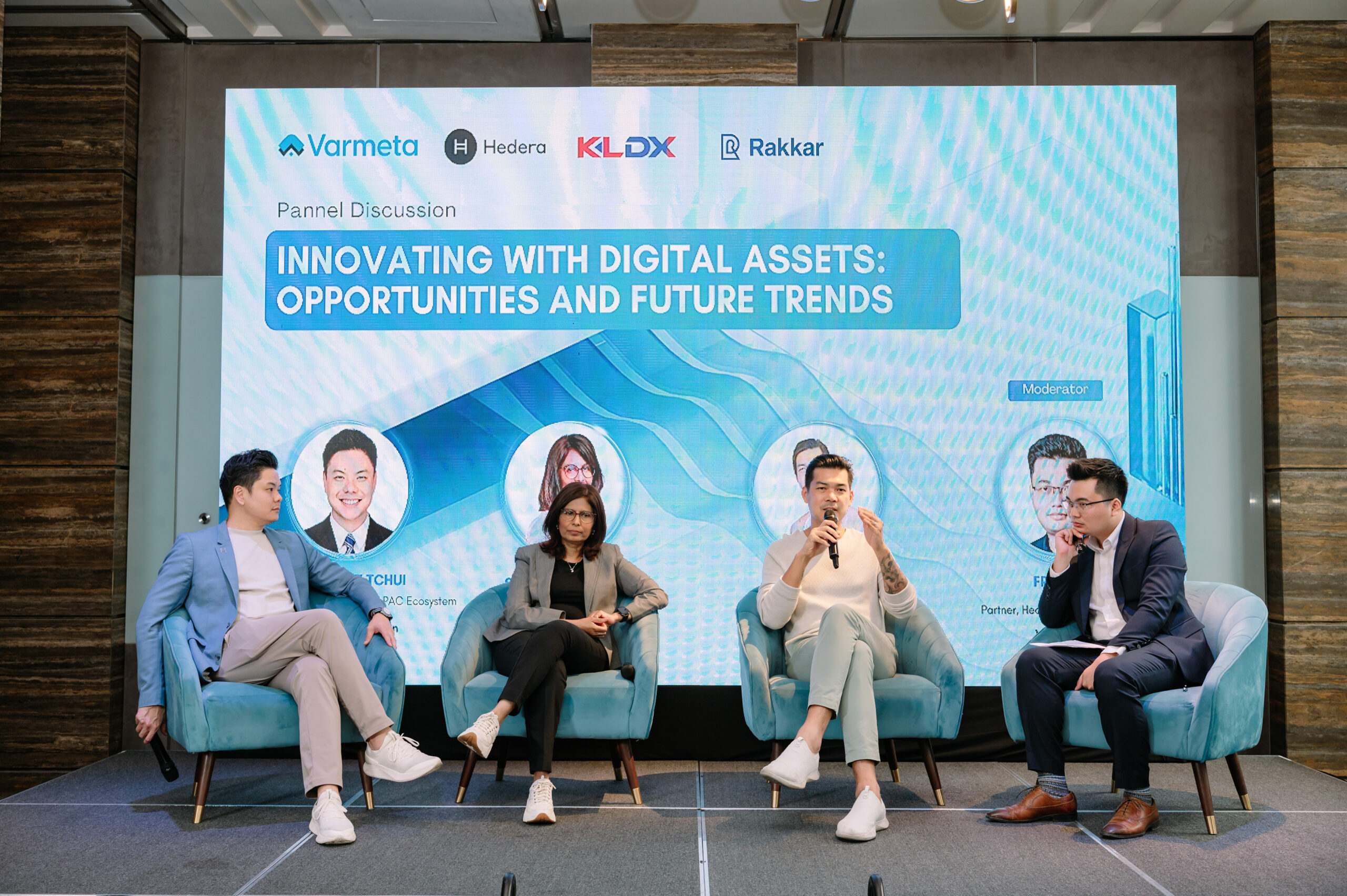
Event “Digital Assets: Transforming Financial Markets” in Hanoi (31/07/2025)
Blockchain payments: Practical use cases and policy insights

Mr. Jeffrey Tchui, Vice President & Head of APAC Ecosystem at the Hedera Foundation
One of the most compelling discussions came from Jeffrey Tchui, Vice President & Head of APAC Ecosystem at the Hedera Foundation, who shared his first-hand experience piloting blockchain-based stablecoin payments in Da Nang.
“The results were impressive, transaction speeds were extremely fast, and I was encouraged by how local technology firms are developing pilots for digital asset hubs,” he noted.
Jeffrey emphasized that blockchain adoption should focus on high-impact, targeted use cases rather than overly ambitious, large-scale projects. “Governments and banks should work closely with startups and technology firms to test and refine applications, do less, but do it right.”
He further suggested that once regulatory clarity is achieved, Vietnamese banks could actively participate in global blockchain networks. By operating validator nodes, they could both enhance transparency and strengthen Vietnam’s voice in the international digital asset ecosystem.
Thailand’s perspective: Blockchain for tourism and premium assets

Mr. Arthit Sriumporn, Founder & CEO of Rakkar Digital
From Thailand, Arthit Sriumporn, Founder & CEO of Rakkar Digital, shared insights into two practical applications of blockchain: investment products and consumer payments.
He pointed to an initiative enabling tourists to pay with stablecoins (USDT/USDC) that are converted directly into digital baht for local spending. “This improves payment convenience while protecting foreign reserves and ensuring exchange rate stability,” Arthit explained.
In addition, he highlighted Thailand’s strict custody model, requiring 90% of digital assets to be stored in cold wallets and only 10% in hot wallets to maintain liquidity. This framework both enhances security and satisfies stringent compliance requirements.
Arthit also described Thailand’s experiment with tokenizing luxury real estate, enabling investors to hold fractional ownership through tokens and receive income distributions. This model opens access to asset classes previously reserved for high-net-worth investors, signaling how tokenization can democratize investment opportunities.
Lessons from Malaysia: Tokenizing financial instruments
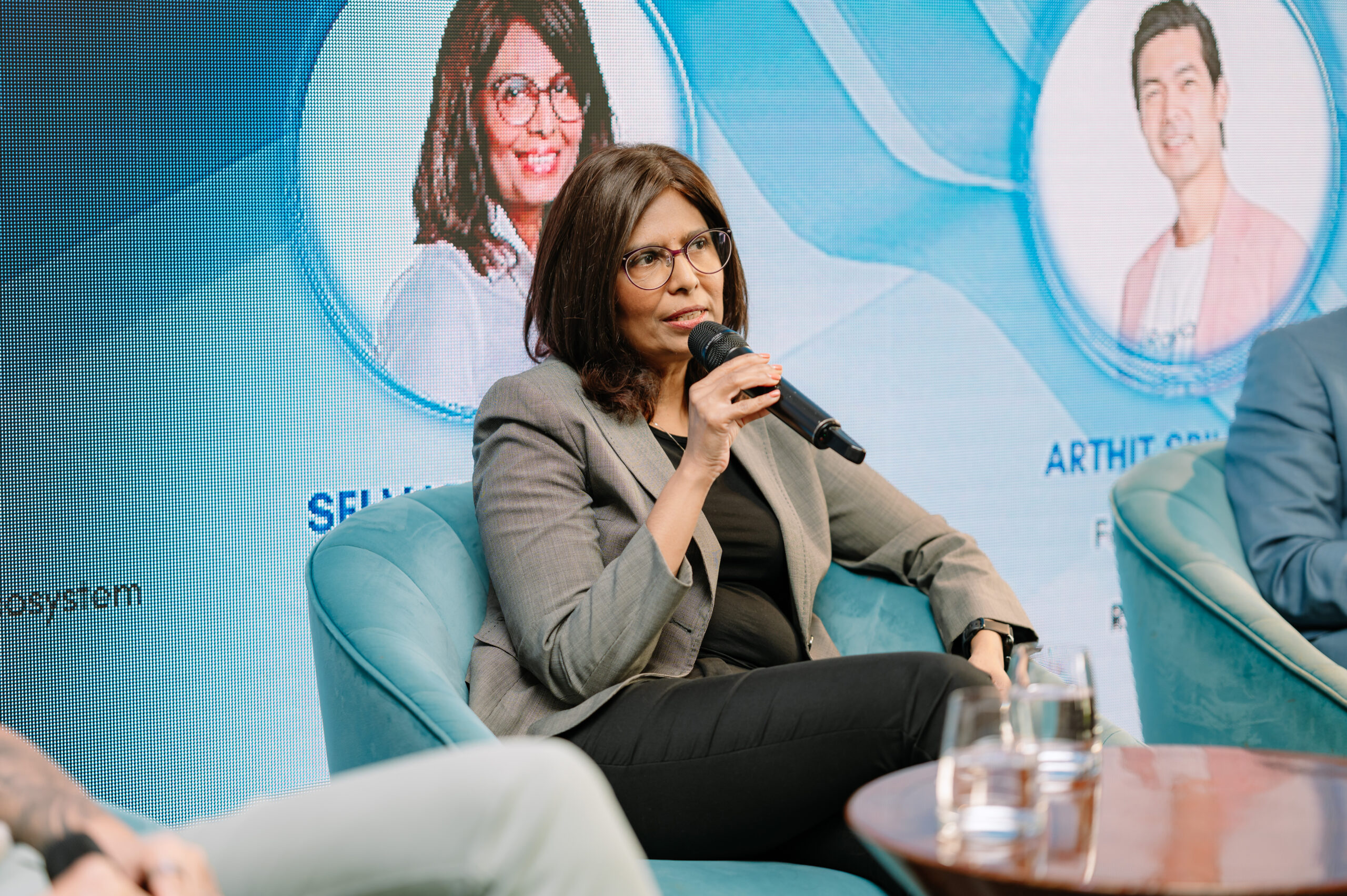
Selvarany Rasiah, Founder & CEO of Kapital DX (KLDX)
Selvarany Rasiah, Founder & CEO of Kapital DX (KLDX), presented Malaysia’s pioneering efforts in tokenizing bonds under the approval of the Securities Commission Malaysia.
“KLDX does not work in isolation,” she emphasized. “We collaborate with credit rating agencies and require issuers to publicly disclose reporting. This creates transparency and allows investors to directly access tokenized bonds in a way that is more efficient and inclusive than ever before.”
Malaysia’s model demonstrates how tokenization can extend beyond theoretical promise into regulated, real-world practice. For Vietnam, Selvarany suggested that financial instruments such as bonds, equities, and real estate are all strong candidates for tokenization. However, she cautioned that a clear, innovation-friendly regulatory framework is the prerequisite for sustainable market development.
Outlook for digital assets in Vietnam
While Malaysia, Thailand, and Hong Kong have already advanced practical implementations, what does the landscape look like for Vietnam?
In June 2025, Vietnam passed the Digital Technology Industry Law, officially recognizing digital assets in legislation, a landmark step in the country’s transition toward a digital economy. Many of Vietnam’s leading banks and financial institutions have already begun exploring blockchain applications, including cross-border payments, tokenized assets, and digital bonds, signaling growing relevance in the financial sector.
Yet, the journey toward widespread adoption remains in its early stages. Vietnam still faces open questions on scalability, interoperability, and regulatory clarity. Market readiness is also a key challenge: enterprises must move from pilot projects to production systems, while regulators and policymakers need to ensure both compliance and innovation.
The outlook, however, is promising. As Vietnam accelerates its digital transformation, collaboration among technology providers, regulators, and enterprises will be essential to unlock the full potential of blockchain and digital assets.
Key takeaways for Vietnam
The forum delivered a clear message: blockchain and digital assets are no longer distant “future technologies.” They are already being deployed across pioneering Asian markets. For Vietnam, the moment is pivotal.
- The regulatory foundation is now in place with the Digital Technology Industry Law.
- Global case studies offer proven models, from bond tokenization in Malaysia to digital currency applications in Thailand, that Vietnam can adapt.
- The opportunity window is open for banks, fintechs, and regulators to design practical, scalable, and transparent models tailored to the Vietnamese context.
In short, Vietnam stands at the threshold of turning ambition into execution. The challenge now lies in identifying feasible roadmaps and forging partnerships that can translate blockchain’s promise into tangible financial innovation.
Varmeta’s role in driving transformation
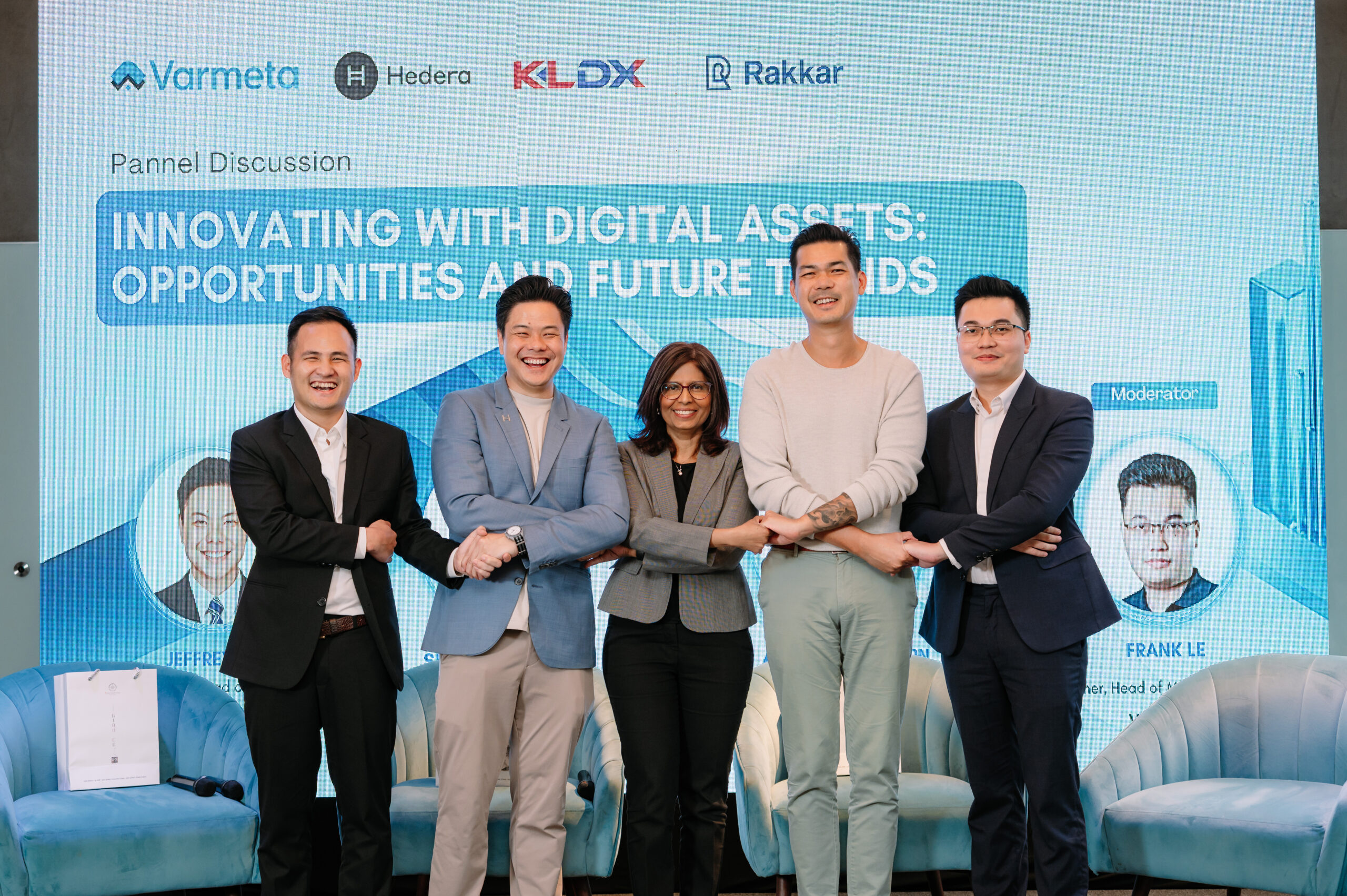
As the host of this event, Varmeta reaffirmed its position as a pioneering technology firm in Vietnam, specializing in Blockchain and AI. By convening international experts, regulators, and financial institutions, Varmeta is building bridges between Vietnam and the global digital asset ecosystem.
Beyond organizing discussions, Varmeta plays an active advisory role. With proven experience delivering blockchain solutions for global financial institutions, the company supports Banking, Financial Services, and Insurance (BFSI) organizations in deploying blockchain-based solutions on leading platforms such as Hedera, Aptos, and Sui.
This positioning allows Varmeta not only to track global innovation but also to help Vietnamese institutions adapt, localize, and execute. From real-world asset tokenization to blockchain payments and risk management solutions, Varmeta is enabling enterprises to move from exploration to execution with confidence.
Shaping the future of finance
The discussions at “Digital Assets: Transforming Financial Markets” underscored one central theme: trust. Whether in payments, custody, or tokenization, blockchain’s greatest contribution is creating systems where transparency, security, and accountability are built into the foundation.
Vietnam’s financial sector is now in a defining moment. By learning from regional experiences while crafting its own regulatory and business models, the country can establish itself as a credible hub for digital asset innovation in Southeast Asia.
With its role as a technology advisor and ecosystem builder, Varmeta is uniquely positioned to support this transformation. The company’s mission is not only to introduce advanced technologies but also to align them with Vietnam’s market realities, ensuring that innovation leads to adoption and adoption leads to impact.
As the event concluded, one message stood out: the journey of digital assets in Vietnam is just beginning, but with the right partnerships, the future of finance can be more inclusive, efficient, and globally connected than ever before.
Varmeta – Excellent in every block
Website: var-meta.com
Linkedln: https://www.linkedin.com/company/var-meta/