The gaming industry is undergoing a revolutionary transformation thanks to the integration of blockchain technology. At the heart of this transformation are smart contracts, which facilitate secure, transparent, and automated transactions within digital ecosystems. This article will explore the various smart contract use cases in gaming, with a focus on how they are intertwined with non-fungible tokens (NFTs), offering players true ownership of in-game assets and enhancing their gaming experiences.
In this article, we will cover the following aspects of smart contracts in gaming such as definition, benefits, and specific smart contract use cases in gaming, including NFT creation, asset management, and decentralized gaming experiences. This article will also guide you through the impact of NFTs on player ownership and engagement and the future outlook in implementing smart contract use cases in the gaming industry.
Understanding the Fundamentals of Smart Contract Use Cases
Definition of Smart Contracts
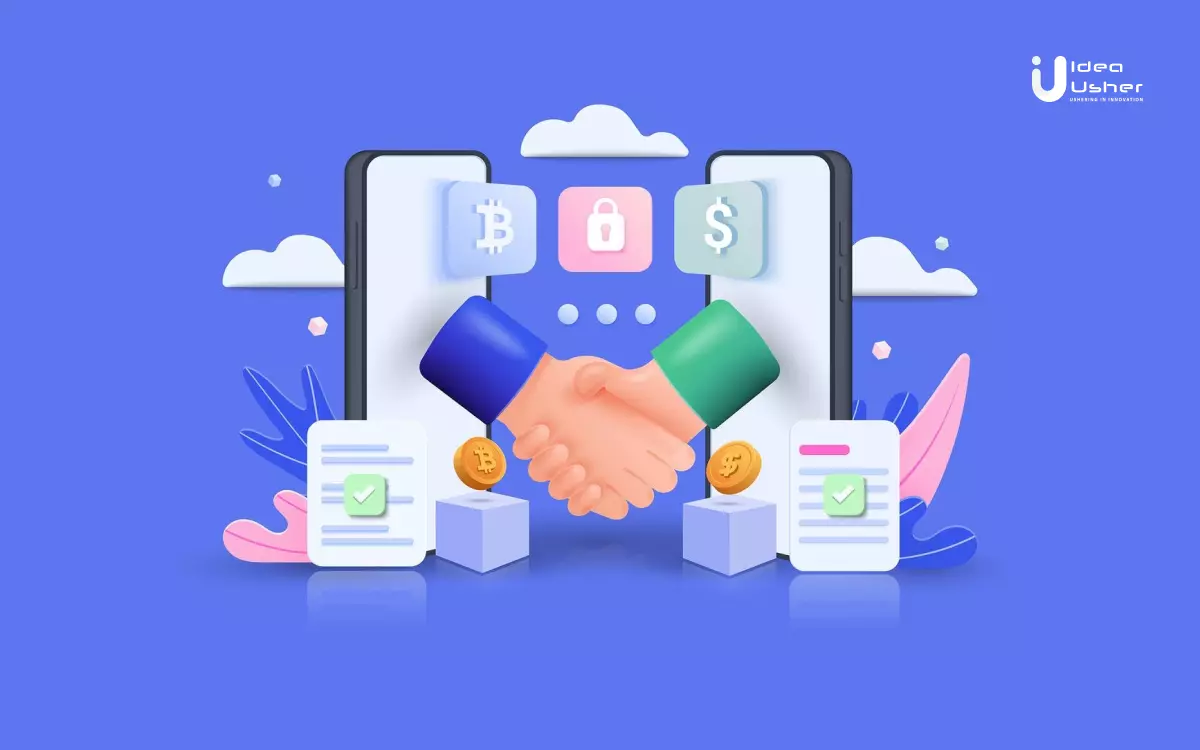
Smart contracts are self-executing contracts with the terms of the agreement directly written into code. The smart contract use cases run on blockchain platforms, ensuring that once deployed, they cannot be altered. This immutability guarantees that all parties involved in the transaction adhere to the agreed terms without the need for intermediaries, making them ideal for the gaming industry.
Benefits of Common Smart Contract Use Cases in Gaming
Smart contracts provide numerous benefits to the gaming industry, including:
- Transparency: Every transaction is recorded on the blockchain, making it easily verifiable by all parties.
- Security: The decentralized nature of blockchain technology reduces the risk of hacks and fraud.
- Efficiency: Automated execution of transactions eliminates delays and reduces operational costs.
These advantages stand out in smart contract use cases and make it an essential component of modern gaming ecosystems.
Smart Contract Use Cases in Gaming
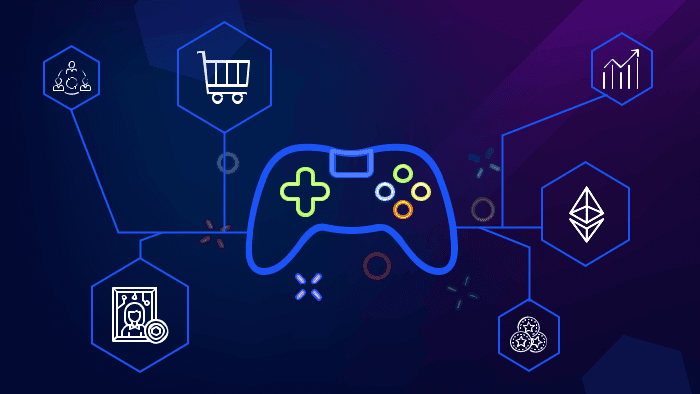
Smart contract use cases appear in various innovative ways within the gaming industry, revolutionizing the way games are developed, played, and monetized. Here are some notable use cases:
Creating and Trading NFTs
How Smart Contracts Enable NFT Creation
You can find in most smart contract use cases the creation of non-fungible tokens (NFTs) as the most fundamental. It represents unique digital assets within gaming environments. By leveraging smart contracts, developers can mint NFTs that encapsulate in-game items, characters, skins, and even entire virtual worlds. Each NFT is linked to a specific smart contract that governs its properties, ownership, and transferability.
This functionality allows for:
- Unique Ownership: Each NFT is distinct, meaning that players can own a one-of-a-kind item, enhancing the sense of individuality and investment in the game.
- Provenance Tracking: Smart contracts provide a transparent history of ownership and transaction records. Players can verify the authenticity and past ownership of an NFT, which is particularly important in high-value transactions.
- Interoperability: NFTs created through standardized smart contracts can often be used across different games and platforms, increasing their utility and value.
Managing In-Game Assets
Beyond the creation of NFTs, some smart contract use cases aim to streamline the management of in-game assets, ensuring that ownership and transfer processes are efficient and secure. This automation reduces the likelihood of disputes and enhances the overall player experience. Key benefits of smart contract use cases for asset management include:
- Automated Ownership Verification: Smart contracts automatically verify the ownership of digital assets, eliminating the need for third-party intermediaries. This guarantees that players have legitimate ownership of their items.
- Seamless Transactions: Players can trade, sell, or gift their in-game assets without delays. Smart contracts execute transactions instantly, allowing for real-time trading that mirrors the fast-paced nature of gaming.
- Enhanced Security: By utilizing blockchain technology, smart contracts provide a secure environment where asset transfers are protected against fraud and hacking attempts. Players can engage in transactions with confidence, knowing their assets are safe.
Enabling Decentralized Gaming Experiences
Decentralization in Gaming
Decentralized gaming refers to games that operate on blockchain networks, where control is distributed among players rather than centralized in the hands of a single developer or publisher. This model encourages community involvement and creates player-driven ecosystems. Key aspects of decentralized gaming include:
- Player Empowerment: Players have a direct voice in the development and evolution of the game. They can influence decisions regarding gameplay mechanics, storylines, and other significant aspects through community votes.
- Community-Driven Content: Decentralized gaming fosters an environment where players can create and contribute content, such as levels, characters, and quests. This collaborative approach can lead to richer, more diverse gaming experiences.
Role of Smart Contracts
Some smart contract use cases highlight its crucial role in facilitating decentralized governance by enabling players to participate actively in the decision-making process. They allow for:
- Voting Mechanisms: Players can vote on proposals regarding game updates, new features, and economic policies directly through smart contracts. This ensures transparency and fairness in the governance process.
- Dynamic Ecosystems: As players engage with the governance model, they contribute to a vibrant gaming community. The continuous feedback loop helps developers adjust the game based on player preferences, leading to a more satisfying gaming experience.
- Incentivized Participation: Many decentralized games use tokenomics to reward players for their involvement in governance. Players can earn tokens for voting or contributing to discussions, creating a sense of ownership and investment in the game’s future.
Smart Contract Use Cases by Varmeta
Gno Unity SDK
Var-meta’s Gno Unity SDK is an open-source platform designed to streamline the deployment of smart contracts on Gnoland’s blockchain, which operates similarly to Layer 1 solutions like Solana. This SDK provides developers with the essential “first-aid” tools and systems to integrate smart contracts seamlessly into their gaming projects for faster and more efficient coding.
By utilizing the Gno Unity SDK, game developers can create engaging games with robust economic systems. This integration enhances the gaming experience by ensuring that transactions are secure and efficient while building trust among players through transparent and immutable interactions. The Gno Unity SDK exemplifies how developers can leverage smart contracts to elevate their game design and operational workflows within the Unity environment.
The Impact of NFTs on Player Ownership and Engagement
Player Ownership of Assets
NFTs grant players true ownership of their in-game assets, which can be bought, sold, or traded freely. This ownership model contrasts sharply with traditional gaming, where players often invest time and money into assets they do not truly own. The ability to control their assets empowers players and enhances their overall gaming experience.
Enhancing Player Engagement
The combination of smart contracts and NFTs leads to more immersive gaming experiences. Players are more likely to engage with games that offer real ownership and the potential for financial returns. This engagement can result in longer playtimes, increased player retention, and a healthier gaming ecosystem.
Future Outlook of Smart Contract Use Cases in Gaming
Emerging Trends When Implementing Smart Contract Use Cases
As the gaming industry continues to evolve, several trends are emerging:
- Cross-Platform Asset Transfers: Players will increasingly be able to transfer assets between different games and platforms, enhancing the utility of NFTs.
- Play-to-earn Models: The rise of play-to-earn games allows players to earn real income through their gameplay, creating new economic opportunities.
- Metaverse Gaming: The development of interconnected virtual worlds will rely heavily on smart contracts to manage assets and interactions.
Potential Challenges Faced in Smart Contract Use Cases
Despite the numerous benefits, challenges remain in implementing smart contract use cases in gaming. These include:
- Scalability: As more players engage with blockchain games, the demand for scalable solutions will grow.
- Regulatory Concerns: The evolving regulatory landscape surrounding cryptocurrencies and NFTs may impact the development and operation of blockchain games.
Conclusion
The integration showcased in smart contract use cases and the importance of NFTs in the gaming industry are transforming how players interact with digital assets and each other. By offering true ownership, enhancing player engagement, and creating new economic opportunities, the technologies conducted in smart contract use cases are paving the way for a more decentralized and immersive gaming experience.
As the landscape evolves, it’s crucial for developers, gamers, and stakeholders to explore the potential in every smart contract use case and embrace the benefits of blockchain technology. The future of gaming is bright, and those who adapt to these changes will thrive in the new digital economy.