Introduction
The tokenization of assets is changing how we perceive property and investing in the present day. This revolutionary method makes it possible to turn real assets into virtual representations that exist as tokens on blockchain, franchises, and systems enabling investment in diverse categories, and improving liquidity, transparency, and reach in different industries. In this article, we will explore the concept of asset tokenization, its benefits, real-world applications, challenges, and future trends, providing a comprehensive overview of how this technology is reshaping industries.
1. Define the tokenization of assets
Understand the Tokenization of assets
We are talking about the process of transforming a physical or digital asset into a digital token on a blockchain. This means that a traditional asset class like real estate artwork or even shares in a company can be represented as a digitized version. Each of these tokens represents a percentage of ownership of the said asset, thus making it easy to exchange and manage.
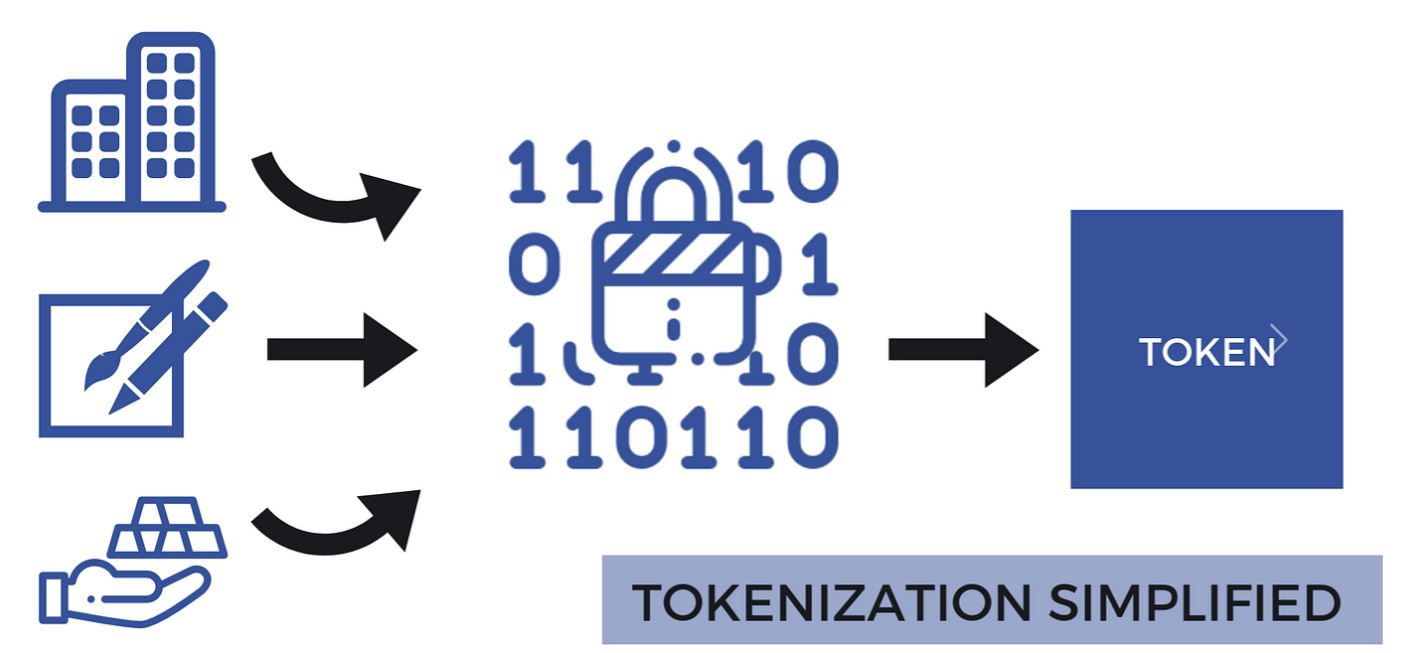
How does Tokenization Work?
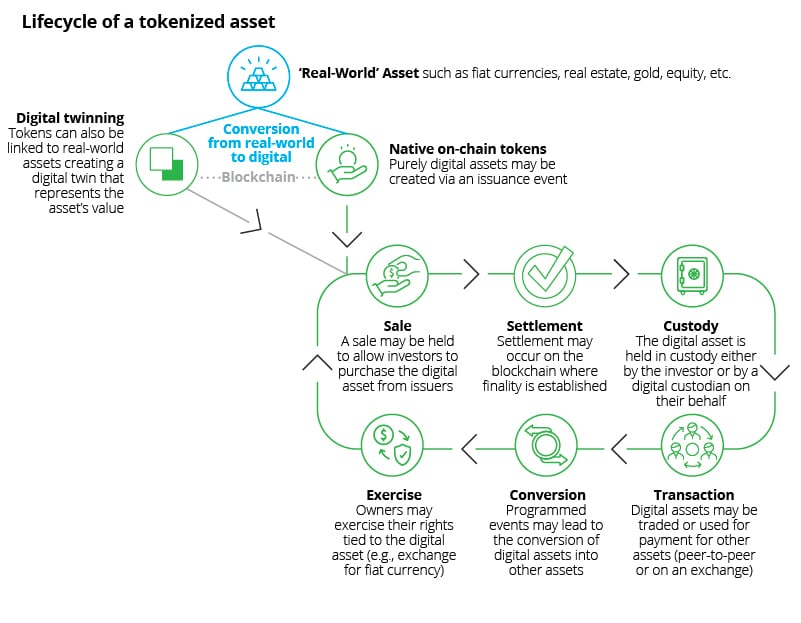
In the processes of ownership vertical segmentation, and asset owners’ registration, tokenization of assets enables using blockchain designed for creating and keeping an unchangeable record of ownership transactions. In this aspect, smart contracts act as the most vital component. They facilitate the process of dealing and guarantee that after certain conditions are satisfied, the dealings that involve the transfer of tokens will take place without anyone acting as a middleman.
Take the example of a building that has been tokenized; upon receipt of payment for the property, the smart contract will trigger the transfer of the property automatically updating the blockchain ledger to reflect the completed transaction. This not only simplifies matters but also improves confidence and security between parties.
2. Benefits of Tokenization of Assets
Transparency
The first thing worth mentioning is the upward trend in the clarity of technology. Blockchain technology provides an immutable record of ownership and transactions, allowing all parties to verify the history of an asset. Such a high degree of transparency in transactions minimizes the occurrences of theft and fraud, inspiring confidence in the marketplace, which keeps records of every detail that can never be modified after a transaction is completed.
Cost Efficiency
Tokenization of assets has the potential to lessen the, and sometimes even eliminate, transaction costs about the buy and sell of the assets. For example, covering brokers and banks means that fewer middlemen will be present, therefore leading to easier processes and lower transaction costs. Moreover, transactions do not have to take as long as they have been known to do in the past, as the technology involved in executing the transactions allows for the transfer of assets in almost real-time.
Liquidity
Misconceptions regarding the investment in art rely on its better redeemability with the use of tokens. Tokenization of assets makes it possible to own a fraction of a real estate instead of the full one by buying and selling partial shares of the property thereby increasing the liquidity of the investments. Thus investors are inclined to add or remove such investments in their portfolios with ease and are therefore readily offered to a larger segment of investors.
Accessibility
One of the most transformative aspects of the tokenization of assets is its ability to democratize investment opportunities. By lowering the minimum investment thresholds, tokenized assets allow individuals with limited capital to participate in markets that were traditionally exclusive to wealthy individuals or large organizations.
With tokenization, investors can own fractional shares of high-value assets like real estate, art, or commodities, making these opportunities accessible to a broader audience. This inclusivity fosters a more equitable and diverse investment environment, where people from various backgrounds can diversify their portfolios and engage with asset classes that were once out of reach.
The tokenization of assets not only broadens accessibility but also contributes to creating healthier financial ecosystems, empowering individuals and groups to explore new avenues for wealth creation and investment.
3. Tokenization of Assets Use Cases Beyond the Laboratory
NIKE made the smart move of purchasing RTFKT, which is a unique brand that specializes in digital assets and fuses culture with gaming. This highlights the role of tokenization of assets in creating new consumer experiences.
El Salvador was the first in the world to declare Bitcoin a legal currency. Mercedes-Benz announced Acentrik, an enterprise-level decentralized data exchange. BlackRock presented its initial blockchain-enhanced exchange-traded funds and crypto ETFs. Many state authorities have also begun to investigate the prospects of Central Bank Digital Currency.
These are only a few instances that acknowledge the influence of blockchain technology that has already penetrated into several sectors. And a lot of use cases still remain unexplored in:
Real Estate
There are already developed and functioning platforms where one can buy tokens symbolizing property ownership measured in fractional units for either commercial or residential real estate. This scenario facilitates liquidity and allows investors to spread their risk across different vehicles without the need for large amounts of money.
Art and Collectibles
Non-fungible tokens (NFTs) have brought a new horizon to the art industry as they help to tokenize artworks by serving as a digital verification tool of the presence of an artwork. This helps to sacramentally encapsulate the work of an artist to him or her and sell parts of it or even earn spoiled assets through smart contracts.
Financial Instrument
Reflected in finance too is the usage of tokenization in the issuance of stocks and bonds. Corporations can transform equities in real time to digital tokens that wipe away stress in buying and selling shares. This advancement will result in better capital markets where investments in markets will go beyond national borders and geographical barriers will not hinder possession of such markets by the investors.
Supply Chain Management
Tokenization of assets can also be useful in supply chain management by improving its visibility and traceability. Managing the delivery process or in other words, when goods are tokenized, even at the stages of their production completion, a company can manage and guarantee the delivery of the right products in the right quantities and at the right time.
While these examples highlight the current impact of tokenization of assets, its potential extends far beyond. Sectors like supply chain management, e-commerce, and healthcare are poised to benefit from tokenization, enhancing efficiency, security, and transparency. As this technology evolves, it is set to redefine how we perceive ownership, investment, and operational processes in the digital era.

4. The Risks and Challenges
Lack of Clear Policies
Tokenization of assets, in spite of the benefits it presents, is surrounded by many Insufficiencies in the regulations. Unclear policies may lead to hesitance for businesses to further engage in such technology. And different countries may treat and define the tokens differently which makes it difficult for business that involves signing and concluding agreements across more than one jurisdiction.
Security Threats
Though these assets rely on an inherently secure technology called blockchain, the tokenization of assets is still not free from perils. Curtailments such as security problems, cyber-attacks, or even poor-designed smart contracts present grave dangers. Therefore, it is of utmost importance to put up effective systems and carry out deep analyses of the designated smart risks.
Market Volatility
The advantage that cryptocurrency tends to suffer from a lot of fluctuations in price equally affects tokenized property. Investors should also know that there are expectations of such price changes even for short periods, which may impact how much an investor has and the prices of different tokenized assets. Such volatility may put off some investors especially those who are used to investing in more stable asset classes.
5. Future Trends in Tokenizing Assets
What to expect
In the foreseeable future, and especially within a five to ten-year period, it is expected that more assets will be put into the digital token. This expectation can be attributed to the growing embrace of blockchain technology, which is expected to come along with better regulatory practices. We can expect to see tokenization of assets reach out to even more types of assets including real estate and even commodities.
Technological Developments
The continuous evolution of blockchain technology and its supporting infrastructures is poised to significantly enhance the tokenization of assets. Transactions will be easier to carry out and the tokenized assets will have a bigger reach thanks to innovations like layer 2 solutions and interoperability protocols.
Role of Governments and Regulatory Bodies
Governments and regulatory agencies play a pivotal role in shaping the future of tokenization of assets. For instance, clear regulations will be paramount in building confidence and driving usage. Proposals such as the Markets in Crypto Assets (MiCA) regulation in Europe are examples of strides made toward regulating tokenized assets.
Tokenization in E-commerce and Retail
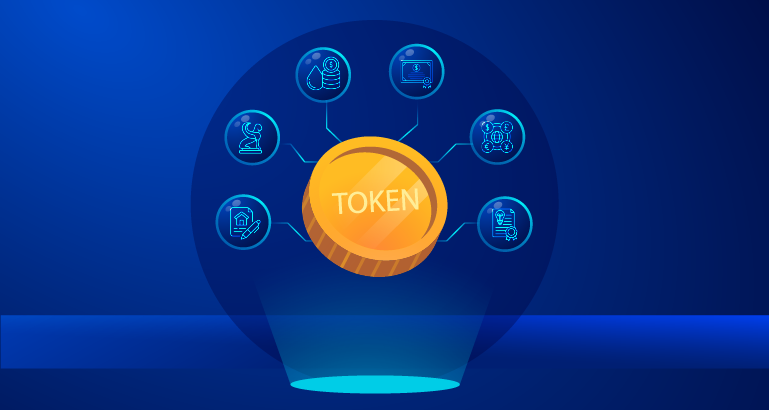
Tokenization is transforming e-commerce and retail by enhancing security, simplifying transactions, and fostering customer engagement through loyalty programs. It enables fractional ownership, promotes decentralized marketplaces, and improves supply chain transparency. With smart contracts automating transactions, retailers can boost operational efficiency and customer experience, gaining a competitive edge as the technology evolves.
Verdant Marketplace, developed by Var-Meta, is an NFT marketplace that tokenizes luxury products like whisky and gold. Customers trade using USDT, a tokenized currency equivalent to USD, facilitating seamless transactions. The platform features curated collections of verified assets, offering unique opportunities for collectors and investors in the tokenized asset market.
Conclusion
The tokenization of assets represents a groundbreaking evolution in ownership and investment during the digital era. Tokenization understands the need to accommodate various benefits such as improved efficiency, transparency, and liquidity, increased reach, and will therefore revolutionize financial markets in all sectors.
As different industries continue to embrace the concept of tokenization it is very important for all relevant parties to understand the dynamics of the terrain and what the challenges and opportunities will be. There is so much to gain by adopting this technology in the market; businesses and investors can find new ways of creating value and adjusting their business models.
Think about the changing tokenization of your industry or investment strategy. As this technology matures, it will be important to be proactive to take advantage of the opportunities offered by it.