Key takeaways:
- Dapps, or decentralized applications, operate on blockchain networks, offering transparency, user control, and enhanced security. They find applications in fields like finance, gaming, and supply chain management.
- Real-world examples of dapp development highlight successful strategies and solutions, providing valuable lessons for developers.
- With 10 million daily active wallets in Q2 2024, the dapp development market shows significant user growth, especially in social dapps and NFTs.
- Aavegotchi (Finance): Integrates DeFi with gaming, building a strong user community.
- Illuvium (Gaming): Uses play-to-earn models to create engaging blockchain games.
- VeChain’s ToolChain (Supply Chain): Leverages IoT and blockchain to enhance traceability.
Decentralized applications, or dapps, represent a transformative shift in how we interact with technology and finance. Built on blockchain networks, particularly Ethereum, dapps function similarly to traditional applications but operate without a central authority, offering enhanced security and user control. As the landscape of digital interaction evolves, understanding the significance and functionality of dapps becomes essential for developers and businesses alike.
What is a Dapp?
To fully appreciate the case studies, it’s important to start with a clear understanding of what dapps are. A decentralized application (dapp) is a software solution that operates on a blockchain network, rather than relying on centralized servers. This design ensures data integrity and user transparency. Key features of dapps include open-source code, smart contracts for automation, and decentralized data storage. Unlike traditional apps, dapp development focuses on creating interfaces that directly interact with blockchain networks, making transactions more secure and autonomous.
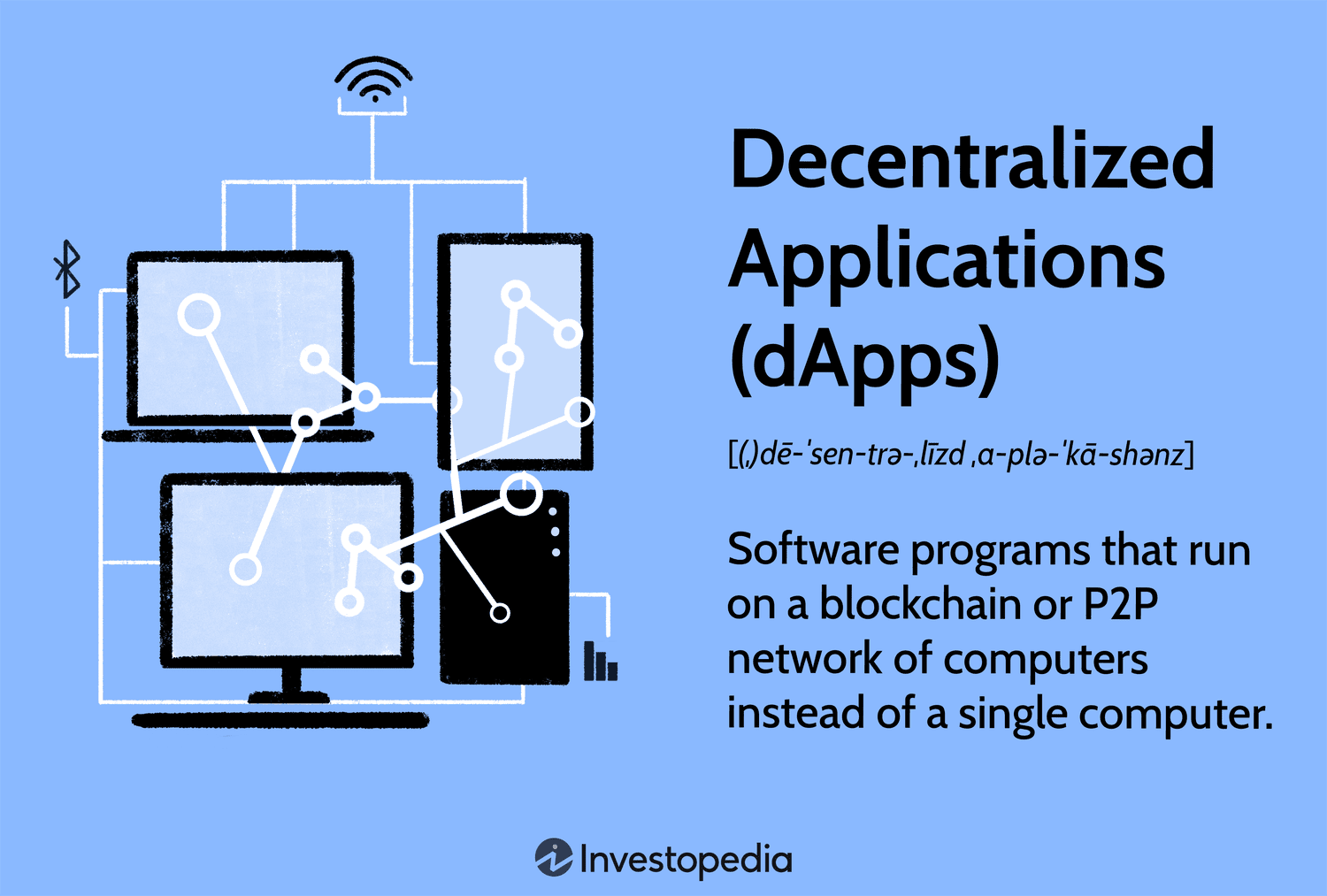
This fundamental structure of dapps allows for diverse applications, which we’ll see in the case studies below. But before diving into specific examples, let’s look at how the dapp development market has evolved, highlighting the demand for these decentralized solutions.
Current Dapp Market Trends
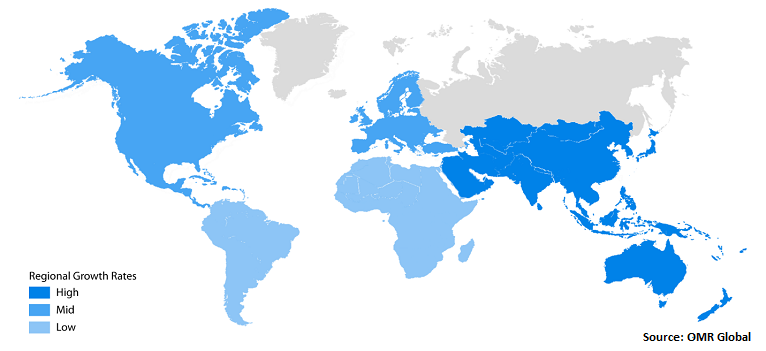
The dapp development sector experienced a robust expansion in Q2 2024. The number of daily Unique Active Wallets (UAWs) surged by 40% compared to the previous quarter, reaching 10 million daily users. This growth highlights the increasing interest in decentralized solutions across various sectors. The social dapp sector, in particular, saw a 66% jump in user engagement, reflecting the rising popularity of Web3 social platforms.
Meanwhile, the NFT market recorded $4 billion in trading volume, marking its best quarter since Q1 2023. However, the DeFi sector saw a 4% decrease in Total Value Locked (TVL), dropping to $168 billion, indicating a shift in user focus towards other blockchain activities like social and NFTs.
Understanding these trends provides context for the following case studies, showing how various dapps are navigating a dynamic market to achieve success in their respective fields.
Case Study 1: Finance – Aavegotchi
Company Profile: Aavegotchi is a DeFi-enabled NFT game developed by Pixelcraft Studios that integrates elements of decentralized finance (DeFi) into a gamified experience. Built on the Ethereum blockchain, it allows users to interact with unique NFT-based characters called Aavegotchis.
Implementation Details:
Aavegotchi’s dapp development stands out for its seamless integration of DeFi mechanics with gaming, attracting a unique user base of both crypto investors and gamers. The core of its success lies in its dual focus on financial rewards and engaging gameplay:
- DeFi Integration: Players stake Aave-backed aTokens to summon and interact with their Aavegotchi NFTs, which creates value through interest-bearing assets. This model not only incentivizes participation but also aligns with broader DeFi principles, making it appealing to users seeking both investment returns and entertainment.
- Play-to-Earn Model: Aavegotchi employs a robust play-to-earn ecosystem where players earn GHST tokens through various activities such as managing their Aavegotchis, participating in mini-games, or trading digital assets like wearables and virtual land in the game’s metaverse. This structure helps maintain user engagement while offering real economic benefits.
- Community-Centric Approach: Aavegotchi’s success is also driven by its focus on community and decentralized governance through AavegotchiDAO. The $30 million raised through its token sale highlights the trust and involvement of its user base, with funds supporting the project’s growth and user-driven decision-making.
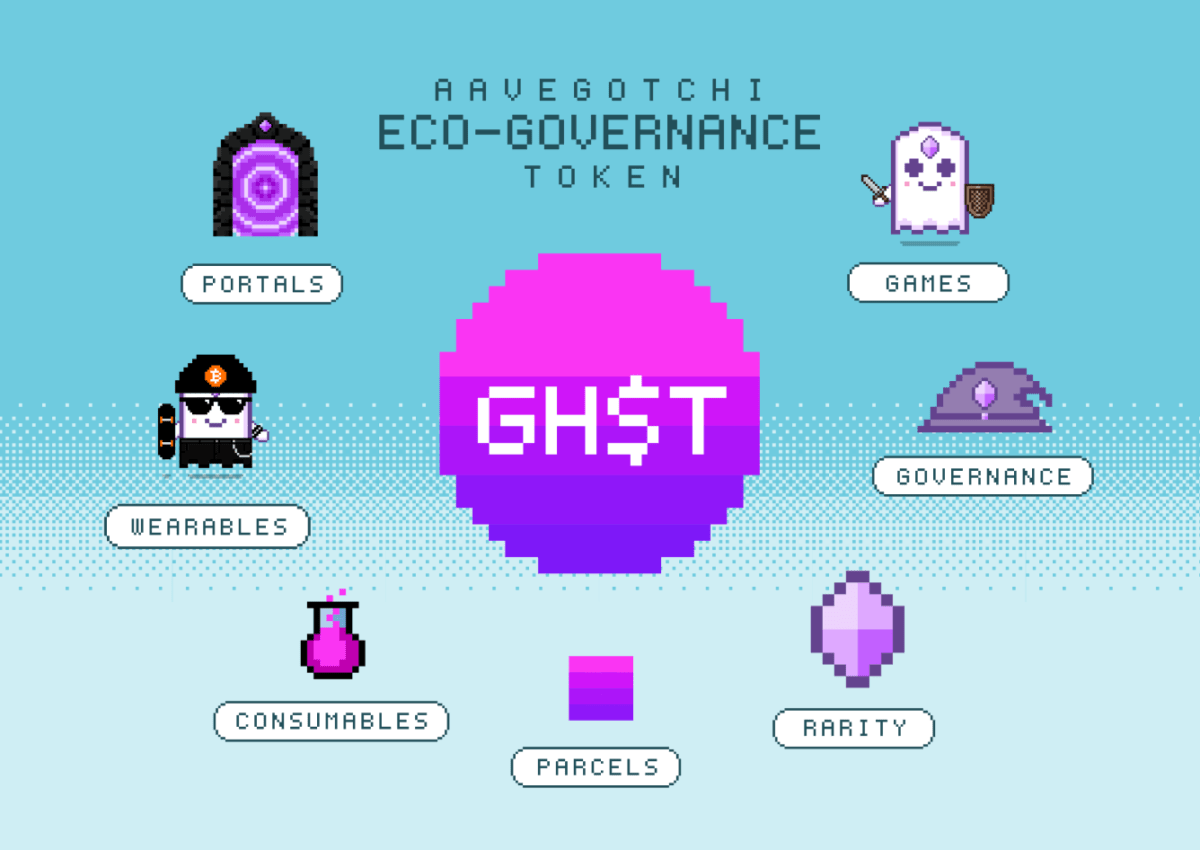
Why Aavegotchi Succeeded:
The key to Aavegotchi’s success lies in its ability to blend financial incentives with an enjoyable user experience. By integrating DeFi elements directly into its game mechanics, Aavegotchi created a compelling reason for users to invest time and resources. The community-driven governance model further solidified user loyalty, enabling the project to scale without relying on traditional investment models. This holistic approach to dapp development has made Aavegotchi a leading example in the space, demonstrating how DeFi and gaming can converge to create a sustainable ecosystem.
Case Study 2: Gaming – Illuvium
Company Profile:
Illuvium is a blockchain-based RPG developed by an Australian startup, led by Kieran Warwick. Often described as the “Pokémon of blockchain,” it offers an immersive open-world experience where players capture and train digital creatures called Illuvials, with each creature represented as an NFT.
Implementation Details:
- High-Quality Game Design and Visuals: Illuvium distinguishes itself with AAA-level graphics and an expansive open world. The game combines elements of exploration and strategic combat, giving players a familiar gaming experience while integrating blockchain-backed ownership. By prioritizing game quality, Illuvium appeals to both traditional gamers and the crypto-savvy.
- Play-to-Earn Model with Tangible Rewards: The play-to-earn mechanics in Illuvium allow players to earn real value through gameplay. By capturing and battling Illuvials, players can earn in-game assets, which are represented as NFTs and can be traded for Ethereum. This system enables players to monetize their efforts, blending fun gameplay with investment opportunities.
- Navigating the Skepticism: While many traditional gamers are skeptical about crypto, Illuvium has focused on building a bridge between the two communities. The game has embraced transparency, releasing detailed gameplay updates and engaging with users directly through platforms like Discord. Its presence on mainstream platforms, such as the Epic Games Store, demonstrates an effort to reach a broader audience.
Why Illuvium Succeeded:
The key to Illuvium’s success lies in its emphasis on gameplay first, with blockchain elements as a bonus. By offering high-quality visuals, engaging mechanics, and clear economic incentives, Illuvium has attracted a diverse audience. Its approach to dapp development balances the need for a fun, engaging game with the opportunities that blockchain offers, making it a leader in the evolving blockchain gaming space. The game’s ability to address community feedback and adapt its strategies has positioned it as a model for future blockchain-based gaming projects.
Case Study 3: Supply Chain – VeChain’s ToolChain
Company Profile:
VeChain is a blockchain platform designed to enhance supply chain management through decentralized applications (dapps). Its flagship product, ToolChain, allows businesses to create customized dapps for tracking and verifying product data throughout supply chains. The platform focuses on transparency, efficiency, and fraud reduction, using blockchain technology to deliver real-world solutions.
Implementation Details:
VeChain’s dapp development in the supply chain sector centers on utilizing blockchain for traceability and authenticity verification:
- Combining Blockchain and IoT: VeChain’s ToolChain integrates Internet of Things (IoT) technology with blockchain to ensure real-time data collection across the supply chain. Each product is tracked from its origin to delivery, with all data stored securely on the blockchain. This ensures that information about a product’s journey, such as storage conditions or handling, is tamper-proof and transparent to stakeholders.
- Tokenization and Sustainability: VeChain’s focus on tokenization allows businesses to represent real-world assets digitally, simplifying data sharing and automation via smart contracts. This approach not only increases transparency but also helps reduce inefficiencies in logistics and manufacturing. The platform is particularly geared towards sustainability efforts, helping companies reduce their carbon footprint by offering verifiable data on sustainable practices.
- Adoption Across Industries: VeChain’s ToolChain has been adopted by various sectors, including luxury goods, agriculture, and pharmaceuticals. For example, in the food industry, it ensures the authenticity and quality of ingredients, reducing instances of counterfeiting. By streamlining these processes, VeChain enables businesses to build trust with their customers through verifiable product information.

Why VeChain Succeeded:
The success of VeChain’s dapp development lies in its ability to address specific challenges in supply chain management, such as traceability and data transparency. By offering a scalable solution that combines IoT and blockchain, VeChain provides businesses with a practical way to improve efficiency and reduce risks associated with fraud. Its focus on real-world use cases and partnerships with industry giants has helped it gain a foothold in global supply chains, showcasing the tangible benefits of decentralized solutions.
Lessons Learned for Dapp Development
The case studies of Aavegotchi, Illuvium, and VeChain provide valuable insights into successful dapp development. While each project serves a different industry, they share strategies and best practices that can guide future initiatives:
- Focus on User Experience: Aavegotchi and Illuvium succeeded by delivering engaging and intuitive user experiences.
- Leverage Blockchain’s Unique Capabilities: Integrating features like NFTs, DeFi, and transparent data management can add substantial value.
- Build Strong Communities: Community-driven governance and active user engagement foster loyalty.
- Adapt to Challenges: Overcoming technical, regulatory, and market challenges is essential for sustainable growth.
Varmeta – Expertise in Dapp Development
At Varmeta, we bring a deep understanding of dapp development, from concept to deployment. Our team specializes in creating blockchain-based applications that cater to diverse industries, from gaming to supply chain management. Whether you’re looking to build a community-driven platform or improve transparency in your operations, Varmeta’s expertise ensures that your dapp development project achieves its full potential, tailored to your industry’s needs.
Conclusion
The future of dApp development holds immense potential, fueled by the rapid evolution of blockchain technology and its increasing adoption across industries. As blockchain networks continue to advance, dApps are expected to become more scalable, efficient, and user-friendly, addressing many of the limitations that currently hinder their mass adoption. Interoperability between blockchains will play a crucial role in creating a seamless ecosystem, allowing dApps to operate across multiple networks without friction. This will unlock new opportunities in sectors like finance, gaming, healthcare, supply chains, and beyond, paving the way for innovative applications that can transform these industries.
Furthermore, the integration of emerging technologies like AI, zero-knowledge proofs, and decentralized identity solutions will enhance the functionality and security of dApps, making them more appealing to both developers and users. Businesses that embrace these advancements will be well-positioned to create dApps that meet the growing demand for decentralized, transparent, and efficient solutions.
By leveraging blockchain’s strengths, businesses can develop next-generation dApps that not only provide value to their users but also foster trust and transparency in their ecosystems. Hopefully, after exploring the insights in this article, organizations and developers will have a clearer understanding of how to successfully build and deploy dApps, positioning themselves to thrive in the dynamic and ever-expanding world of blockchain technology.