AI applications in healthcare are no longer a futuristic concept; they are the engine driving a $56 billion medical revolution in 2026. From generative AI in drug discovery to AI-powered diagnostic tools, these technologies are fundamentally shifting the industry from reactive treatment to proactive precision medicine.
Today, hospitals and clinics are integrating machine learning and natural language processing (NLP) to outperform manual diagnostics, automate clinical documentation, and eliminate physician burnout.
In this comprehensive guide, Varmeta explores the top 7 high-impact use cases where AI is currently saving lives, reducing operational costs, and personalizing patient care at scale.
What is AI in healthcare?
AI in healthcare refers to smart computer systems that process vast amounts of medical data. These systems use machine learning to analyze health records, DNA, and patient vitals in real-time. Unlike static software, AI learns from patterns to provide accurate medical predictions.
Simply put, AI acts as a high-speed assistant for doctors and hospital staff. It automates repetitive paperwork and identifies hidden anomalies in medical imaging. By 2026, AI has become the backbone of proactive, data-driven patient care.

| Category | Key AI Application | Real-World Impact & Data |
| Diagnostics | Medical Imaging (X-rays, CT scans) | Reduces missed diagnoses (e.g., lung embolisms) from 44.8% to 2.6%. |
| Admin | Automated Clinical Documentation | Cuts administrative tasks by 50% and reduces doctor burnout. |
| Surgery | Surgical Robotics | Market growing from $5B to over $20B by 2030. |
| Pharmacy | AI Drug Discovery | Identifies new drug hits across trillions of compounds in record time. |
| Operations | Smart Scheduling | Can boost hospital productivity by 40% and patient satisfaction by 60%. |
| Economics | Revenue Growth | Potential to generate up to $260 billion in annual value for healthcare. |
How Does AI Work In Healthcare Today?
To understand AI’s role in 2026, we categorize these applications into three functional areas:
- Machine Learning (Analytical AI): This technology powers predictive analytics. It forecasts patient risks for conditions like sepsis. It also identifies effective drug compounds in genomic research.
- Computer Vision (Diagnostic AI): This acts as the “eyes” of the medical system. It analyzes X-rays, MRIs, and CT scans with extreme precision. It helps radiologists spot early-stage tumors faster.
- Natural Language Processing (Operational AI): NLP understands and generates human speech or text. It powers AI scribes that document doctor-patient conversations. This significantly reduces administrative burnout for clinicians.
By 2026, AI shifts healthcare from reactive care to proactive precision medicine. For providers, this results in higher ROI and better patient outcomes. For patients, it means faster diagnoses and treatments tailored to their DNA.
=> Read more: What is Predictive AI? How It Transforms Raw Data into Strategic Foresight

Top 7 Key AI Applications in Healthcare 2026
The following AI applications in healthcare represent the most significant shifts in modern medicine. These AI-driven healthcare solutions are currently transforming how clinics operate and how patients receive treatment.
1. AI in Medical Imaging & Diagnostics
AI applications in healthcare have made their biggest impact in medical imaging. Computer systems use deep learning to analyze X-rays, MRIs, and CT scans. These tools help doctors find tiny tumors or brain bleeds faster than humans. In 2026, this technology is a standard part of global diagnostic workflows.
The primary benefit is a “second pair of eyes” that never gets tired. For instance, AI can analyze a stroke scan in under one second. In lung cancer cases, these systems reduce missed signs by 5%. This speed allows for immediate treatment, which saves lives in emergency rooms.
A famous example is the IDx-DR system. This was the first AI authorized to make screening decisions independently. It analyzes retinal images to detect eye disease in diabetic patients. This technology prevents blindness and reduces the workload for busy eye specialists.

2. Predictive Analytics & Early Disease Detection
Predictive analytics is one of the most vital AI applications in healthcare today. AI looks into the future by analyzing heart rates and blood pressure. It can predict patient deterioration up to 48 hours before it happens. This shift prevents crises and could save the industry $150 billion annually.
These systems are essential for managing silent killers like sepsis. For instance, AI finds hidden patterns in standard heart tests. It identifies stroke or heart failure risks with over 85% accuracy. When AI sends a warning, nurses can provide oxygen or medicine early. This increases survival rates by over 20%.
3. Personalized Medicine & Precision Treatment
Personalized medicine uses AI to create unique treatment plans for every individual. Instead of standard doses, AI analyzes your DNA and medical history. This approach reduces adverse side effects by 30%. It also makes treatments like chemotherapy significantly more effective.
In cancer care, AI is a total game-changer. It combines tissue samples with genetic data to predict drug responses. Doctors now use “Digital Twins” to simulate surgeries or medications first. This virtual testing ensures the real procedure is safe and highly effective.
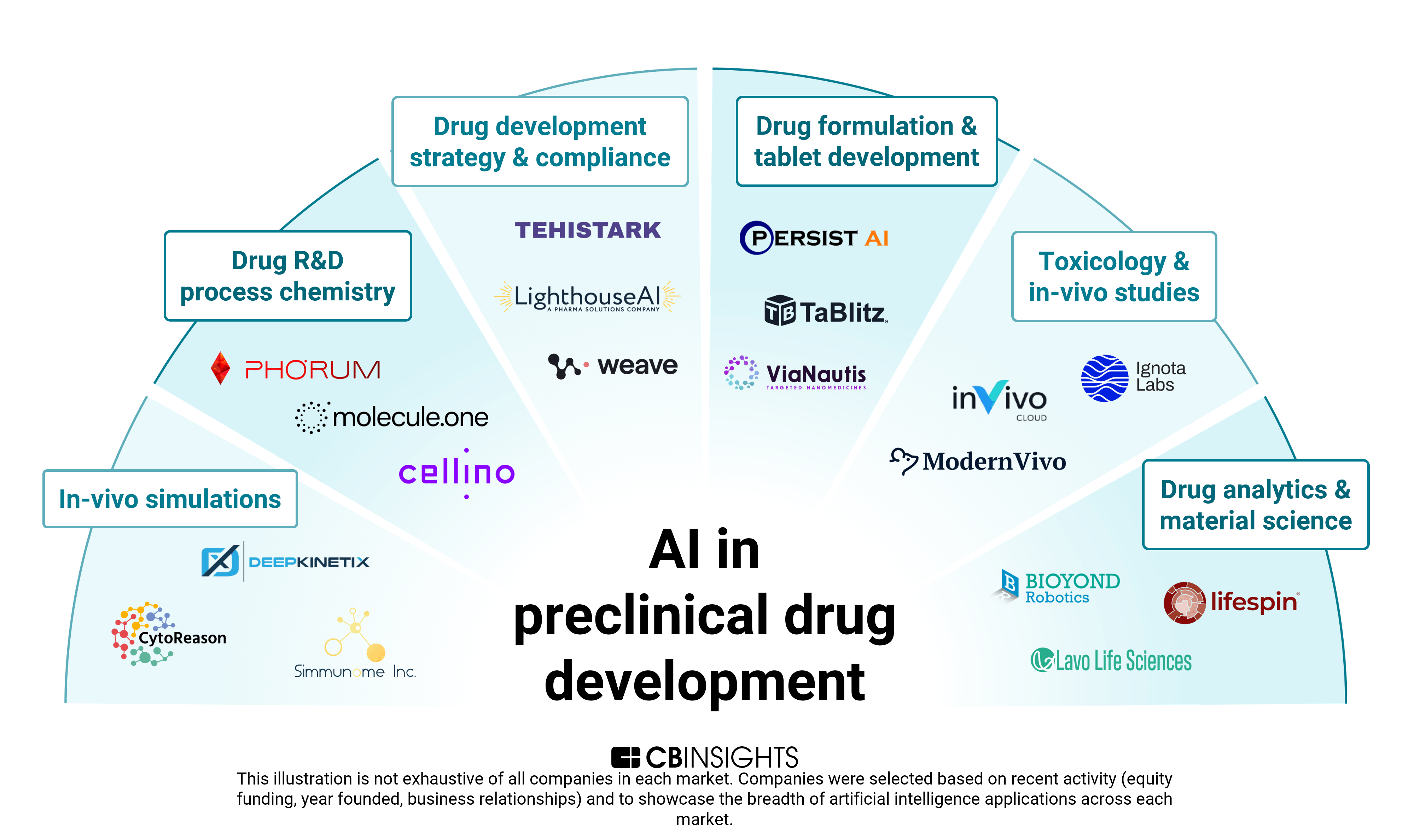
4. AI in Drug Discovery & Development
The traditional way to create medicine is slow and expensive. Modern AI applications in healthcare are changing this by searching chemical compounds faster. Pharmaceutical companies now cut their development timelines by 50% using smart algorithms. This helps life-saving drugs reach patients in record time.
In 2026, generative AI models are designing brand-new molecules. Systems like AlphaFold 3 predict how proteins and drugs interact with atomic accuracy. This allows scientists to skip years of manual lab work. Consequently, the success rate for new drugs has jumped from 40% to nearly 90%.
5. Clinical Decision Support Systems (CDSS)
Clinical Decision Support Systems act as a digital “safety net” for doctors. These AI tools analyze patient data in real-time to offer evidence-based suggestions. By following these smart alerts, hospitals reduce human errors and improve care quality.
One major use is in medical coding and hospital billing. AI tools read doctor’s notes and suggest correct codes with 97% accuracy. This ensures hospitals are funded correctly and insurance claims are processed smoothly. It keeps facilities organized while doctors focus on patient health.
6. Administrative & Operational Efficiency
Healthcare automation via AI is solving the industry’s burnout crisis. Healthcare workers currently spend 70% of their day on administrative paperwork. AI “Scribes” now listen to patient conversations and write medical notes automatically. This allows doctors to focus on the patient instead of a screen.
The impact on hospital staff is massive. Studies show these AI tools reduce doctor burnout by over 20%. In 2026, spending on these ambient AI tools has doubled. Some doctors report seeing an extra patient daily because paperwork no longer slows them down.
7. Patient Engagement & Virtual Care
Patient engagement is shifting toward a 24/7 “virtual-first” model. AI-powered chatbots and virtual nurses answer questions and schedule appointments instantly. This global market provides the immediate support that modern patients expect.
Beyond chats, AI powers remote monitoring through wearable devices. Smartwatches send heart rates or oxygen levels directly to doctors. If AI detects a dangerous change, it alerts the medical team immediately. This means patients recover safely at home instead of in a hospital bed.
Benefits of AI Applications in Healthcare: A Future of Precision
The adoption of AI in healthcare is not just about new gadgets; it is about fundamentally improving how we save lives. By 2026, the benefits of these technologies have moved from experimental labs to the front lines of patient care, offering three major advantages.
1. Improved Diagnostic Accuracy and Early Detection
AI acts as a super-powered magnifying glass for doctors. While a human radiologist might get tired after looking at hundreds of scans, AI remains perfectly sharp. For example, AI tools for lung cancer screening now outperform professionals by reducing missed cases by 5%.
In emergency rooms, AI can flag a life-threatening blood clot in seconds, reducing the rate of missed diagnoses from nearly 45% to just 2.6%. This means diseases are caught much earlier when they are still treatable.
2. Massive Cost Savings and Reduced Burnout
Healthcare is currently expensive and exhausting for workers, with staff spending 70% of their time on paperwork. AI is solving this by taking over half of these administrative tasks.
By automating medical coding with 97% accuracy and using AI scribes to write patient notes, the industry is saving up to $260 billion annually. More importantly, it is stopping “pajama time”, the hours doctors spend charting at night, allowing them to focus entirely on treating people.
3. Personalized Care and “Digital Twins”
We are moving away from “one-size-fits-all” medicine. AI now analyzes your unique DNA to predict how you will react to a specific drug, eliminating the dangerous trial-and-error process.
The most exciting future trend is the “Digital Twin.” This is a virtual copy of a patient where doctors can test a surgery or a new medication in a simulation first. If it works on the virtual twin, they can proceed with confidence on the real patient, making healthcare safer and more personal.
Challenges and Ethical Considerations in the AI Era
While AI brings incredible progress, it also introduces new risks that hospitals must manage carefully. Integrating “smart” systems into medicine requires more than just software; it requires trust, security, and constant human oversight.
1. Data Privacy and Cyber Security
AI systems are “hungry” for data, requiring millions of medical records to learn. This makes hospitals a massive target for hackers. Because your medical history cannot be changed like a credit card password, protecting this data is critical.
To solve this, experts are using “Federated Learning,” a method where the AI learns from the data inside the hospital walls without the information ever being sent into the cloud or shared elsewhere.
2. Solving Bias and Ensuring Fairness
A major risk is that AI can “inherit” human prejudices. For example, if a skin cancer AI is only trained on light skin tones, it might not work well for people with darker skin.
Similarly, some algorithms have accidentally given fewer resources to marginalized groups because they looked at historical spending instead of actual health needs. To fix this, developers are focused on “Explainable AI,” which forces the machine to show its work so doctors can check for unfairness.
3. The “Human-in-the-Loop” Integration
The biggest hurdle is the “AI Chasm”—the gap between a cool piece of tech and a working hospital. If an AI tool is hard to use or sends too many false alarms, doctors will simply turn it off.
Moving forward, the goal is a “human-in-the-loop” system. This means the AI does the heavy lifting of data analysis, but a human expert always makes the final call. This ensures that while technology provides the speed, humans provide the empathy and responsibility.
The Future of Healthcare is Intelligent
The rapid integration of AI applications in healthcare marks a shift toward a more precise, efficient, and patient-centric world. From saving lives through early diagnostics to reducing physician burnout, AI is no longer a futuristic concept. It is the backbone of modern medicine in 2026.
Ready to lead the digital revolution? At Varmeta, we specialize in outsourcing high-end AI and Blockchain solutions tailored to your needs. Whether you are building smart diagnostic tools or secure, decentralized health records, our team delivers world-class innovation.
[Contact Varmeta Today] to lead the healthcare revolution.
FAQs
1. What are the main AI applications in healthcare in 2026?
The top AI applications in healthcare include medical imaging and diagnostics, predictive analytics for early disease detection, drug discovery and development, personalized medicine, and administrative tasks such as automated clinical documentation and billing.
2. How accurate is AI in medical imaging and diagnostics?
AI in medical imaging often achieves accuracy rates of 95–99%, sometimes outperforming or matching human radiologists in specific tasks like detecting lung cancer, fractures, or strokes. For example, certain AI tools can identify issues up to 30% faster while reducing missed lesions. However, AI is typically used as a supportive tool alongside clinicians for final decisions.
3. Will AI replace doctors in healthcare?
No, AI will not replace doctors. Instead, it acts as a powerful assistant by handling repetitive tasks, analyzing large datasets, and providing decision support. Physicians still provide clinical judgment, empathy, and final responsibility for patient care. Most experts agree that AI augments human expertise rather than replacing it.
4. How much can AI save in healthcare costs?
AI applications in healthcare are projected to generate significant savings, estimates suggest up to $150 billion annually by 2026 in the U.S. alone, mainly through improved operational efficiency, reduced hospital readmissions, faster drug development, and lower administrative burdens. Predictive analytics and ambient documentation are among the fastest areas for ROI.
5. Is AI in healthcare safe and what about patient data privacy?
AI in healthcare is generally considered safe when properly regulated (e.g., FDA-cleared tools) and used with human oversight. However, key concerns include data privacy, algorithmic bias, and security. Reputable solutions comply with HIPAA and similar standards, use de-identified data for training, and incorporate safeguards. Always check for clinical validation, transparency, and regulatory approvals before implementation.