In today’s digital-first world, data has become one of the most valuable assets for businesses across all industries. From understanding customer behavior to optimizing operations, the ability to analyze data effectively is a cornerstone of success. However, the sheer volume and complexity of modern datasets often make it challenging to extract meaningful insights using traditional methods.
Enter AI agents, a revolutionary tool in the realm of data analysis. These intelligent, automated systems are designed to transform raw data into actionable insights by identifying trends, predicting future outcomes, and uncovering hidden problems. Unlike traditional analytics tools, AI agents offer comprehensive, real-time solutions that span across an entire organization, empowering businesses to make faster and smarter decisions.
The potential of AI agents is undeniable. Globally, the market for AI-powered bots and agents is projected to grow at a staggering compound annual growth rate (CAGR) of 43.88%, reaching an estimated value of USD 139.12 billion by 2033. This rapid growth underscores their transformative role in modern industries, positioning AI agents as the future of data-driven decision-making.
What are AI agents for data analysis?

AI agents for data analysis are intelligent, automated systems designed to process, interpret, and derive meaningful insights from vast and complex datasets. These agents leverage advanced technologies such as machine learning, natural language processing, and real-time analytics to go beyond traditional data tools, enabling businesses to unlock the full potential of their data.
Unlike conventional data analysis tools, which require manual setup, programming, and monitoring, AI agents operate autonomously. They can identify patterns, make predictions, and even detect anomalies in real-time without constant human intervention. Additionally, they learn and improve over time, refining their accuracy and adapting to new data trends through continuous machine learning processes.
Key differentiators:
- Automation: AI agents eliminate repetitive tasks like data sorting, cleaning, and formatting, freeing up human resources for more strategic work.
- Real-time processing: Traditional tools often analyze data retrospectively, while AI agents deliver insights in real time, enabling faster decision-making.
- Adaptability: AI agents continuously learn and evolve, unlike static tools that require frequent manual updates to stay relevant.
- Advanced functionality: Features like predictive modeling, sentiment analysis, and anomaly detection are built into AI agents, far surpassing the capabilities of legacy tools.
Examples in action:
- Predictive models: AI agents can forecast sales trends, customer behavior, or market demand by analyzing historical data and recognizing patterns.
- Automation: Automating data collection, processing, and reporting to provide up-to-date dashboards for business leaders.
- Real-time analytics: Monitoring live customer interactions or operational workflows to detect inefficiencies, flag potential issues, or identify opportunities for optimization.
How do AI agents for data analysis work?

AI agents designed for data analysis are advanced systems capable of processing and interpreting massive amounts of information with precision and speed. These agents function through a series of interconnected modules, each playing a critical role in transforming raw data into actionable insights. Here’s how they work:
1. The agent core: The brain of the operation
At the heart of the AI agent lies the core module, which acts as the command center for all analytical tasks. It ensures smooth operation and coordination throughout the process:
Goal setting: The agent defines clear objectives, such as “Analyze customer churn trends over the past year” or “Identify patterns in quarterly sales growth.”
Tool coordination: It integrates and deploys the necessary tools, such as SQL queries, visualization software, or machine learning models, to execute the tasks effectively.
Strategic memory usage: The agent draws upon past analyses, applying historical insights to enhance its current tasks.
Role Adaptation: It operates like an experienced data analyst, employing precise methodologies and context-specific language to achieve results.
2. The planning module: Breaking down complex tasks
AI agents simplify large-scale, intricate projects by dividing them into manageable steps:
Task decomposition: For example, analyzing the success of a marketing campaign might involve:
- Gathering pre- and post-campaign sales data.
- Tracking changes in customer acquisition rates.
- Measuring revenue growth.
- Evaluating social media engagement metrics.
Dynamic adjustment: The planning module adapts as needed, refining its approach to ensure all relevant factors like seasonal trends or market conditions, are accounted for.
3. Agent memory: Retrieval-Augmented Generation (RAG)
Memory plays a crucial role in the effectiveness of AI agents, enabling them to perform deeper and more contextual analysis. This system uses three levels of memory:
Short-term memory: Stores recent data points and calculations relevant to ongoing analysis.
Long-term memory: Retains critical data, such as commonly used methods, past project outcomes, and foundational knowledge.
Hybrid memory: Combines real-time data with historical insights, ensuring a holistic understanding of the task at hand. This approach enhances decision-making by providing richer context to the analysis.
4. Data analysis tools: The agent’s toolkit
AI agents rely on an extensive set of tools to carry out their analyses, including:
Data query generators (e.g., SQL, Pandas): Extract key data from structured databases efficiently.
Statistical calculators: Perform advanced computations like regression analysis, averages, and probability modeling.
Visualization tools: Convert raw data into actionable visual insights, such as bar charts, trend lines, and scatter plots.
RAG systems: Retrieve contextual information, like benchmarks or historical reports, to enrich the analysis.
SERP APIs: Pull relevant external data from search engines to provide additional context or comparisons.
5. Data sources: Structured and unstructured databases
To execute comprehensive analyses, AI agents access both structured and unstructured datasets:
Structured databases: These organized systems contain clear, easy-to-query data, such as customer profiles, sales figures, and financial records.
Unstructured databases: These hold less-organized data, including social media posts, customer reviews, call logs, and multimedia content. By combining insights from both sources, AI agents generate a well-rounded analysis.
Through these interconnected systems and tools, AI agents transform raw data into meaningful insights, automating processes that traditionally required human expertise. Their ability to define goals, plan effectively, utilize memory, and access a variety of data sources makes them indispensable in the modern data-driven landscape. This comprehensive approach enables businesses to uncover trends, predict outcomes, and make smarter decisions faster than ever before.
Use cases of AI agents across industries
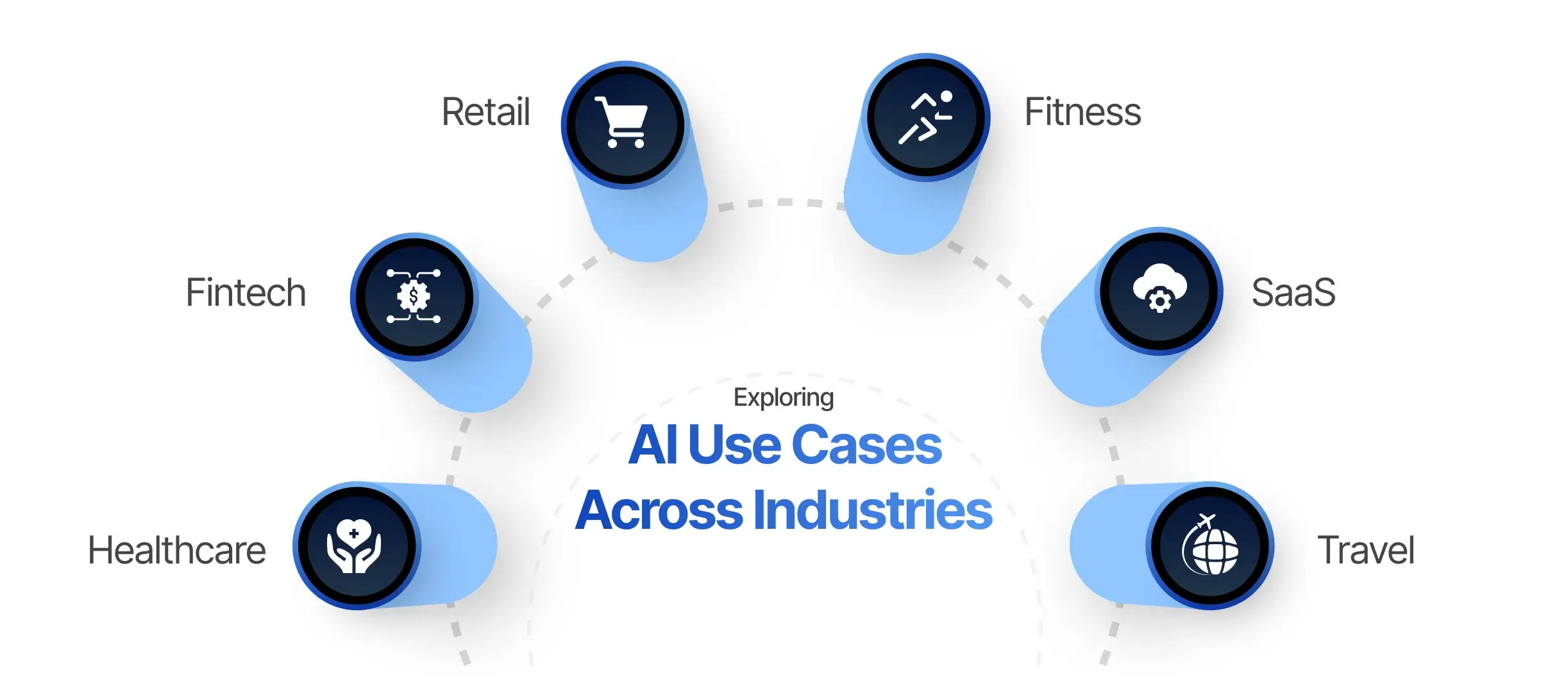
AI agents have proven to be versatile tools, revolutionizing operations across various industries by automating processes, uncovering insights, and driving smarter decision-making.
1. Healthcare
AI agents play a pivotal role in transforming healthcare by analyzing vast amounts of patient data and providing predictive insights:
- Patient data analysis: AI agents quickly process and interpret complex datasets, such as medical histories and lab results, enabling more accurate diagnoses.
- Predictive diagnostics: By identifying patterns in patient data, AI agents can predict potential health risks, such as the likelihood of chronic diseases, allowing for earlier intervention and personalized treatment plans.
2. Finance
In the finance sector, where accuracy and security are paramount, AI agents are essential for managing risks and ensuring regulatory compliance:
- Fraud detection: AI agents analyze transaction data in real-time to detect suspicious activities and flag potential fraud, reducing financial losses and enhancing security.
- Risk assessment: By evaluating market trends and historical data, AI agents help financial institutions assess investment risks and make informed decisions, improving portfolio performance.
3. Retail
Retail businesses are harnessing AI agents to optimize operations and enhance customer satisfaction:
- Personalized customer experiences: AI agents analyze consumer behavior and preferences to offer tailored recommendations, improving customer engagement and loyalty.
- Inventory management: By predicting demand trends and analyzing sales data, AI agents help retailers optimize inventory levels, reducing waste and ensuring product availability.
4. Marketing
AI agents are reshaping the marketing landscape by providing actionable insights that drive better campaigns and higher returns:
- Identifying consumer trends: AI agents sift through social media data, customer feedback, and purchasing patterns to identify emerging trends and preferences.
- Campaign optimization: By analyzing performance metrics, AI agents refine marketing strategies in real-time, ensuring maximum ROI and audience engagement.
5. Manufacturing
In manufacturing, AI agents are driving operational efficiency and reducing downtime:
- Improving operational efficiency: AI agents monitor production processes, identify bottlenecks, and suggest workflow improvements to maximize output.
- Predictive maintenance: By analyzing equipment data, AI agents can predict when machinery is likely to fail, allowing manufacturers to perform timely maintenance and minimize disruptions.
Across industries, AI agents are proving to be invaluable, driving efficiency, enhancing customer experiences, and uncovering new growth opportunities. Their ability to process large volumes of data, predict trends, and adapt to specific industry needs positions them as a cornerstone of innovation in the modern business landscape.
Benefits of using AI agents for data analysis
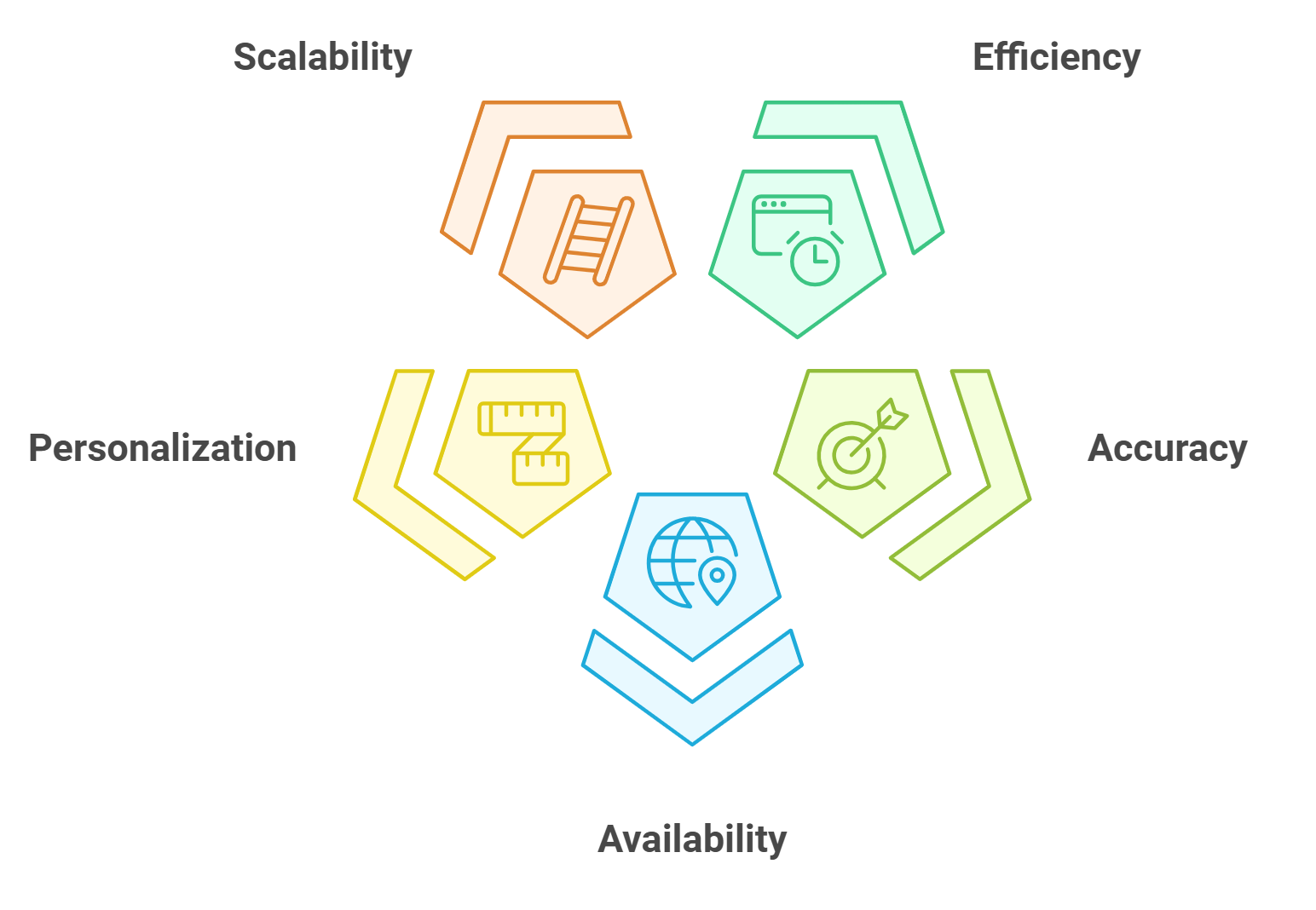
AI agents are revolutionizing the way businesses approach data analysis by improving efficiency, accuracy, and decision-making processes. Let’s explore the transformative benefits they bring, particularly for organizations seeking to optimize their data strategies.
1. Enhanced accuracy and precision
AI agents excel at processing massive datasets with unparalleled precision. By leveraging advanced algorithms, they minimize human errors in data handling, ensuring accurate and reliable results. This precision allows organizations to make informed, data-driven decisions that enhance performance and reduce costly mistakes.
2. Speed and efficiency
AI agents analyze large volumes of data much faster than humans ever could. This ability to process and interpret data in real time empowers industries such as finance, healthcare, and retail to respond swiftly to changes, make timely decisions, and capitalize on emerging opportunities.
3. Cost optimization
By automating repetitive and time-consuming tasks, AI agents significantly reduce labor costs and resource waste. They streamline operations, allowing businesses to allocate resources more effectively. Moreover, their predictive capabilities enable companies to develop proactive strategies, improving overall cost efficiency.
4. Personalized customer experiences
AI agents play a pivotal role in enhancing customer satisfaction by personalizing interactions. They analyze customer behavior, preferences, and purchasing patterns to tailor products, services, and marketing efforts. This level of customization increases engagement, builds loyalty, and improves overall customer experience.
5. Proactive risk management
AI agents are highly effective in identifying potential risks and mitigating them before they escalate. They analyze data to detect anomalies, assess operational risks, and predict potential threats. In real-time scenarios, such as fraud detection, they help safeguard businesses from financial losses and operational disruptions.
6. Improved data security
With data privacy and compliance becoming increasingly critical, AI agents serve as a safeguard for sensitive information. They monitor for unusual patterns or breaches, ensuring that data is handled according to industry standards. This proactive approach not only reduces the risk of penalties but also builds trust with stakeholders by ensuring data integrity.
AI agents are transforming the data analysis landscape by combining speed, accuracy, and intelligent decision-making. From optimizing costs to personalizing customer experiences and mitigating risks, these intelligent solutions are helping organizations across industries unlock the true potential of their data. As businesses continue to embrace AI-driven processes, the benefits will only grow, paving the way for smarter, more efficient operations.
Challenges and limitations of using AI agents
While AI agents offer immense potential in data analysis, they also come with their own set of challenges and limitations. Understanding these hurdles is crucial for businesses to make informed decisions about adopting this technology.
1. Data privacy and security concerns
AI agents rely on accessing and processing vast amounts of data, which raises significant concerns around privacy and security. Protecting sensitive information, ensuring compliance with data protection laws (like GDPR or CCPA), and preventing breaches are critical challenges. Organizations must implement robust security protocols and maintain transparency in how data is used to build trust with customers and stakeholders.
2. High initial setup and integration costs
Implementing AI agents often requires a substantial upfront investment. From acquiring advanced software and hardware to hiring skilled personnel for development and deployment, the costs can add up quickly. Additionally, integrating AI solutions into existing systems can be time-consuming and complex, requiring businesses to carefully assess the long-term value against these initial expenses.
3. Dependence high-quality data
The effectiveness of AI agents heavily depends on the quality of the data they analyze. Inaccurate, incomplete, or biased datasets can lead to flawed insights and unreliable decision-making. Businesses must invest in data cleaning, organization, and validation processes to ensure the AI agents deliver meaningful and accurate results.
4. Ethical considerations in automation
Automating decision-making processes with AI agents raises important ethical questions. How should accountability be assigned if they make incorrect or harmful decisions? What biases might be inadvertently embedded in the AI’s algorithms? Organizations must consider these ethical implications, establish clear guidelines, and maintain human oversight to ensure AI-driven processes remain fair, transparent, and aligned with their values.
While AI agents are powerful tools for transforming data analysis, these challenges highlight the importance of careful planning and implementation. Addressing concerns around privacy, costs, data quality, and ethics will help businesses unlock the full potential of AI agents while minimizing risks and ensuring responsible use.
Conclusion
AI agents are revolutionizing the way businesses approach data analysis, transforming vast datasets into actionable insights with speed, accuracy, and intelligence. As the demand for data-driven decision-making grows, these automated systems provide a significant edge, enabling organizations to uncover trends, predict outcomes, and optimize processes across industries.
From healthcare and finance to retail and manufacturing, AI agents are proving to be invaluable tools for enhancing efficiency, personalizing customer experiences, and managing risks. Their ability to process data in real-time, automate repetitive tasks, and adapt to evolving challenges positions them as a cornerstone of innovation in today’s competitive landscape.
While challenges such as data privacy concerns, integration costs, and ethical considerations remain, these hurdles are opportunities for businesses to adopt robust strategies and frameworks to ensure responsible implementation. With global investment in AI agents projected to skyrocket, their role in shaping the future of data analysis is undeniable.
As organizations continue to harness the power of AI agents, the potential for smarter, faster, and more informed decision-making will only grow. Embracing these intelligent systems is no longer optional, it’s a necessity for those looking to thrive in a data-driven world.