The field of artificial intelligence (AI) is on the brink of significant transformation, as highlighted by insights from Ilya Sustekever and recent developments in the industry. This article explores the challenges faced by leading AI companies, including OpenAI, and discusses the potential future directions for AI technology.
The Current State of AI: Achievements and Limitations
The past decade has seen AI dominate fields like natural language processing (NLP), computer vision, and decision-making systems. Large-scale models such as OpenAI’s GPT series, Google’s PaLM, and other deep learning architectures have demonstrated the ability to generate human-like text, create photorealistic images, and even excel in creative tasks like music composition.
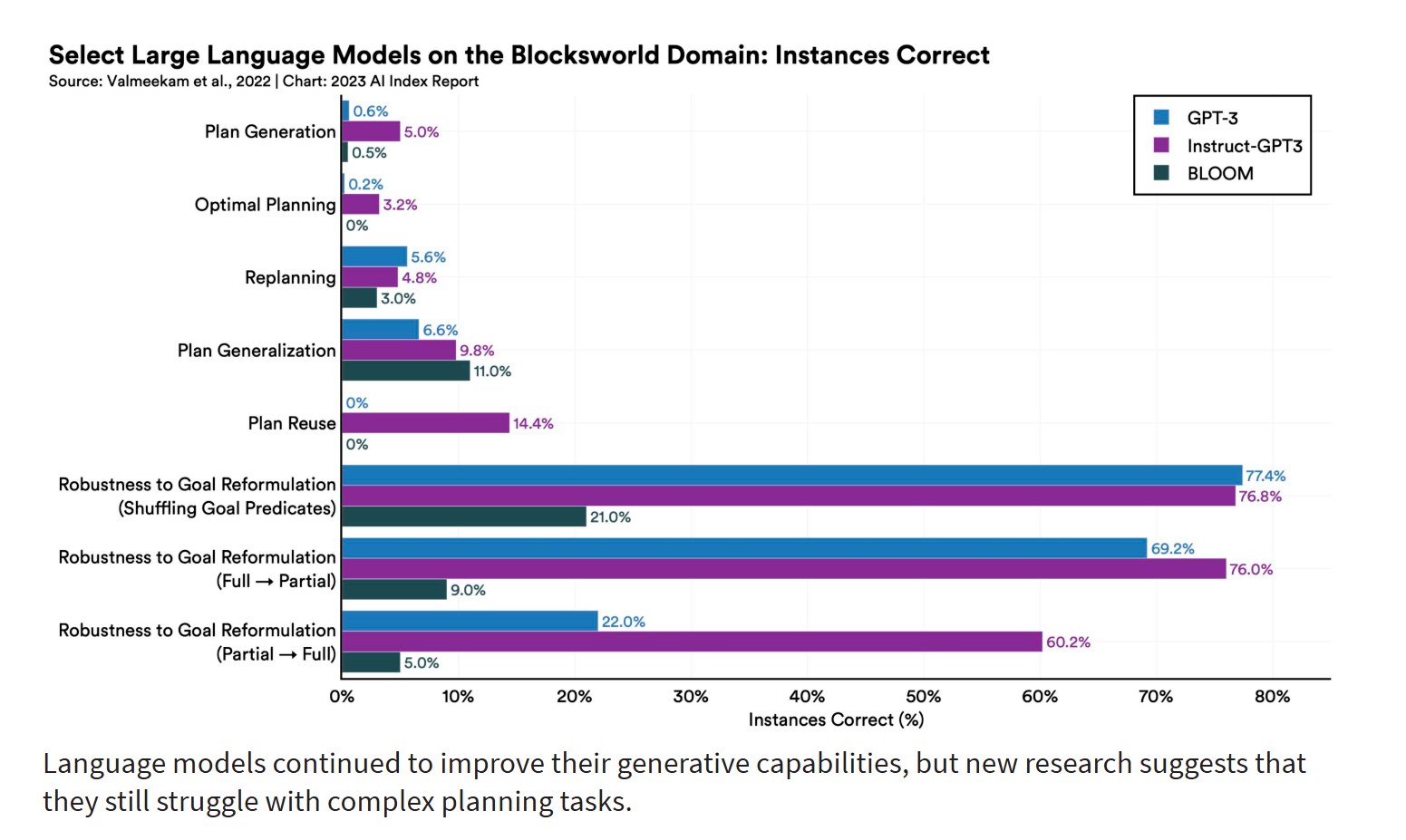
However, as powerful as these systems are, they come with significant challenges:
1. Scaling Challenges
AI systems like GPT-4 have achieved success through scaling—training larger models with vast amounts of data and computational resources. But this approach is unsustainable. Training massive models requires immense energy and financial investment, raising concerns about environmental impact and resource efficiency.
2. Limited Generalization
Despite their power, many AI systems struggle with tasks outside their training data. They often fail to generalize knowledge in the same way humans can, leading to poor performance in unstructured or novel scenarios.
3. Data Dependency
Modern AI heavily depends on massive datasets, often sourced from the internet. This raises ethical and practical concerns, including issues of bias, copyright infringement, and data privacy. Sustekever has highlighted the importance of moving beyond this data-dependent paradigm.
Insights from Ilya Sustekever: Paving a New Path for AI
In recent discussions, Sustekever laid out a vision for the future of AI that addresses these challenges. Below are the key takeaways:
1. Rethinking Architectures
Current AI models rely on deep neural networks, which excel in specific tasks but falter when faced with tasks requiring reasoning, abstraction, or adaptability. Sustekever believes that the future lies in developing new architectures inspired by human cognition. These architectures would enable models to process information more efficiently and adapt to a wider range of tasks without requiring exponential scaling.
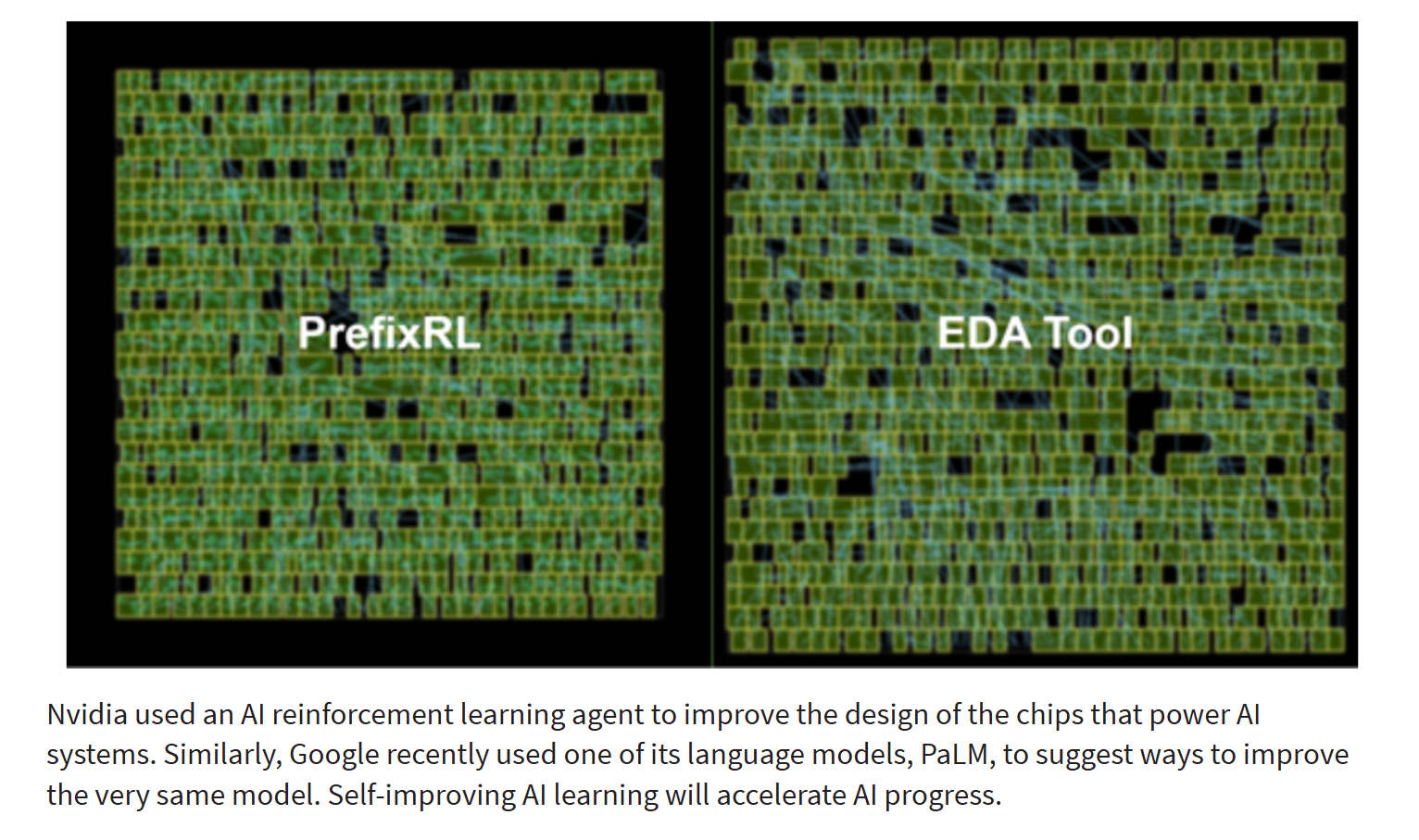
Instead of simply making models larger, the focus should be on smarter, more efficient designs. This might involve hybrid approaches that combine symbolic reasoning with neural networks or integrating memory systems that allow models to retain and apply knowledge over time.
2. Advancing Self-Supervised Learning
AI training today often relies on supervised learning, which requires labeled datasets. Sustekever advocates for self-supervised learning, where models learn to make sense of data without explicit labels. This approach mimics how humans learn—by observing patterns and drawing conclusions independently.

Self-supervised learning not only reduces the need for labeled data but also enhances models’ ability to generalize. Sustekever suggests that this shift could enable AI systems to learn from smaller, more diverse datasets, making them more adaptable and resource-efficient.
3. Multi-Modal AI: The Next Frontier
The future of AI isn’t limited to text or images—it’s about integrating multiple modalities. Multi-modal models, capable of processing and understanding diverse data types such as text, images, and video simultaneously, represent a major leap forward.
Sustekever believes multi-modal AI will unlock new possibilities in applications like advanced robotics, autonomous vehicles, and virtual assistants. Imagine an AI that can analyze medical imaging, patient records, and genetic data simultaneously to provide holistic diagnoses or a system that can seamlessly translate video content across languages and cultures in real time.
4. Prioritizing Ethics and Safety
As AI becomes increasingly powerful, the risks associated with misuse, bias, and unintended consequences grow. Sustekever has repeatedly stressed the importance of developing safe and ethical AI systems. This includes creating robust safeguards to ensure AI models are used responsibly and integrating fairness and transparency into their design.
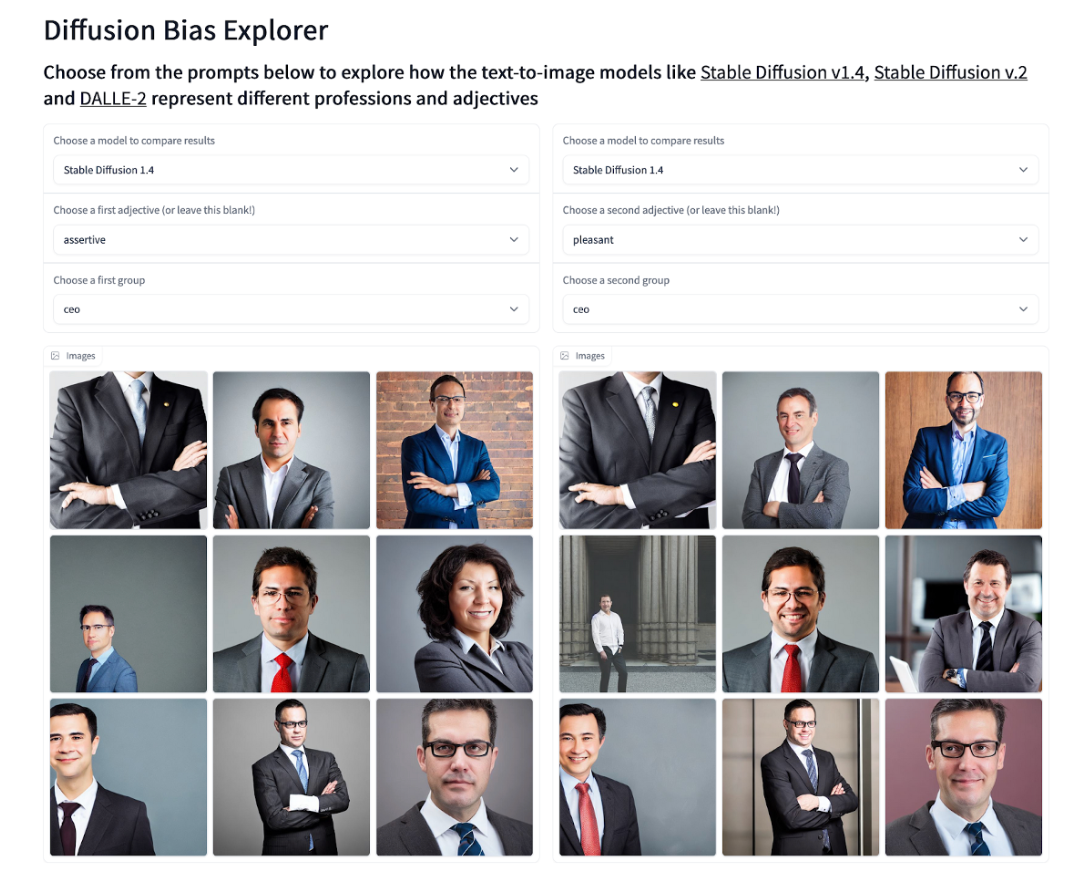
OpenAI, under Sustekever’s guidance, has been at the forefront of these efforts, advocating for open research, collaboration, and global standards for AI safety.
Challenges and Competitors: A Collaborative Future?
As Reuters recently reported, OpenAI’s rivals, including Anthropic, DeepMind, and others, are also exploring alternative approaches to smarter AI. These organizations are investing in innovative technologies such as neuromorphic computing, which mimics the human brain, and evolutionary algorithms, which simulate natural selection to optimize AI systems.
Despite the competition, there is growing recognition that collaboration is essential to overcoming the field’s challenges. OpenAI, for example, has partnered with academic institutions and industry players to advance open research and promote shared standards. Sustekever believes that this collaborative approach is key to accelerating innovation while ensuring ethical and sustainable development.
Read more: 5 Key Takeaways From The state of AI in early 2024 Report
Future Trends in AI Development
The insights from Ilya Sustekever point towards several key trends shaping the future of AI:
1. Customizable AI Solutions
As businesses increasingly recognize the value of AI, there is a growing demand for customizable solutions tailored to specific needs. Off-the-shelf models may not always meet the unique requirements of different industries or applications. Therefore, companies are seeking ways to develop bespoke AI solutions that enhance personalization while maintaining data privacy.
For instance, in healthcare, organizations may require AI systems capable of analyzing patient data to provide personalized treatment recommendations. In finance, institutions might seek tailored algorithms for fraud detection or risk assessment. This trend towards customization will drive innovation and create new opportunities for AI developers.
2. Enhanced Collaboration Between Humans and AI
The future will likely see an increase in collaborative efforts between humans and AI systems. Rather than viewing AI as a replacement for human intelligence, organizations will leverage these technologies as tools to augment human capabilities. This collaborative approach can lead to improved decision-making processes and enhanced productivity across various sectors.
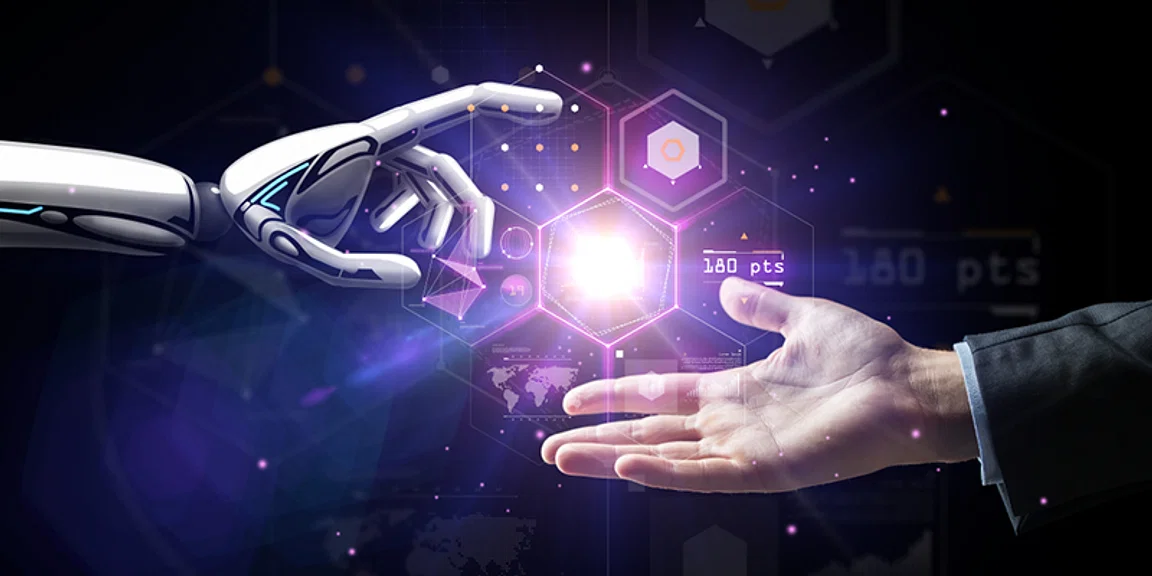
For example, in creative industries such as design or content creation, AI can assist professionals by generating ideas or providing suggestions based on existing work. This synergy between human creativity and machine intelligence can result in innovative outcomes that neither could achieve alone.
3. Ethical Considerations and Regulation
As AI technologies become more powerful and pervasive, ethical considerations will be paramount. The potential for bias in algorithms, privacy concerns regarding data usage, and the implications of autonomous decision-making are just a few issues that need careful attention.
Sustekever highlights the necessity for robust regulatory frameworks to address these challenges effectively. Policymakers must work closely with technologists to establish guidelines that promote responsible use while fostering innovation. Public discourse around ethics in AI will play a vital role in shaping these regulations.
Conclusion
The insights from Ilya Sustekever highlight a pivotal moment in AI development. As traditional scaling methods face limitations, the industry is poised for a shift towards innovative approaches that emphasize reasoning and problem-solving capabilities. With the potential rise of superintelligence on the horizon, navigating these changes will be crucial for ensuring that AI technologies benefit society as a whole.
In summary, understanding these trends and their implications will be essential for businesses and individuals looking to thrive in an increasingly AI-driven world. The future promises not only advancements in technology but also profound changes in how we interact with intelligent systems.